Τέλος του έτους- Αρχή νέου…
Μια πόλη- Ένα σύμβολο
In Warsaw…A city- symbol, a phoenix, Al Capone’s hiding spot, a man of steel and other stories…
A long time ago, the fisherman Wars and his wife Sawa lived in a small hut on the River Vistula. One day, they offered shelter to prince Ziemomysł who had lost his way and stumbled upon their home. In gratitude to the couple for saving his life, the prince decided that the land would remain Wars and Sawa’s for all eternity. This is how Warsawwas born and named, according to legend.
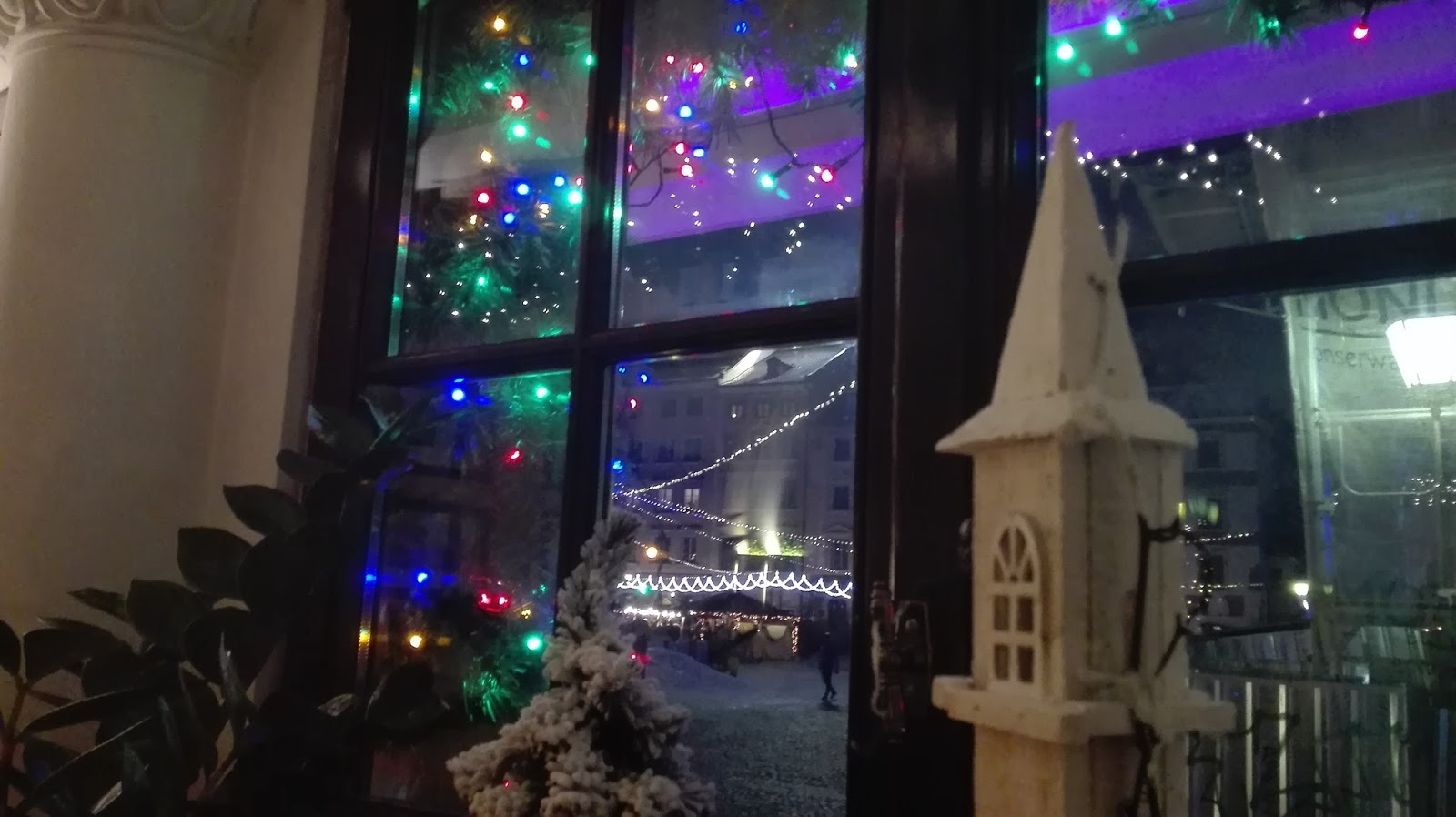
Όχι άδικα η Βαρσοβία συνδέεται με τοι φοίνικα, καθώς έχει γνωρίσει και επιβιώσει από τη βαρβαρότητα και την ολοσχερή καταστροφή.
περιδιαβαίνεις τους δρόμους της πόλης και νιώθεις το βάρος της ιστορίας της. Συνάμα συνειδητοποιείς με δέος αυτό που η φύση μας διδάσκει: και η ζωή συνεχίζεται πάραυτα…με τον ίδιο τρόπο που βλαστάρια ξεπετάγονται μέσα από τα αποκαϊδια…τα βλέπεις και αναφωνείς «ζωή»
περιδιαβαίνεις τους δρόμους της πόλης και νιώθεις το βάρος της ιστορίας της. Συνάμα συνειδητοποιείς με δέος αυτό που η φύση μας διδάσκει: και η ζωή συνεχίζεται πάραυτα…με τον ίδιο τρόπο που βλαστάρια ξεπετάγονται μέσα από τα αποκαϊδια…τα βλέπεις και αναφωνείς «ζωή»
 |
| last night of 2016 |
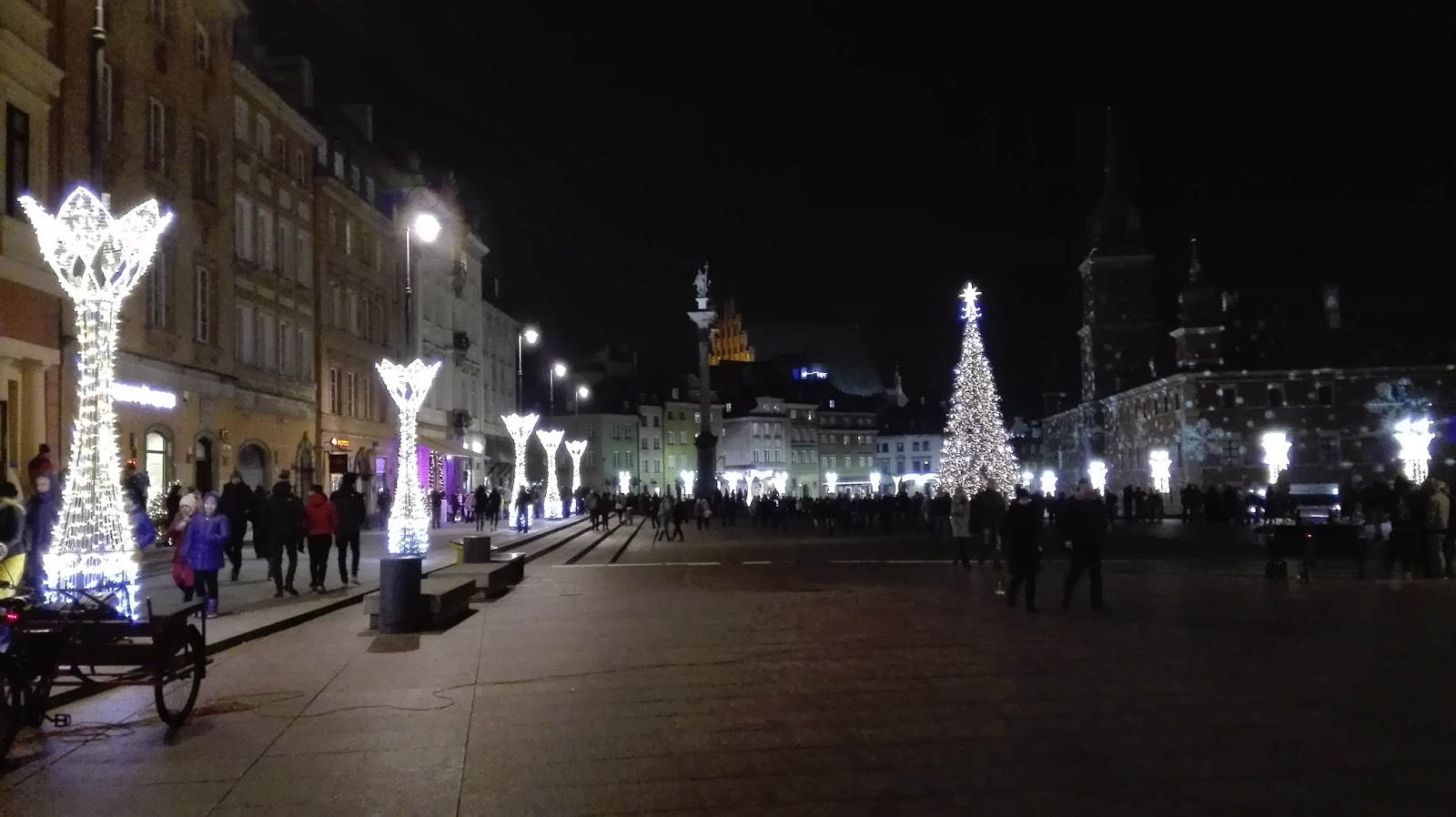
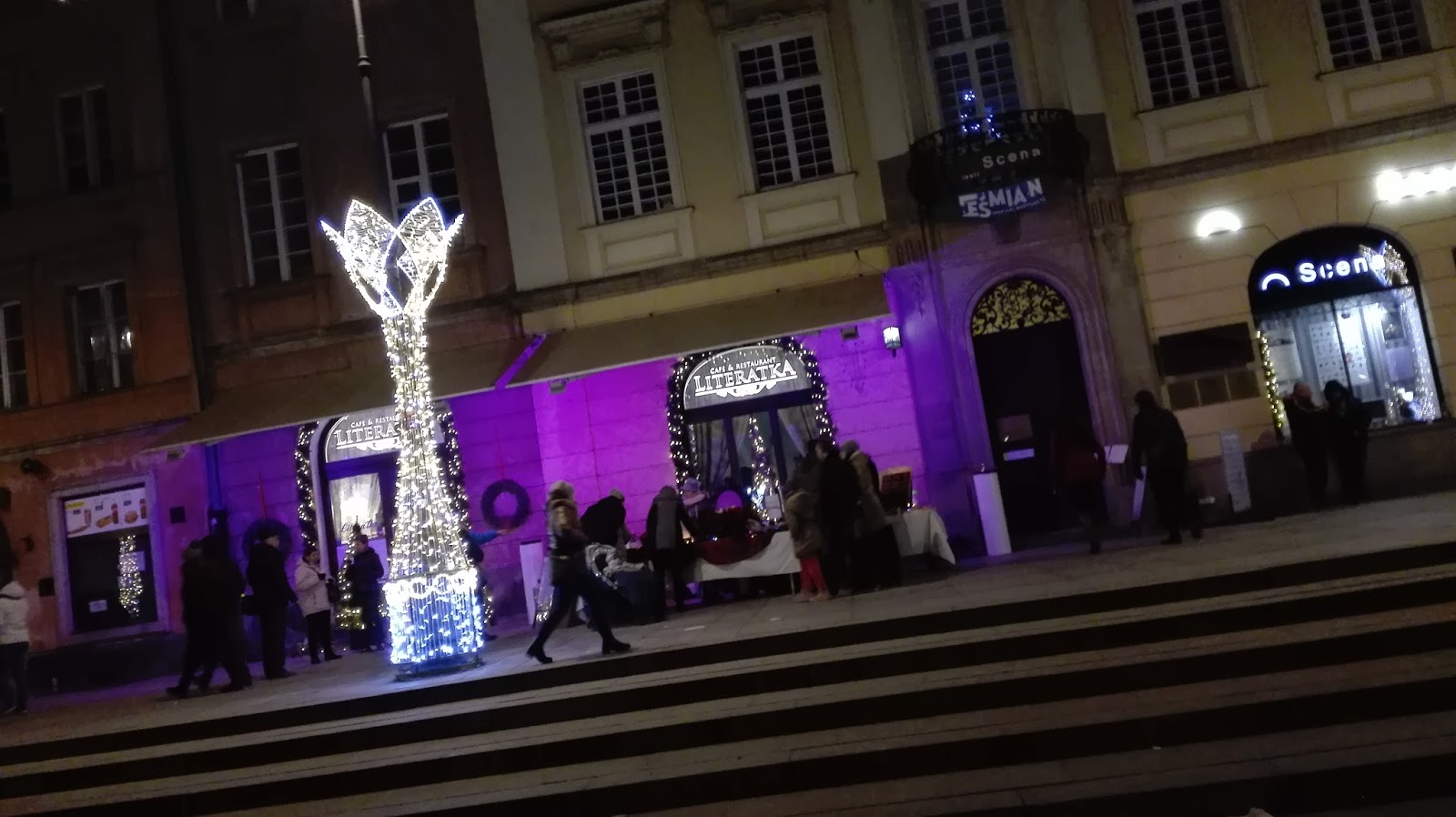

who The same feeling is activated walking aroung this city, the continuity of life, and life in Warsaw goes on slowly, silently, steadily, modestly, subtly…you think that the city tiptoes for fear of awakening the beast…and the city has lived through many. Next to the continuity of life there is also man’s oblivion. Can a Pole ‘forget’ and overcome the trauma?
whoΕίναι και αυτό το κτήριο του Στάλιν, το ανάκτορο του Πολιτισμού και της Επιστήμης. Δώρο του Στάλιν στο λαό της Πολωνίας. Στέκει αγέρωχο,κτήριο αίσθησης ‘ατσαλένιας’ σαν το δωρητή του, τον Στάλιν, τον άνθρωπο από ατσάλι. Το θωρείς με δέος. Και αυτό εκεί, στέκεται εμβληματικά για να θυμίζει τον πατριό, αυτόν που έδινε, τι έδινε και με τι κόστος κάθε φορά…
who Όχι, δεν μπορεί να ξεχάσει ο Πολωνός. Τι μένει? Τι νόημα θα δώσει στο ήδη βιωμένο παρελθόν… Στο μεταξύ, η Βαρσοβία περπατά σεμνά, σκυφτά, χωρίς να φλυαρεί, δίχως να κομπάζει, και προχωρά…

who And there stands the Warsaw’s Palace of Culture and Sciences, the most symbolic landmark in Warsaw. This symbol of the past has been turned into one of the largest attractions of today’s Warsaw. The palace is a gift from the Soviet Union to the people of Poland, known also as Stalin’s building, Stalin’s gift. Imposing, like it or not you gaze in awe, a building of ‘steel’ from a ‘man of steel’ ,Stalin. It stands over there intentionally and emphatically reminding the ‘stepfather’ ,the one who ‘donated’, what he donated and the cost of it…No, a Pole cannot forget. What he could possible do is give a meaning to his past experience…In the meantime, Warsaw steps forward without boasting, without babbling, focused ahead humbly, steadily…
 |
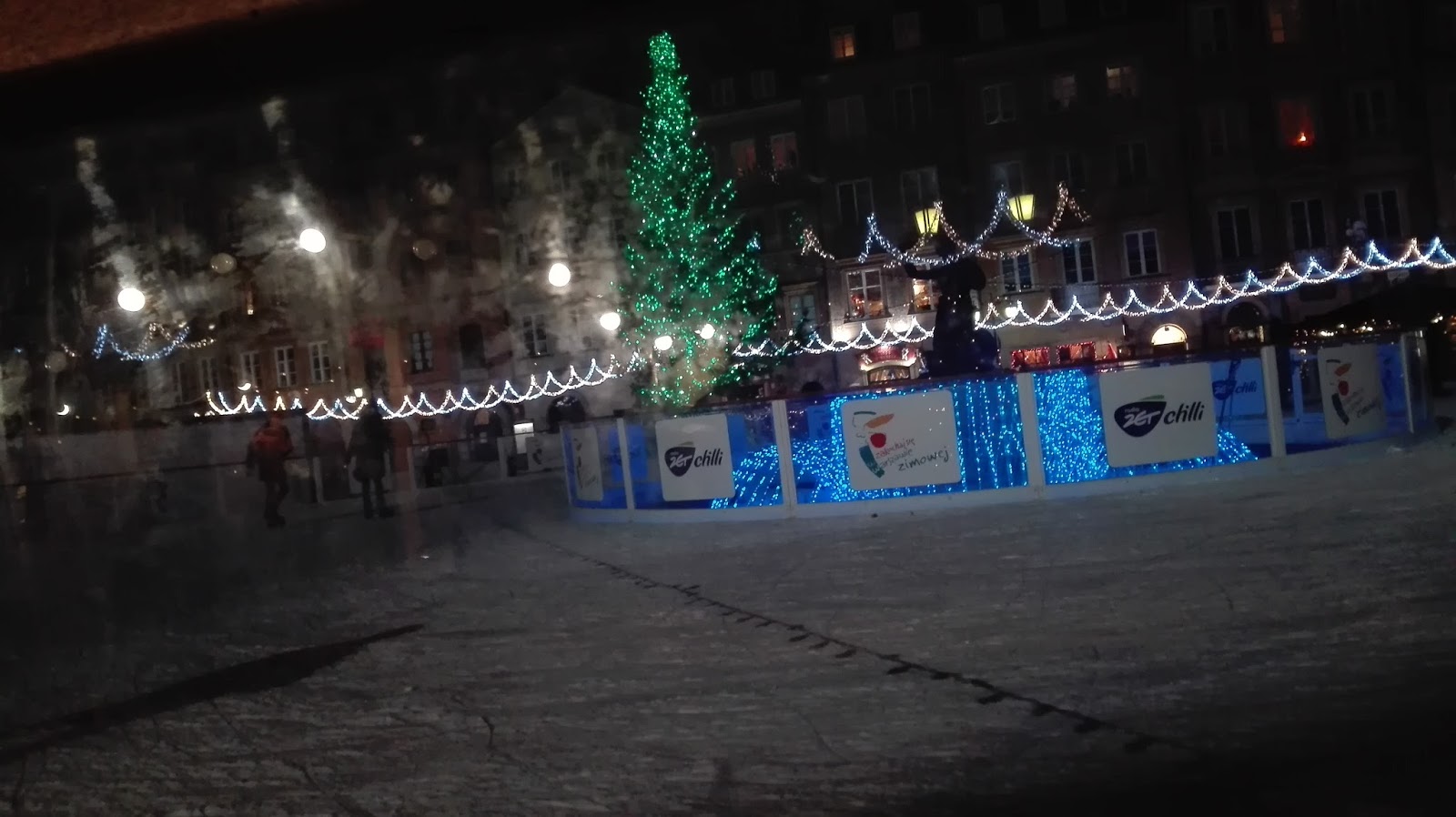
| NYE on ice |
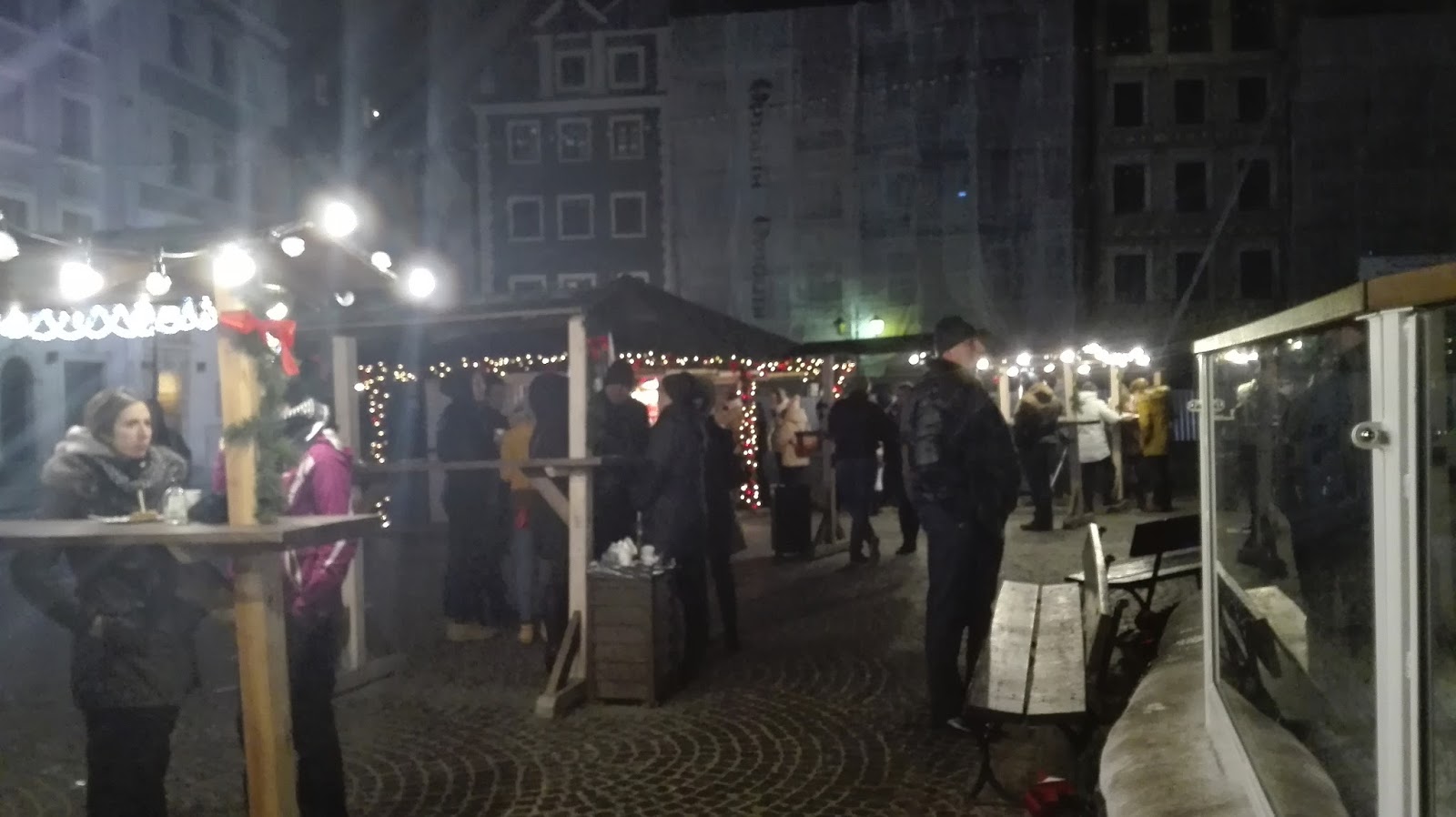 |
| hot wine anyone? |
First Day of the 2017
Breakfast at….»Momu’s»
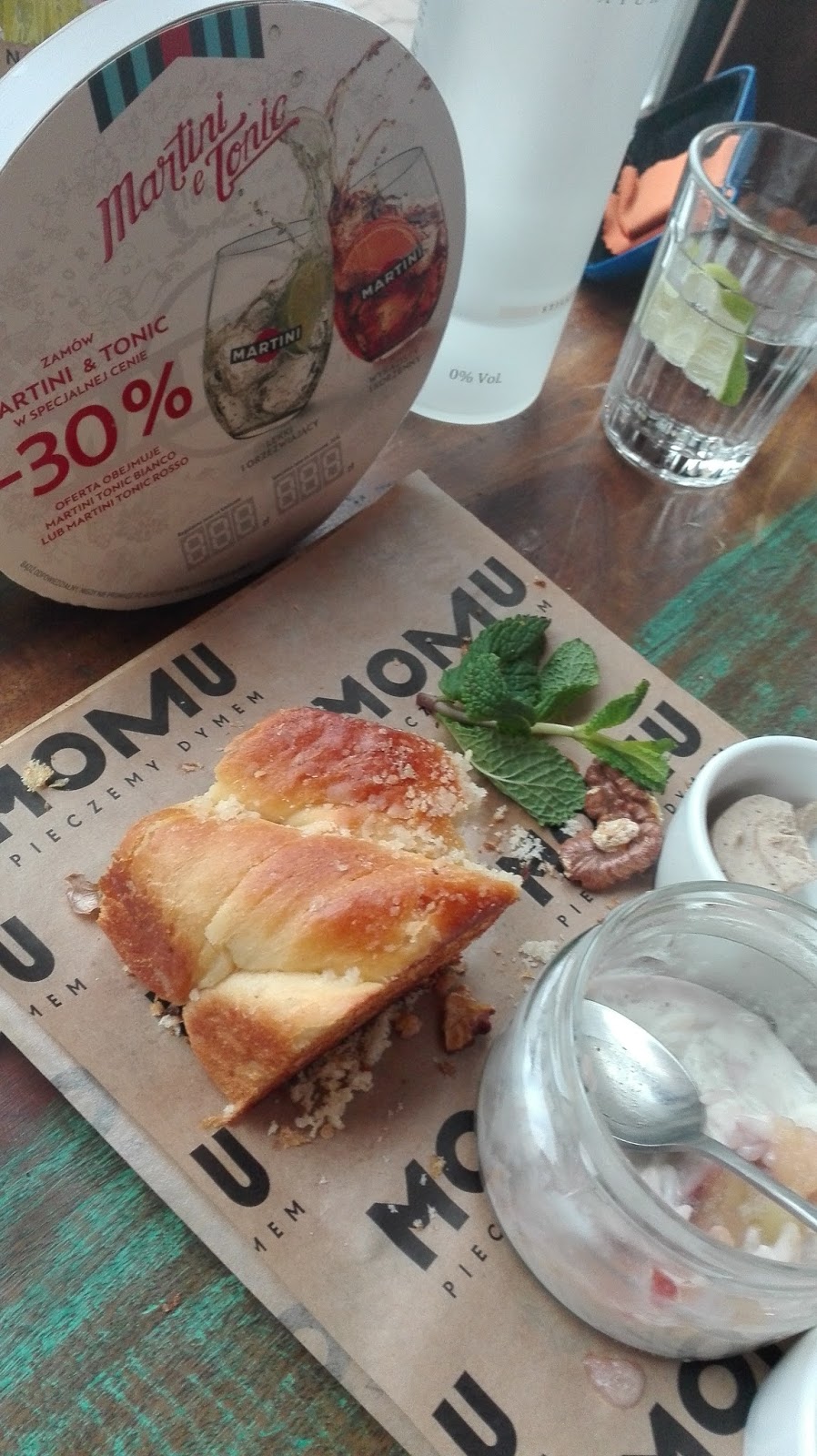
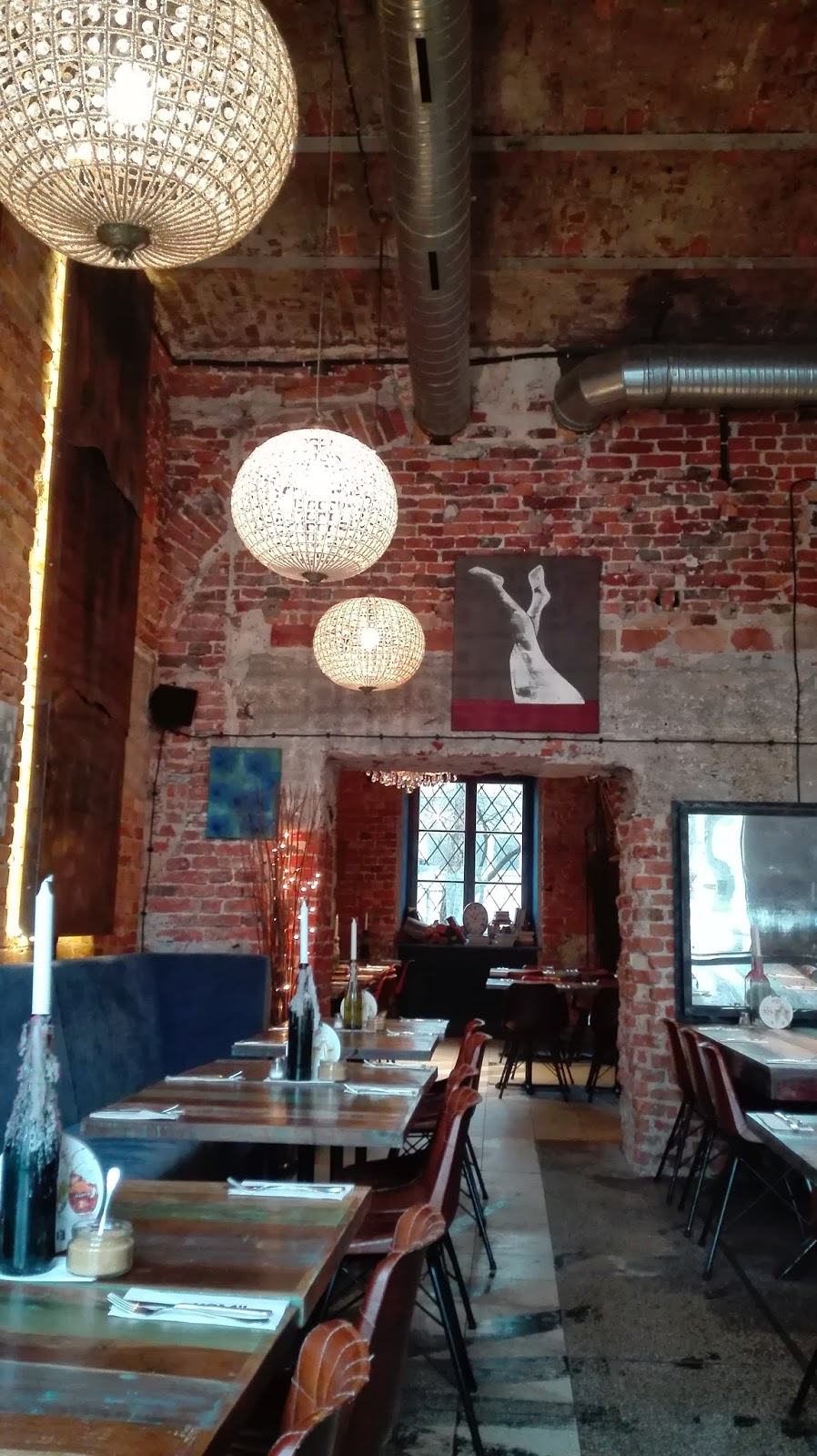
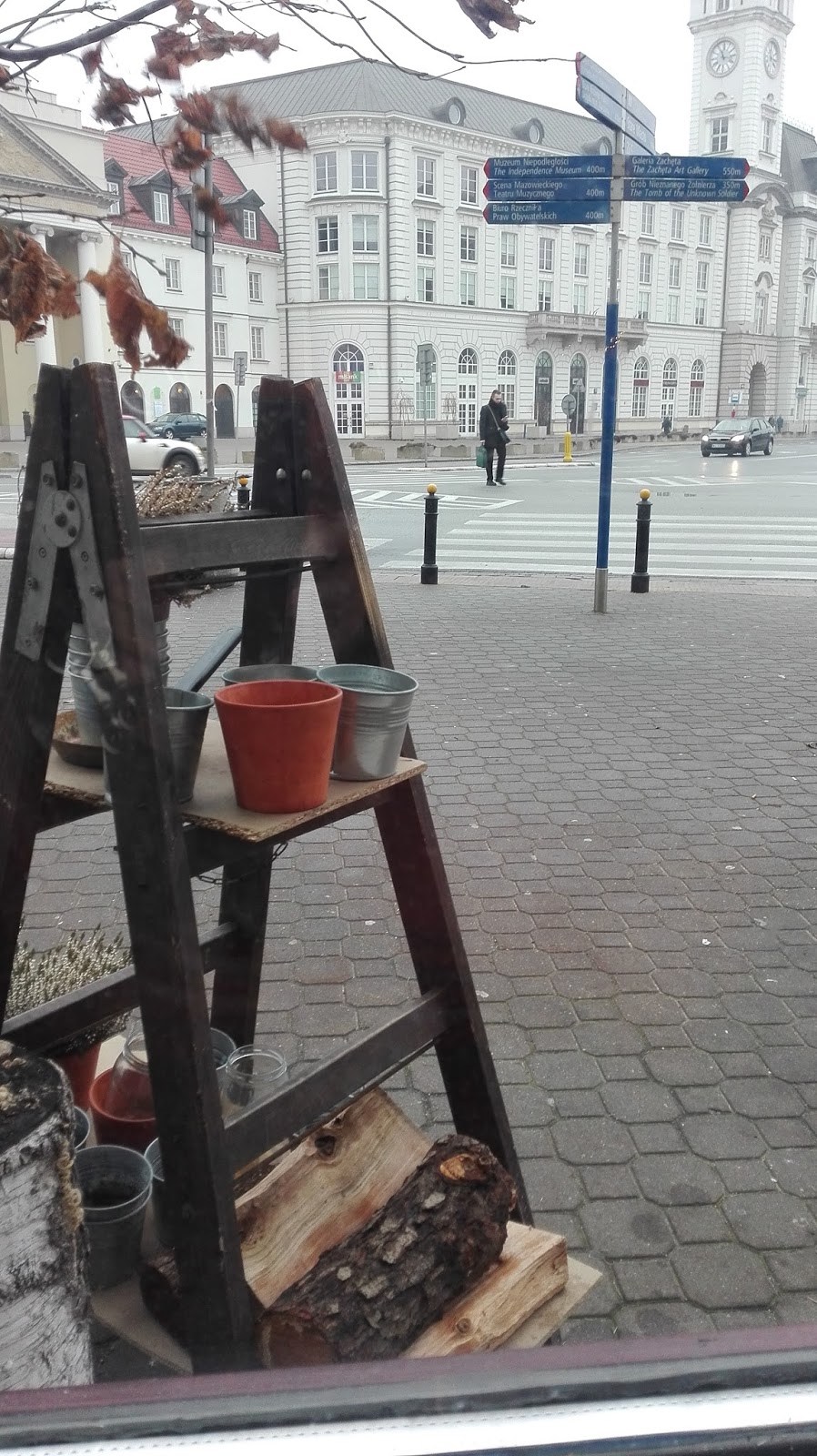
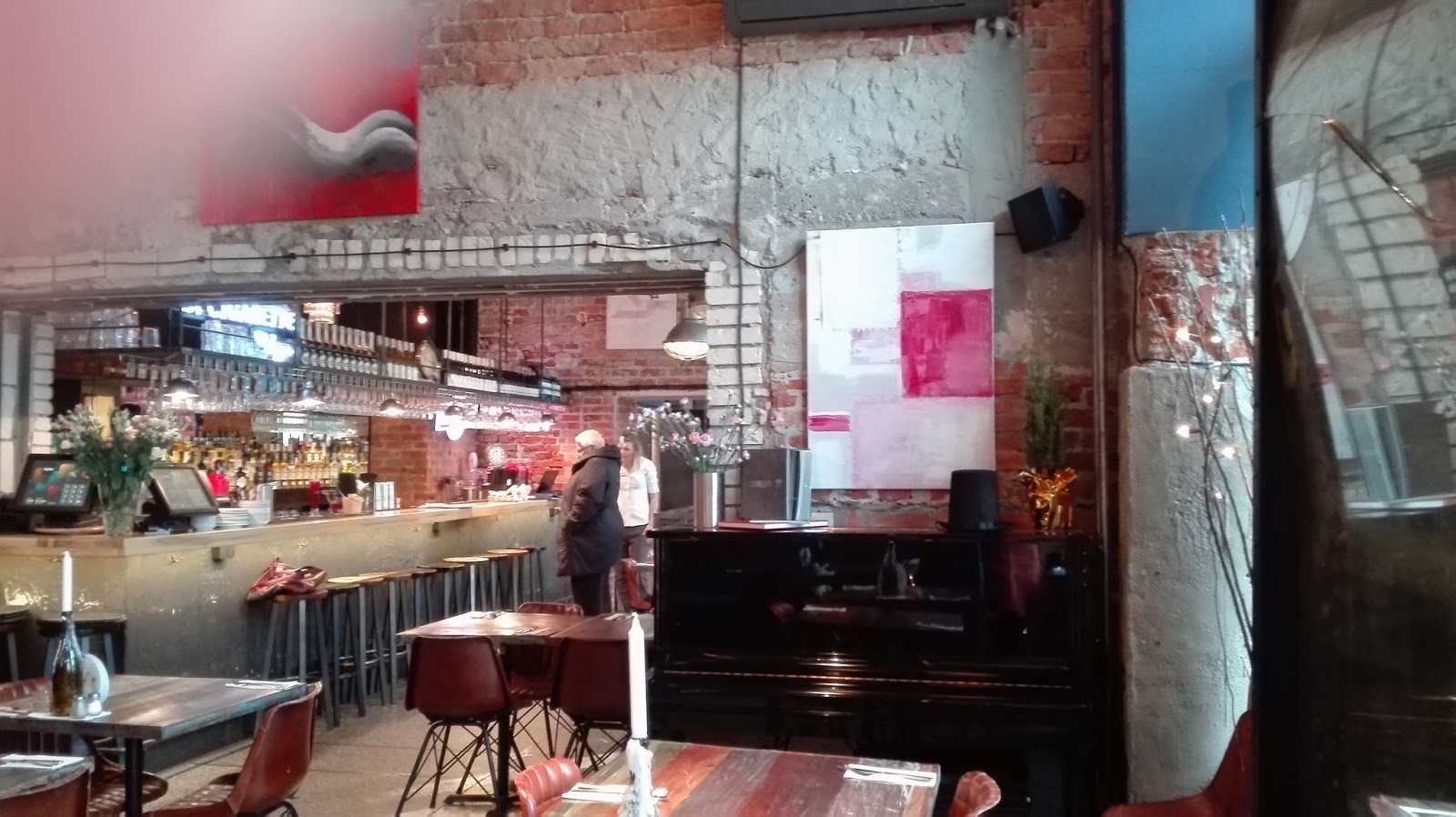
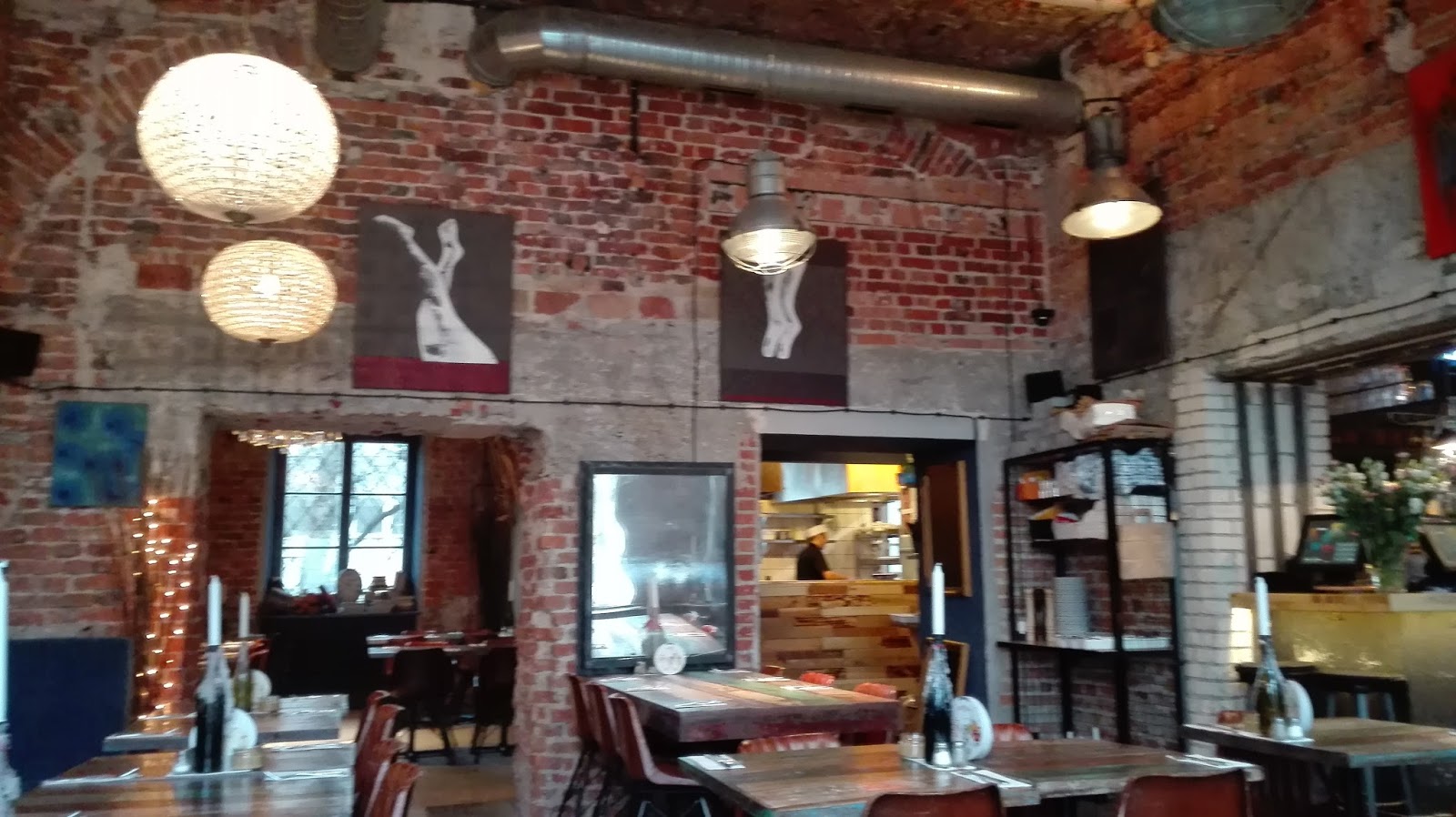
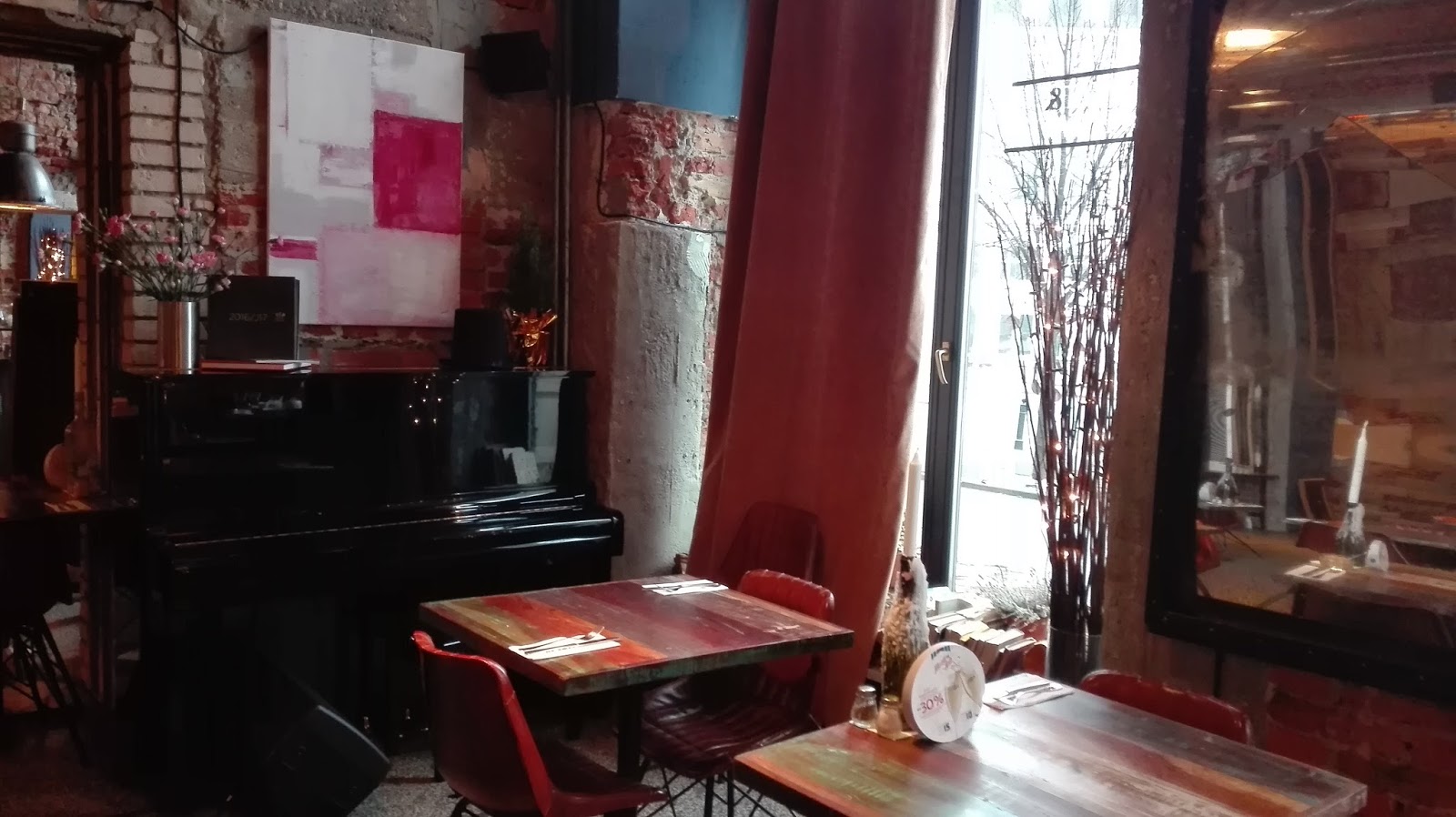
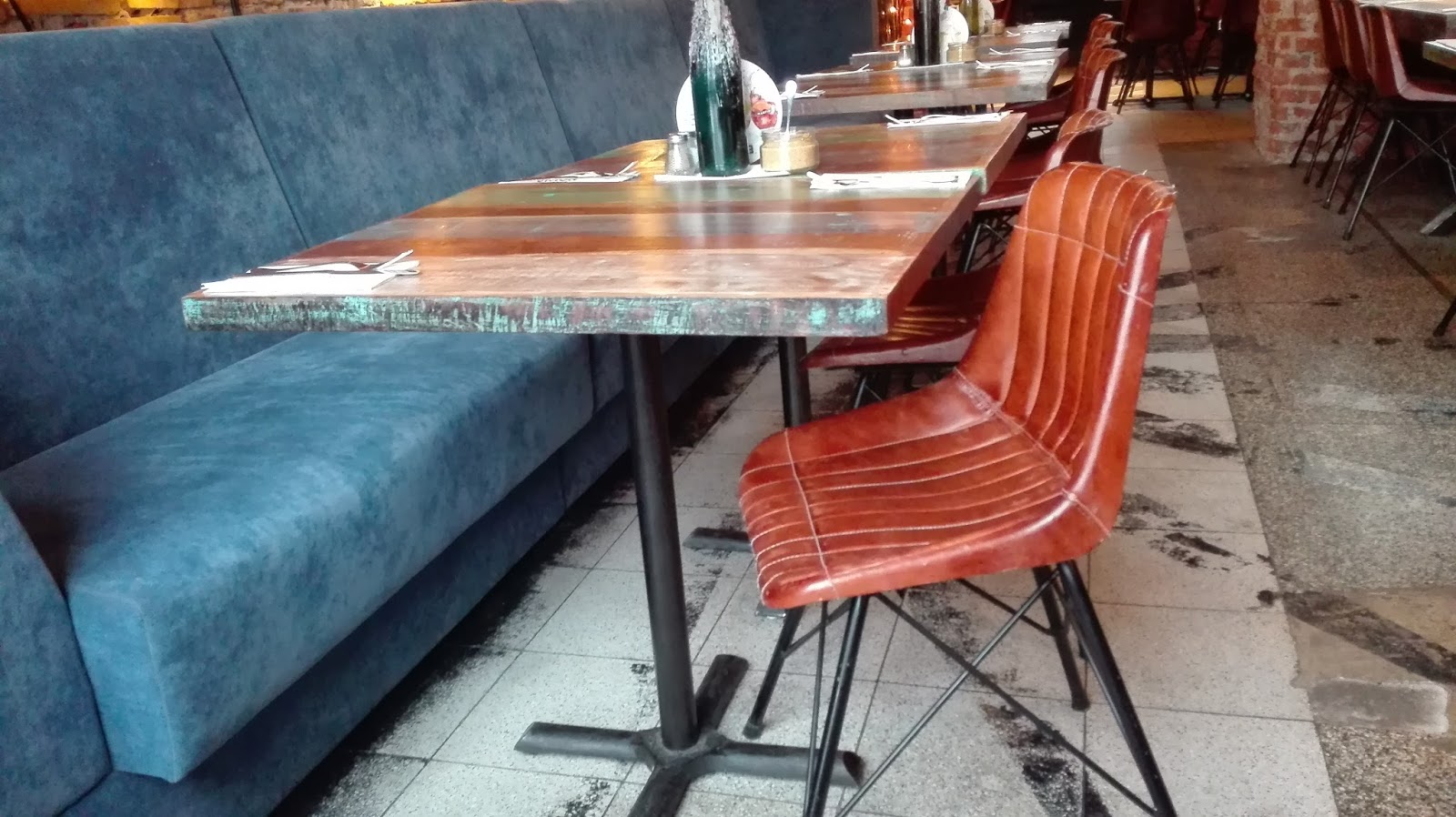
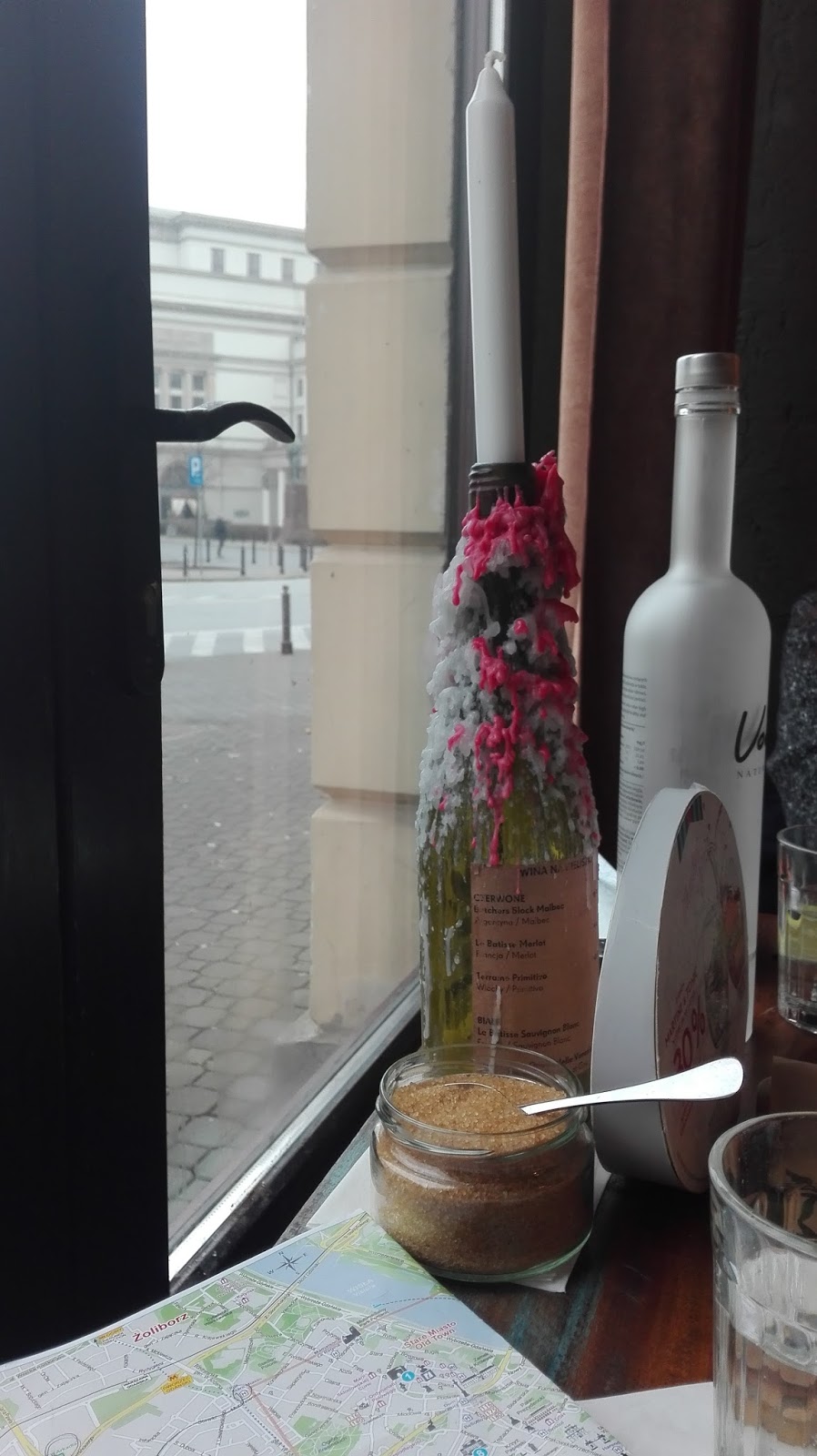
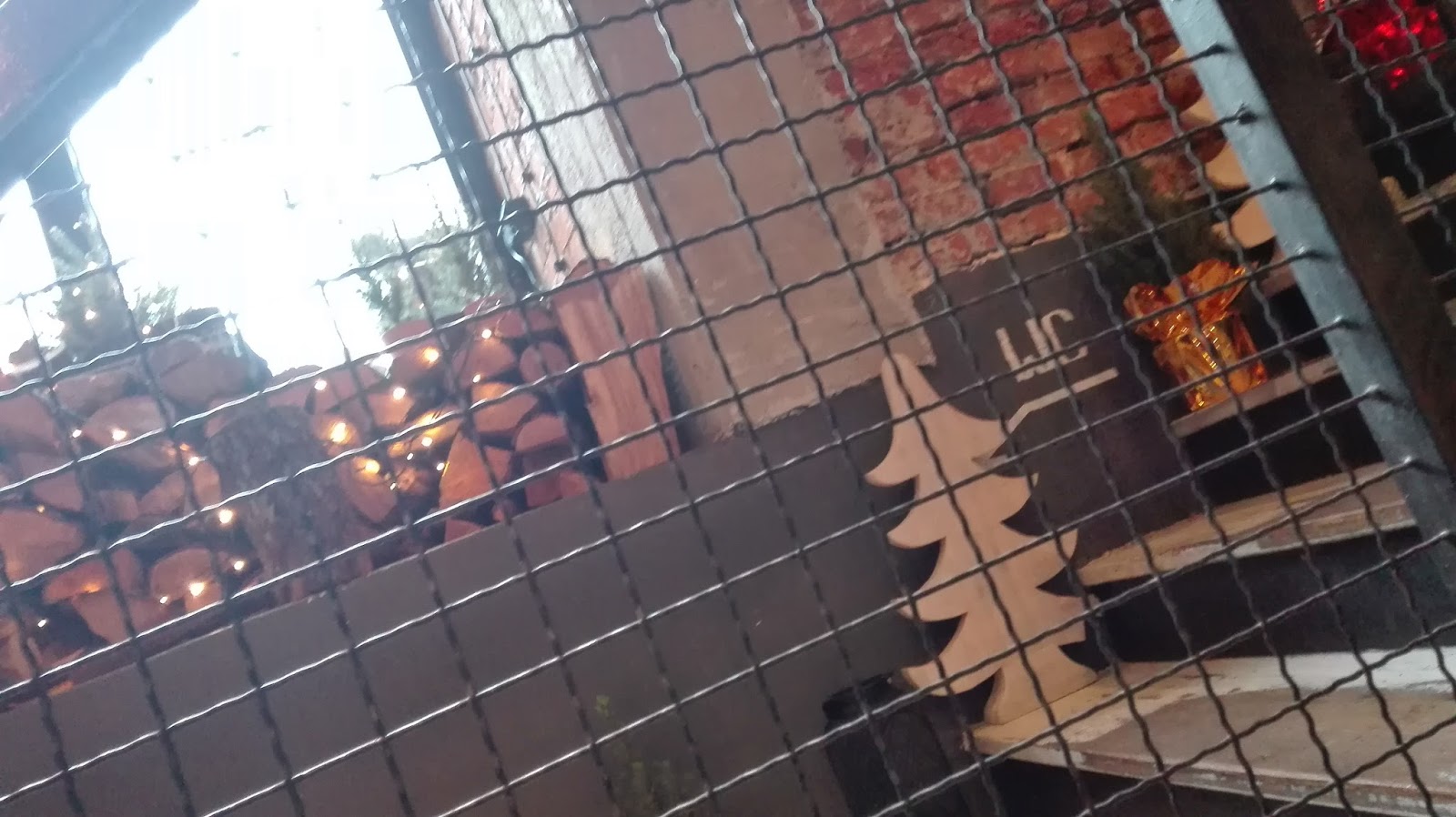
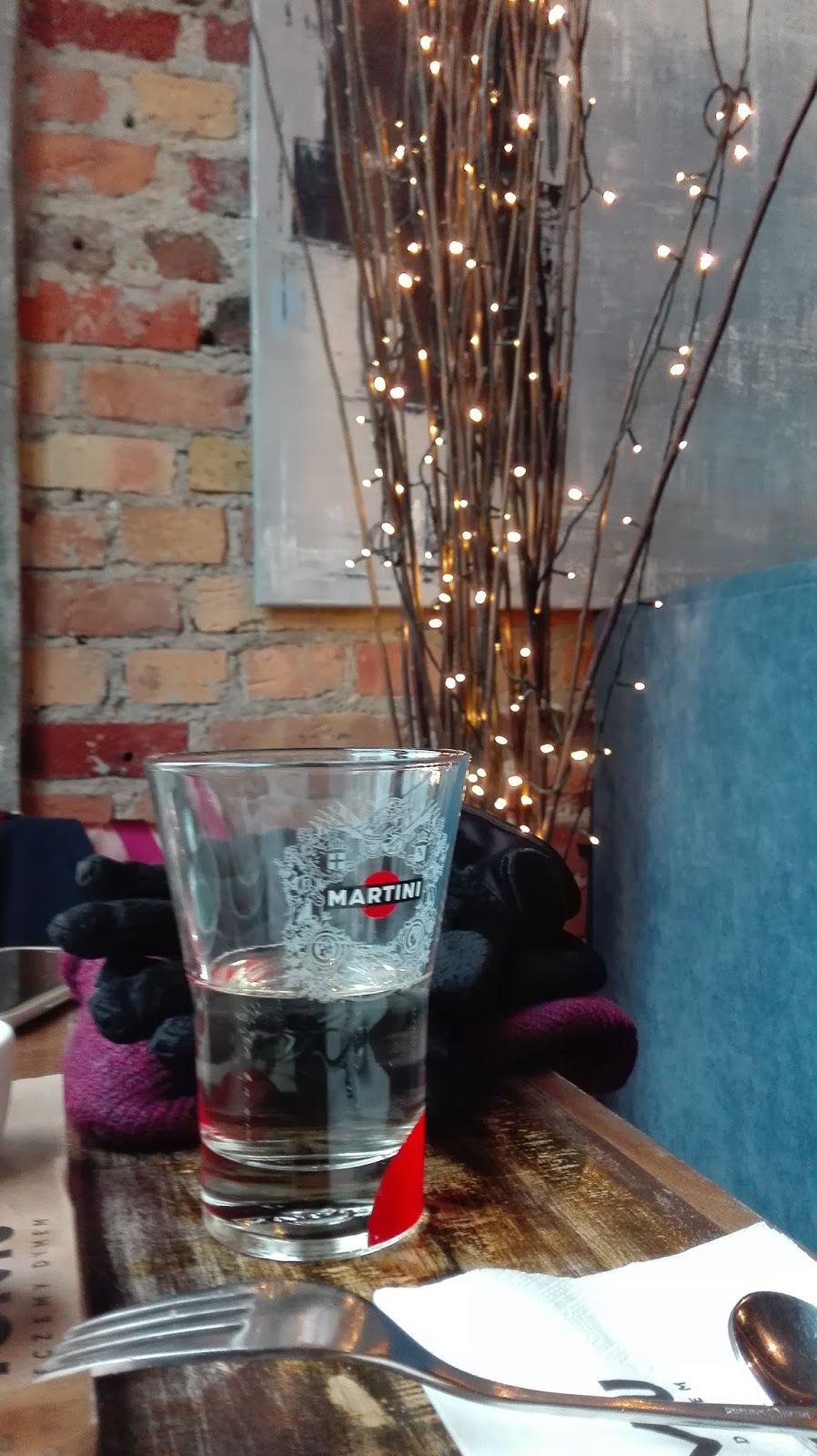 |
| a wne treated for happy new year…at 11am… love Warsaw |
 |
| in the restroom…take your time |
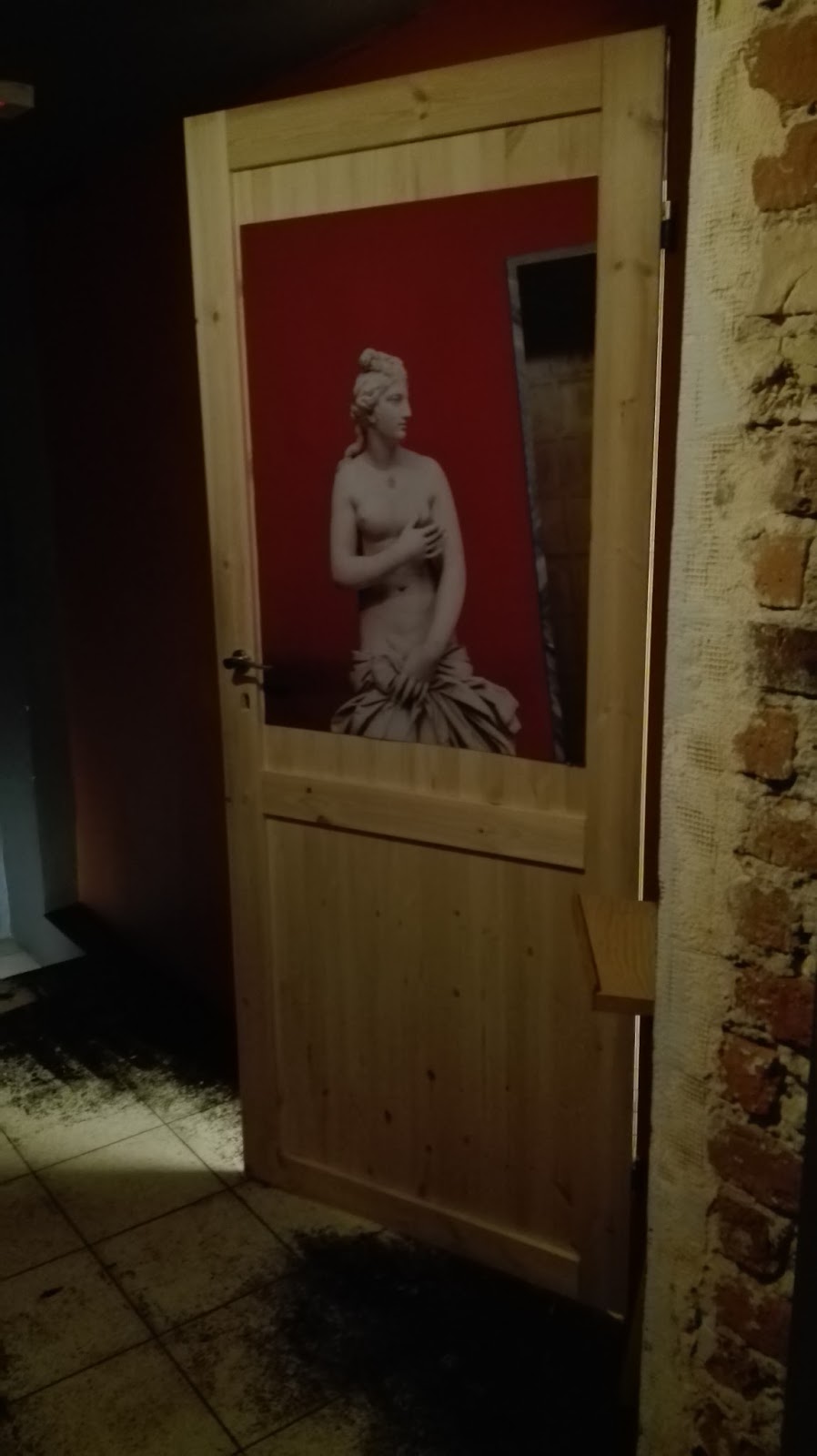 |
| the restroom, please? |
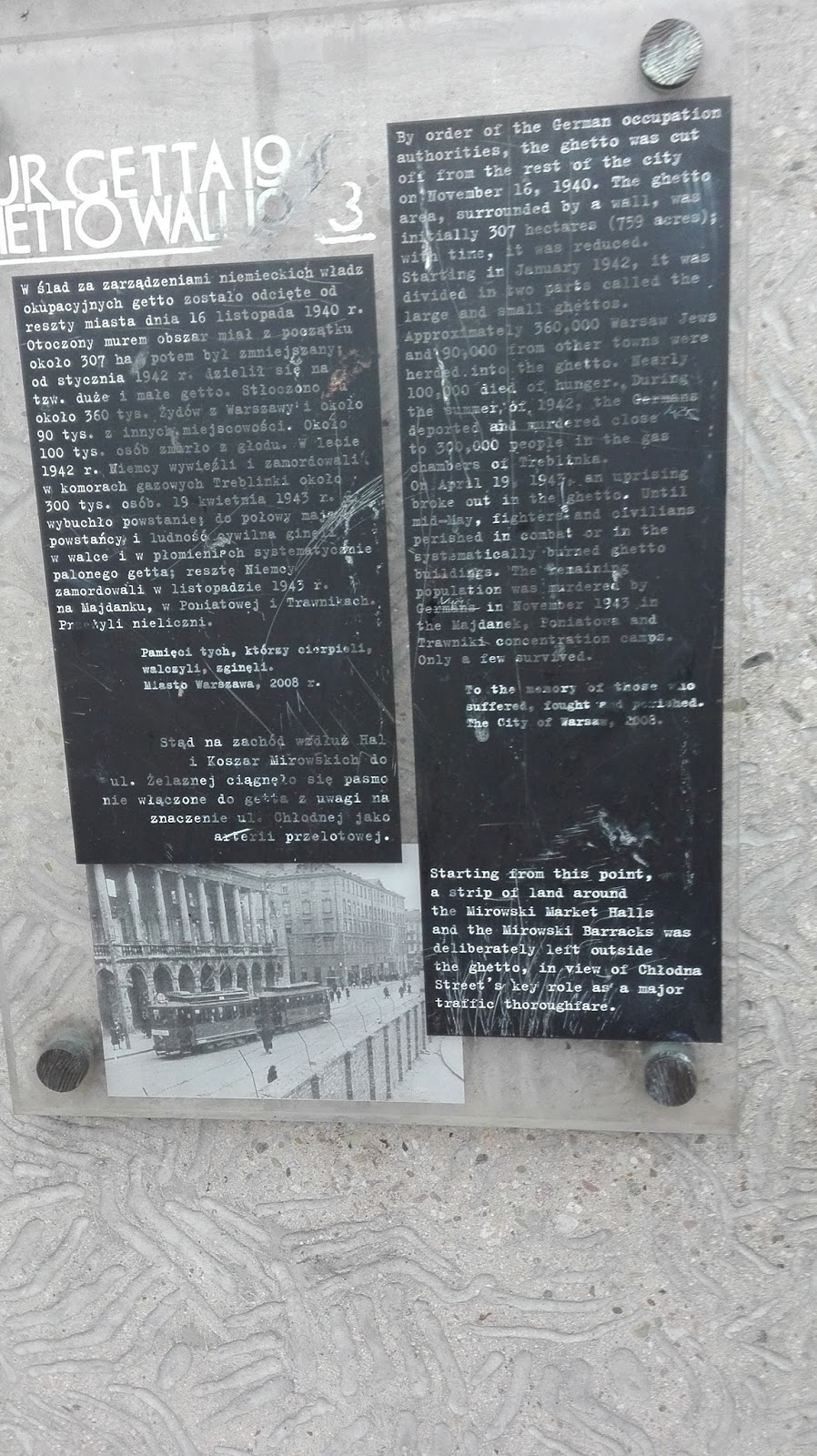
Ghetto
in September 1939 the Germans invaded Poland. They began bombing Warsawand captured it on 27 September. At that time about 1/3 of the population of Warsaw were Jews (about 380,000 people). From October 1940 the Germans herded Jews from Warsaw and the surrounding area into a ghetto. In 1942 the Germans began deporting Jews from the ghetto to concentration camps. In April 1943 the remaining Jews in the ghetto rose in rebellion. They fought bravely but the Germans were much better armed and inevitably the uprising was crushed.
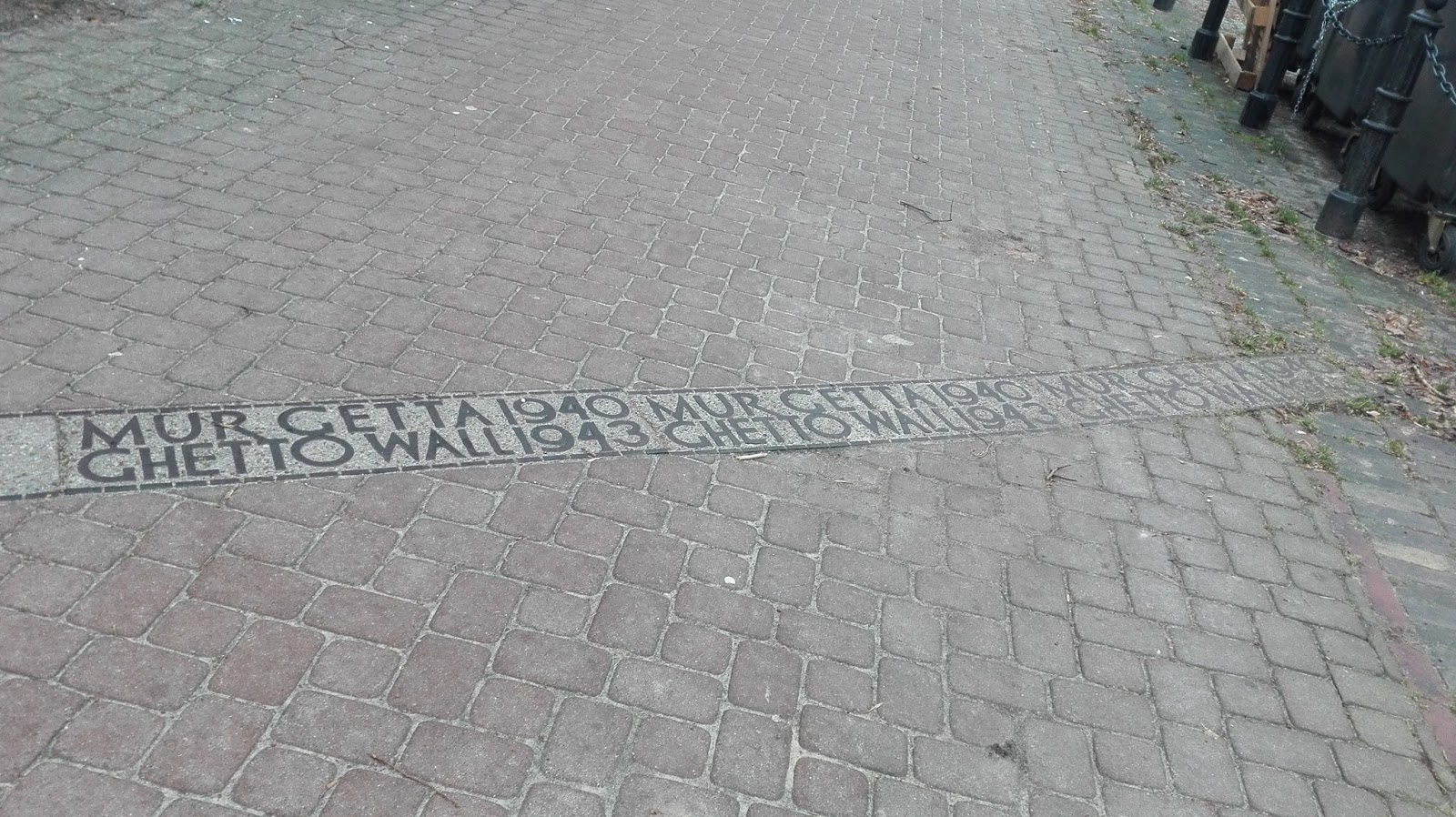
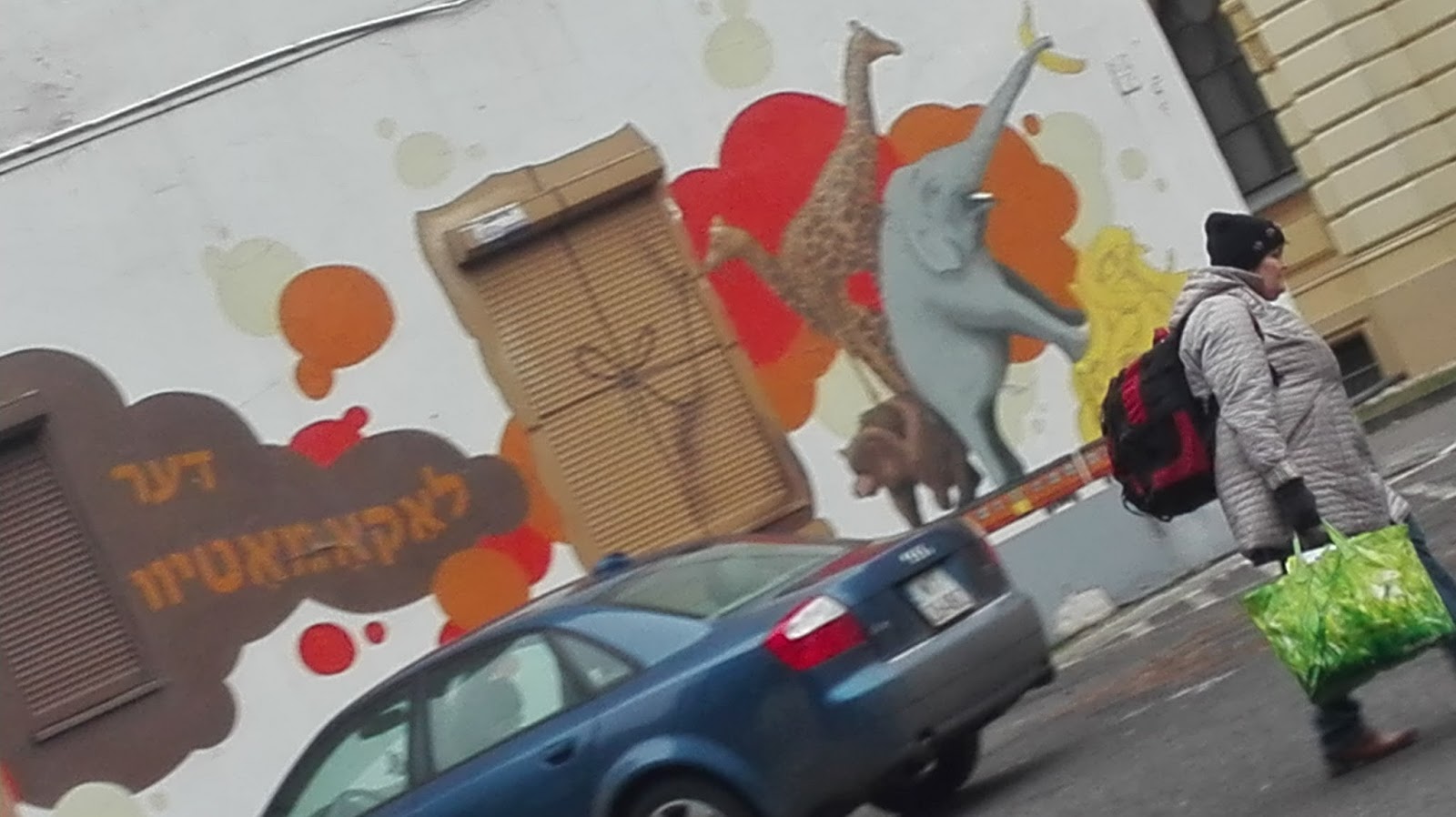


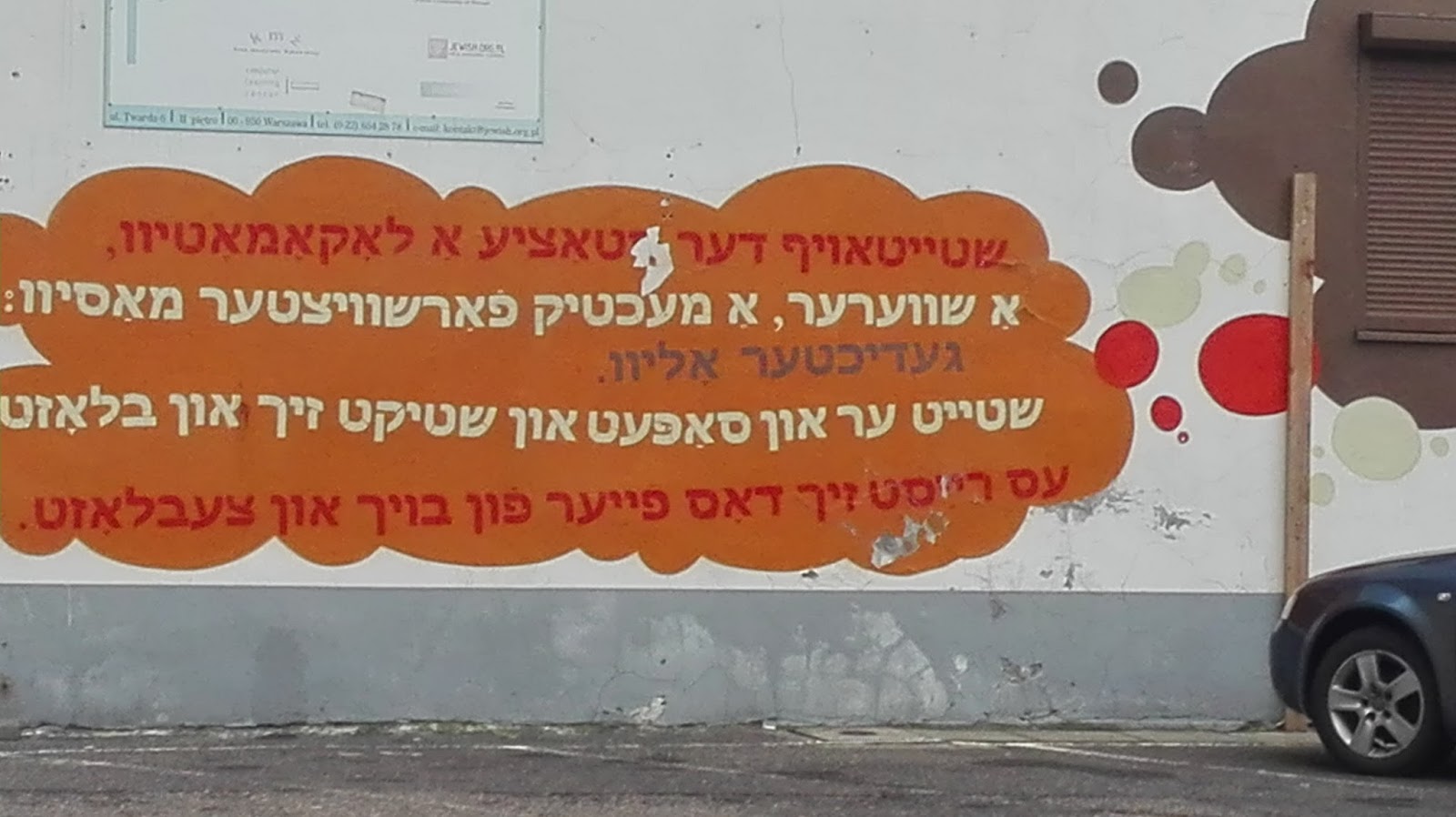
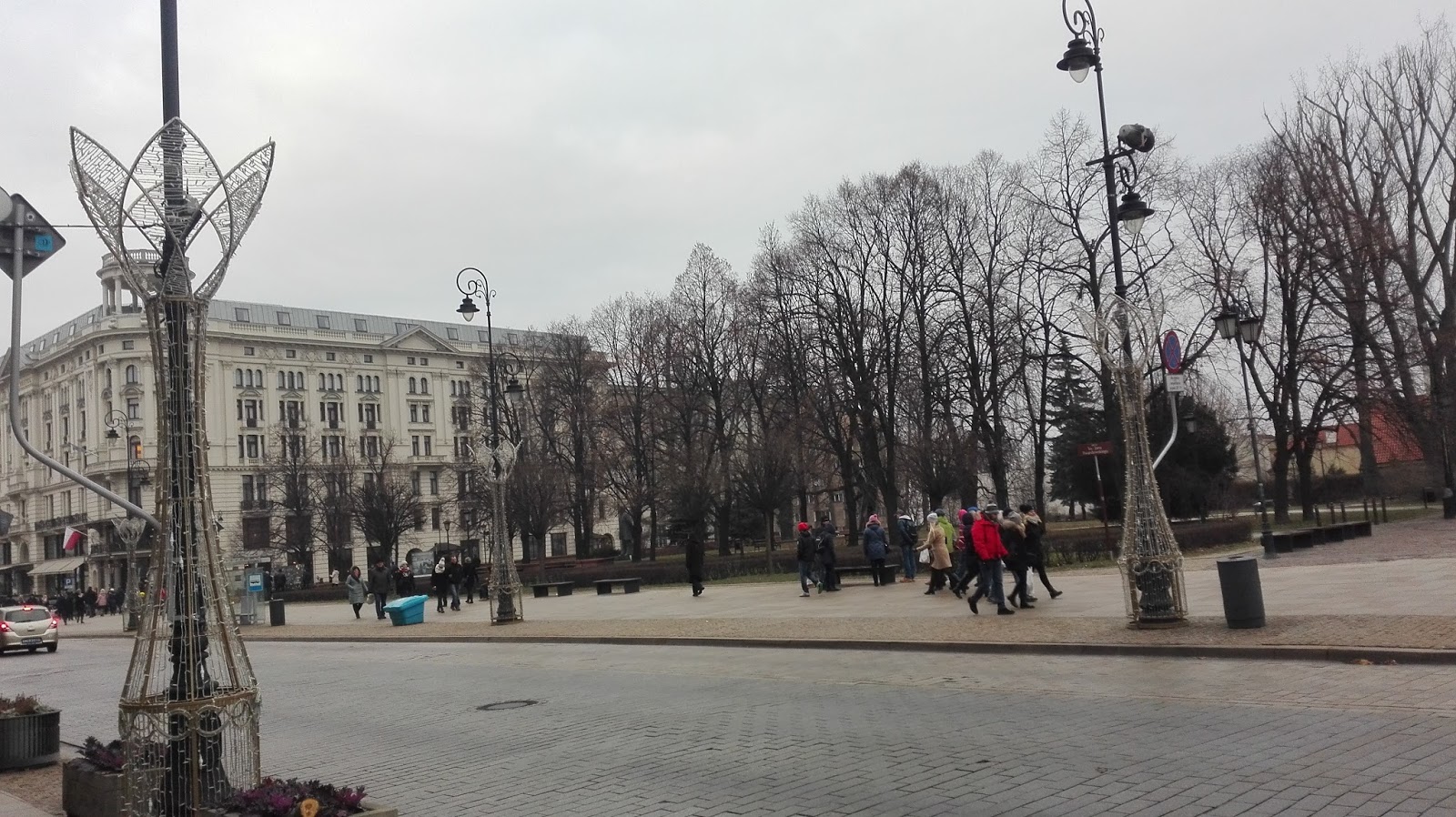
Streets of Warsaw – First day of the Year
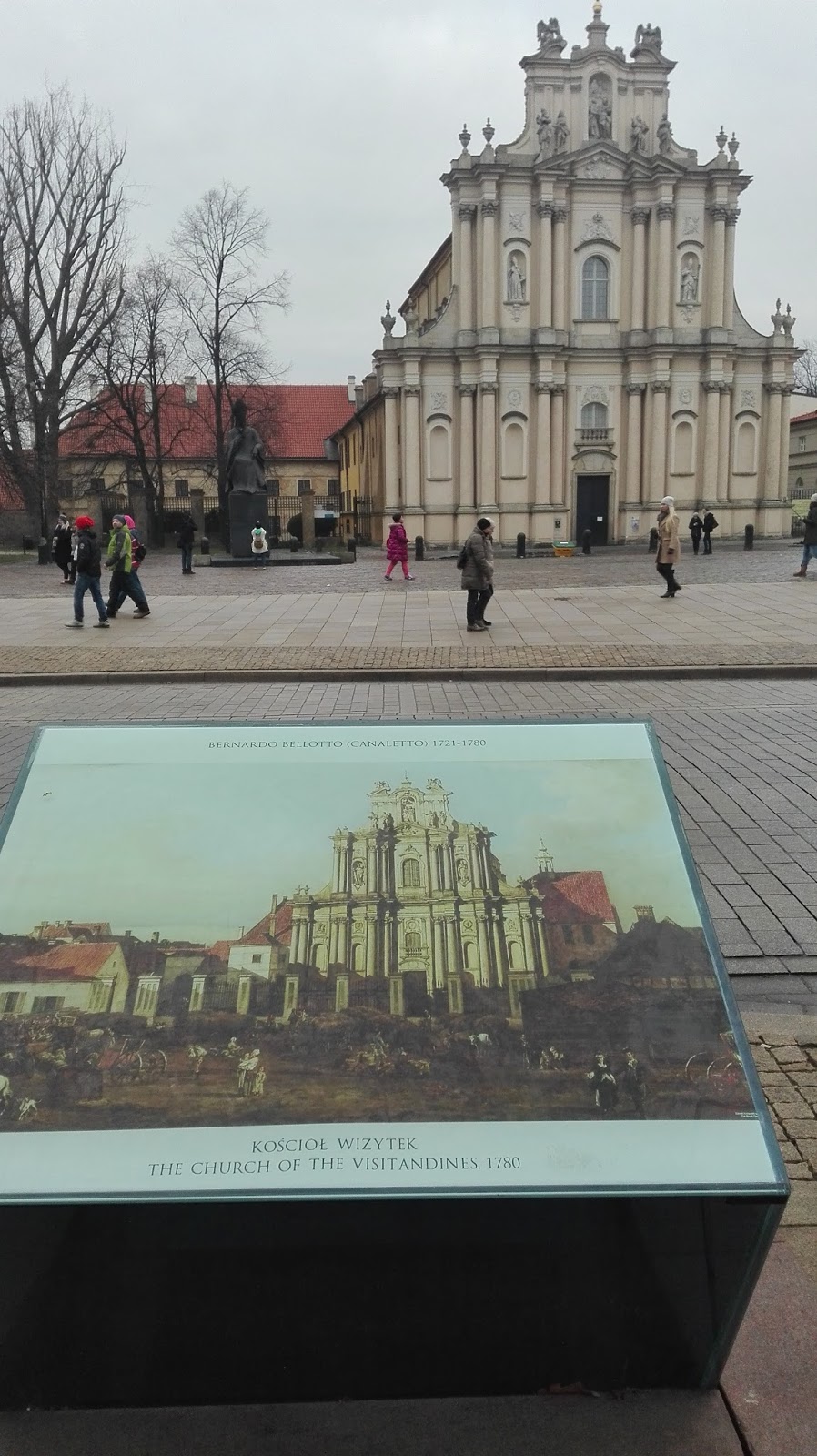 |
| The Church of the Visitandines (1780) A Roman Catholic church (Rococo) Chopin used to play the church organ here |

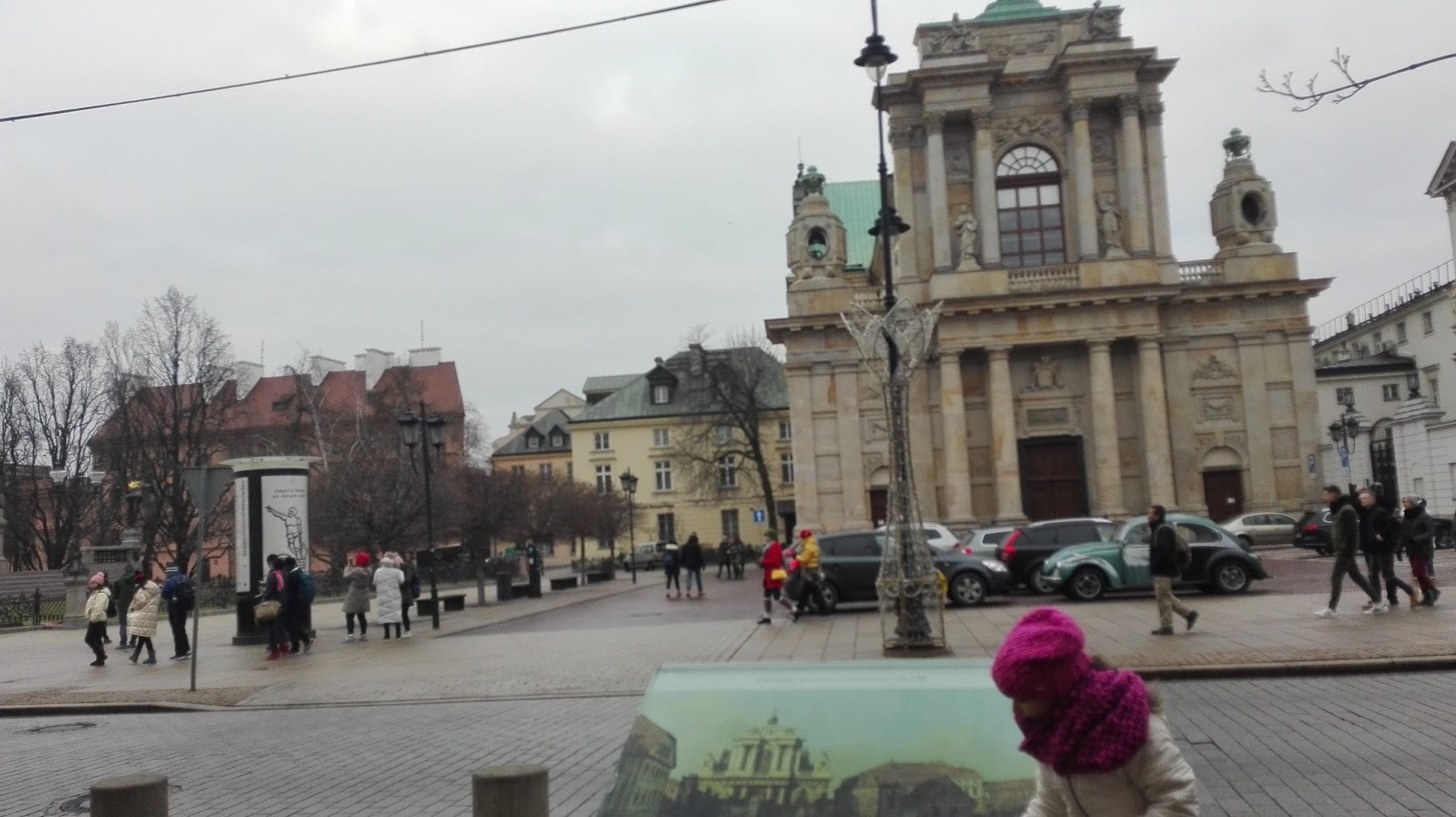 |
| The Church of the Carmelites (Neoclasical style) |

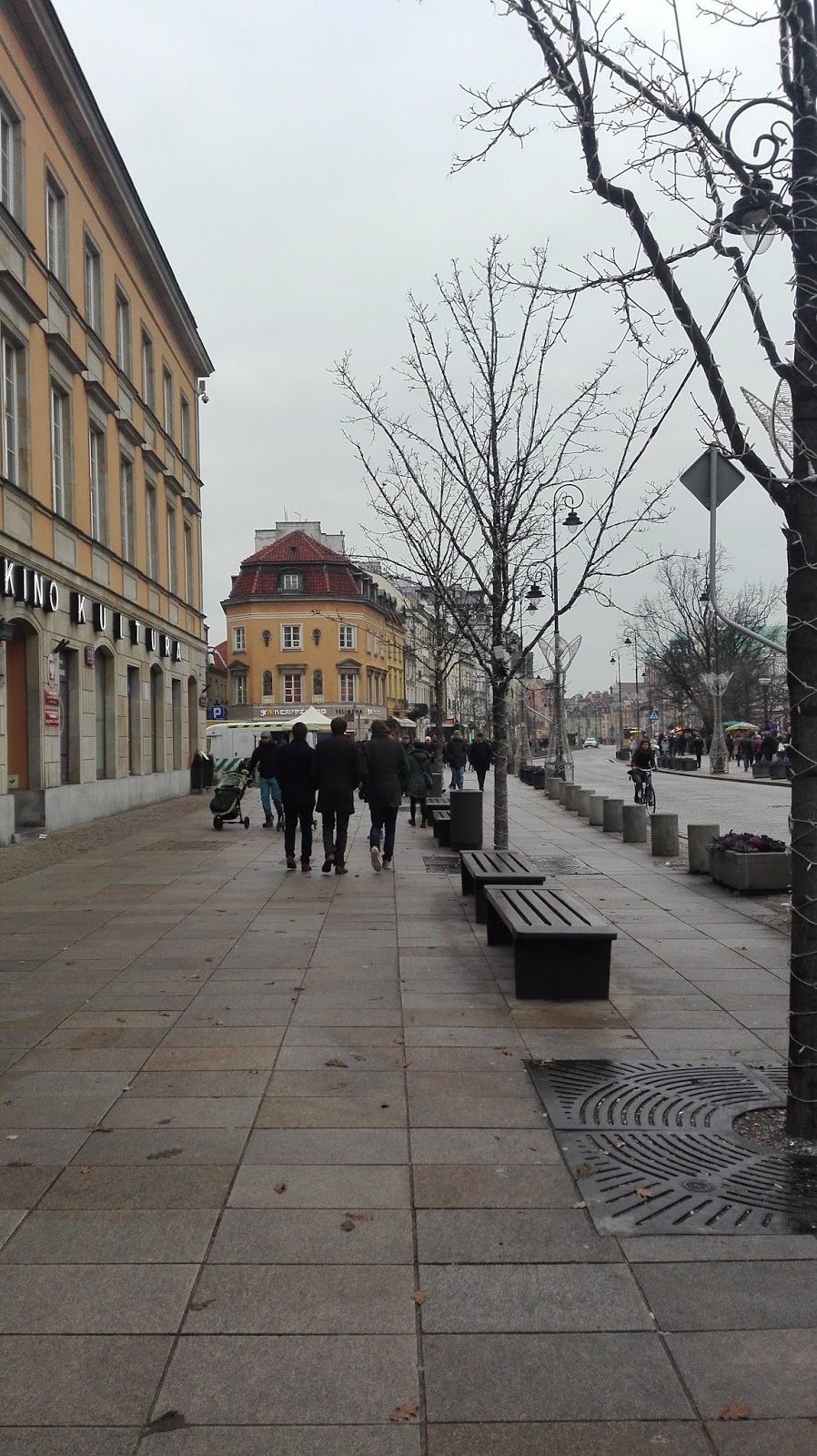
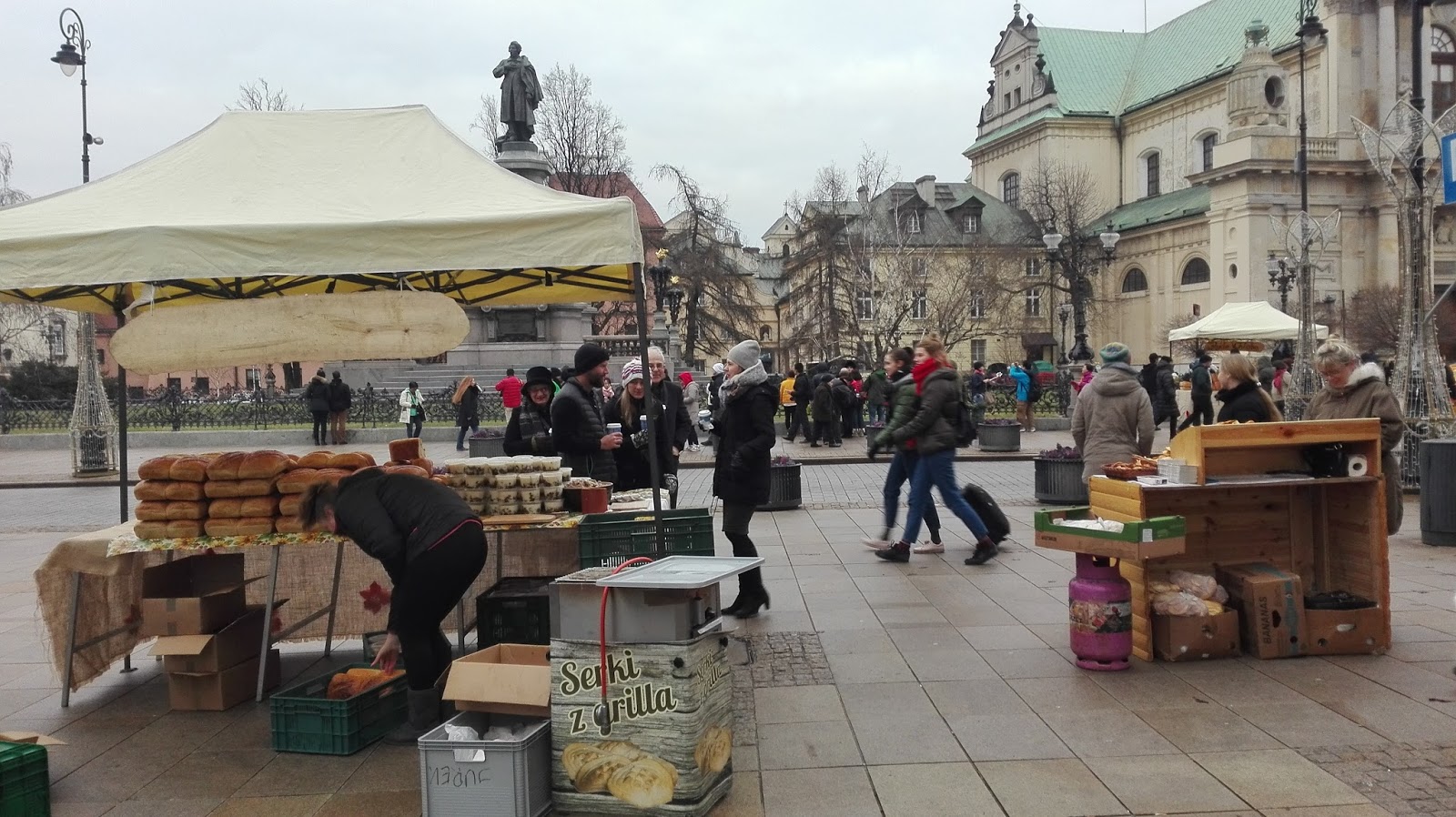

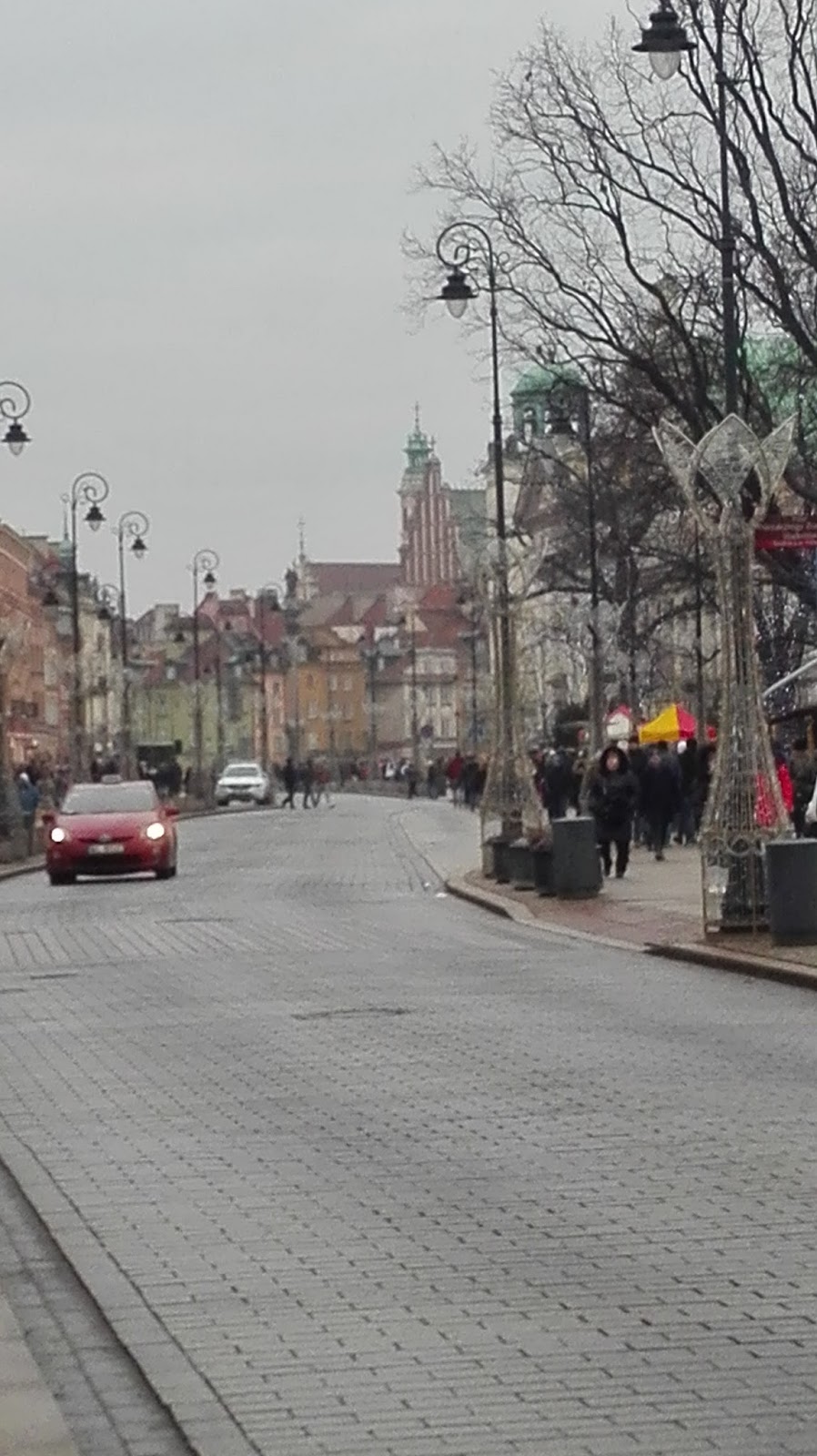
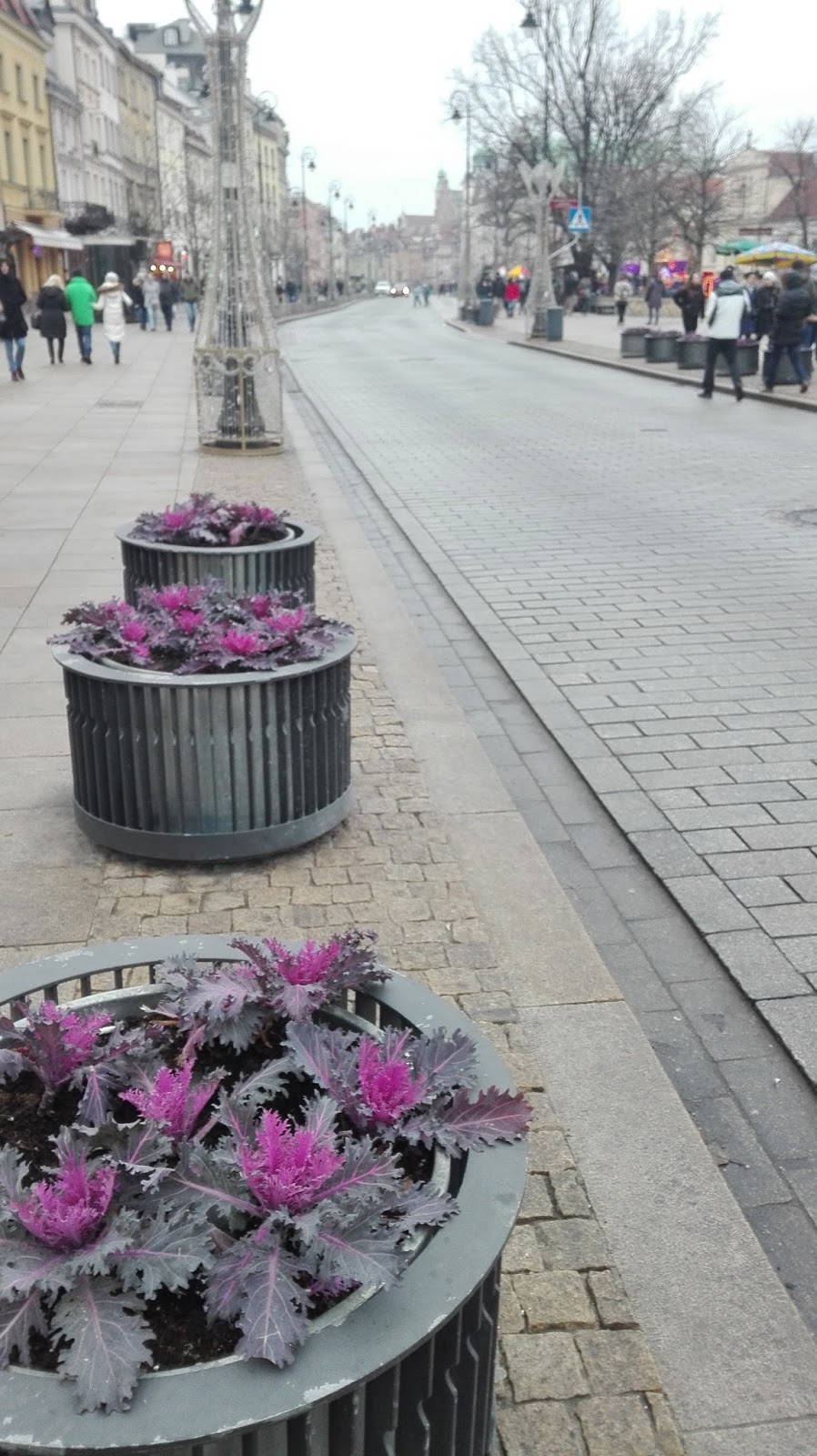
At the end of the war the city of Warsaw lay in ruins and 800, 000 people – more than half of the prewar population – had perished. (By comparison, the total military casualties for US forces in WWII was 400, 000, for UKforces 326, 000.) A massive rebuilding project was undertaken soon after and despite over 40 years of communist rule the city once again regathered its strength and is now enjoying an unprecedented period of economic growth.
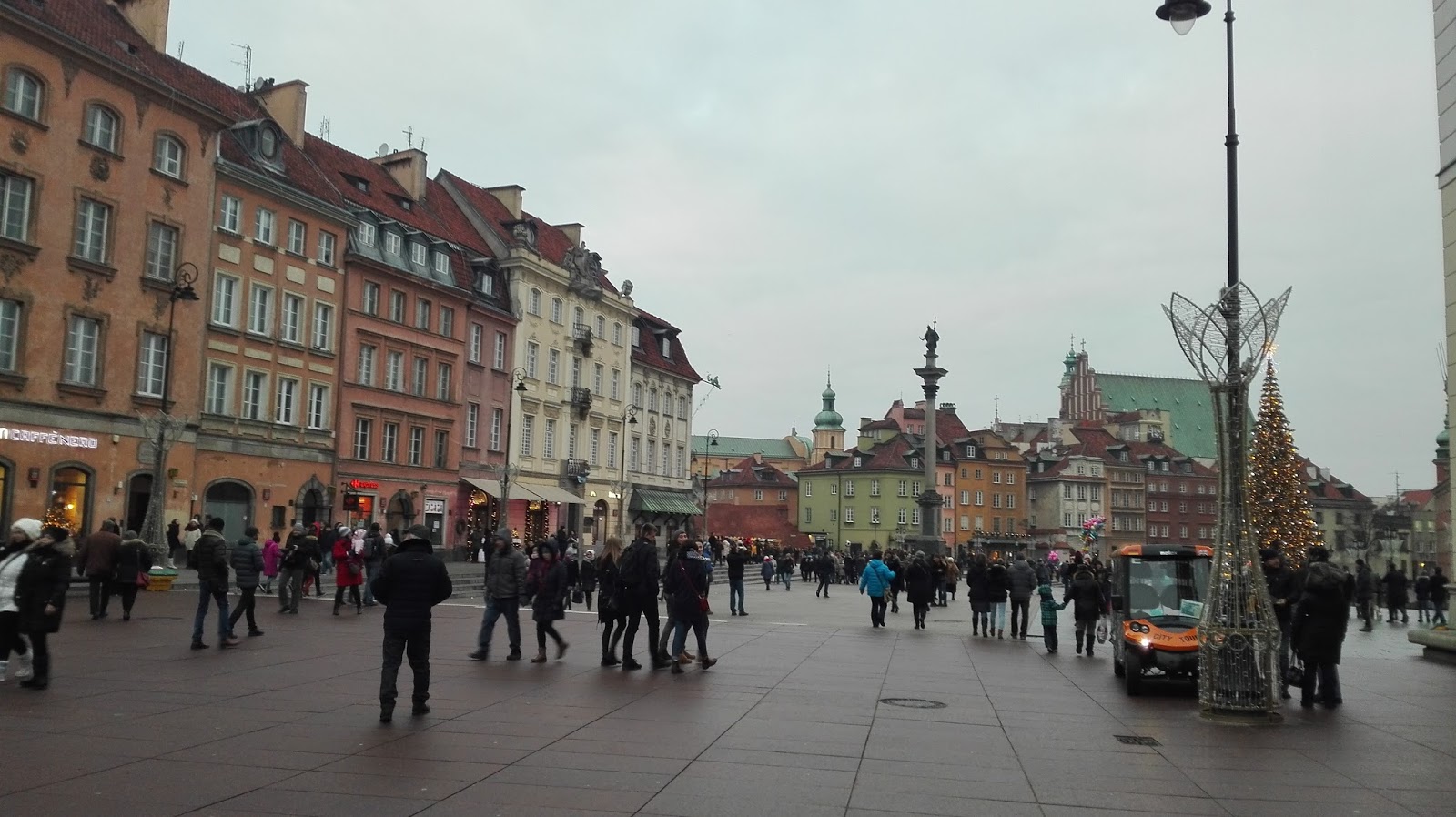
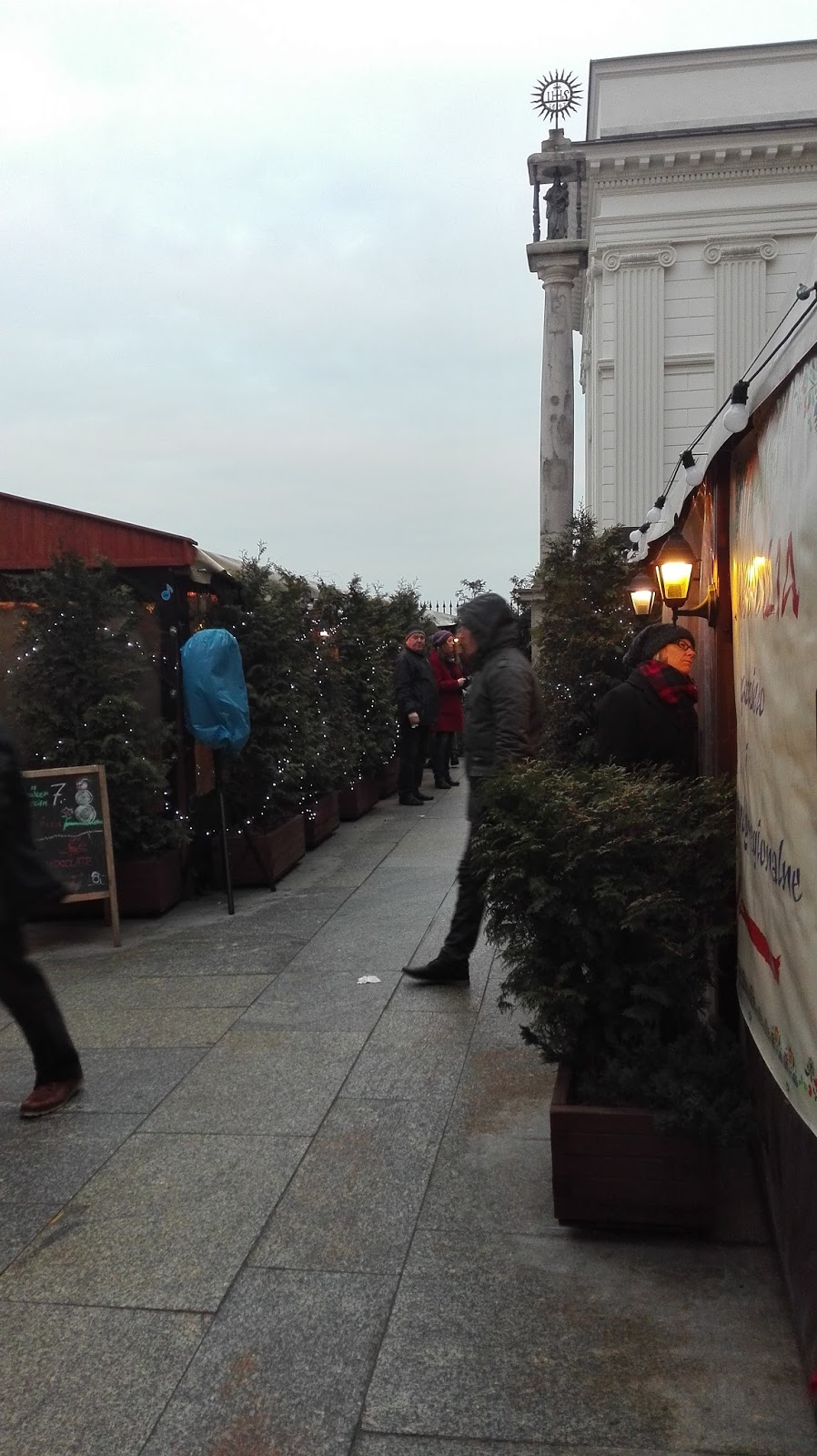
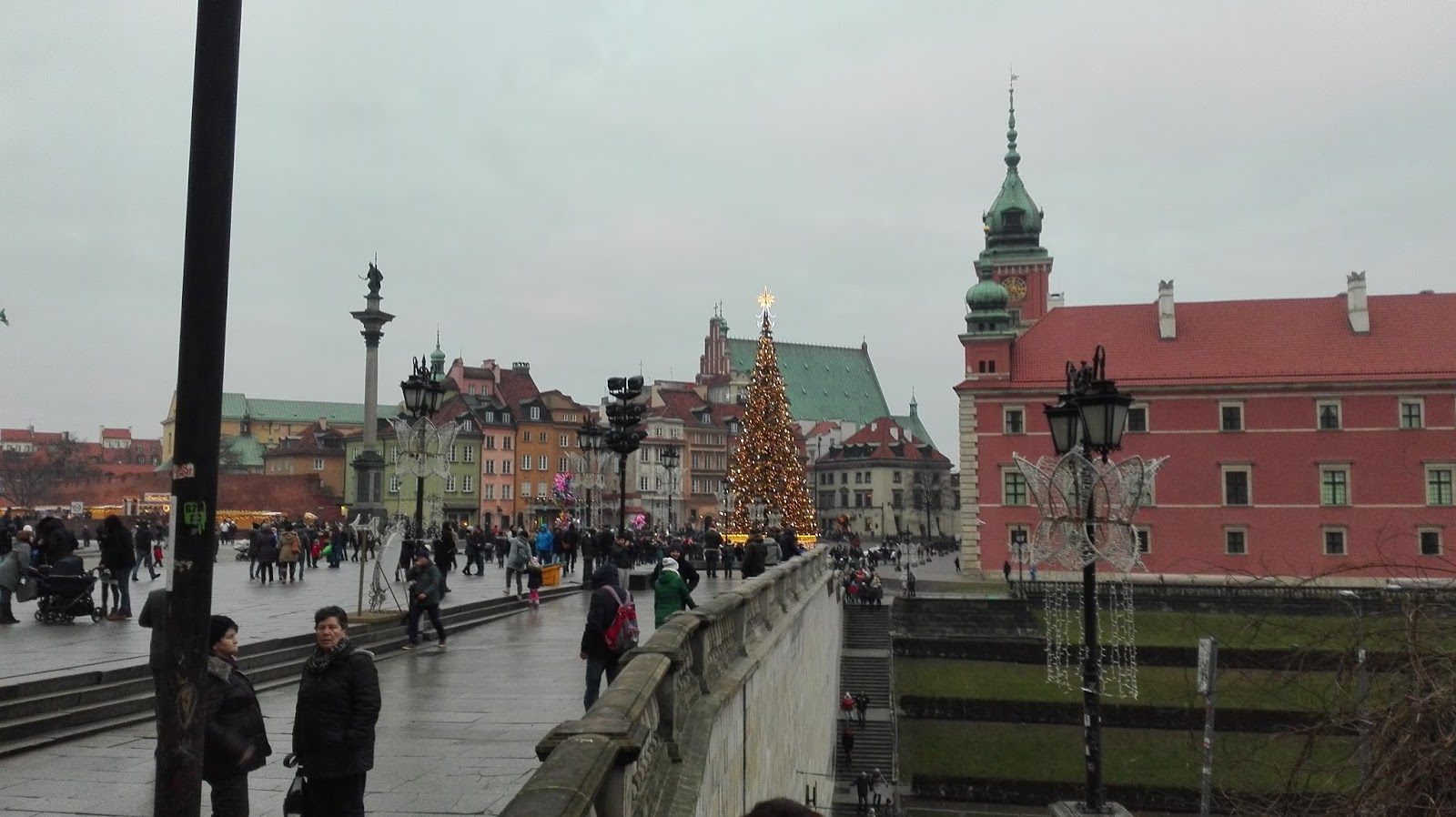
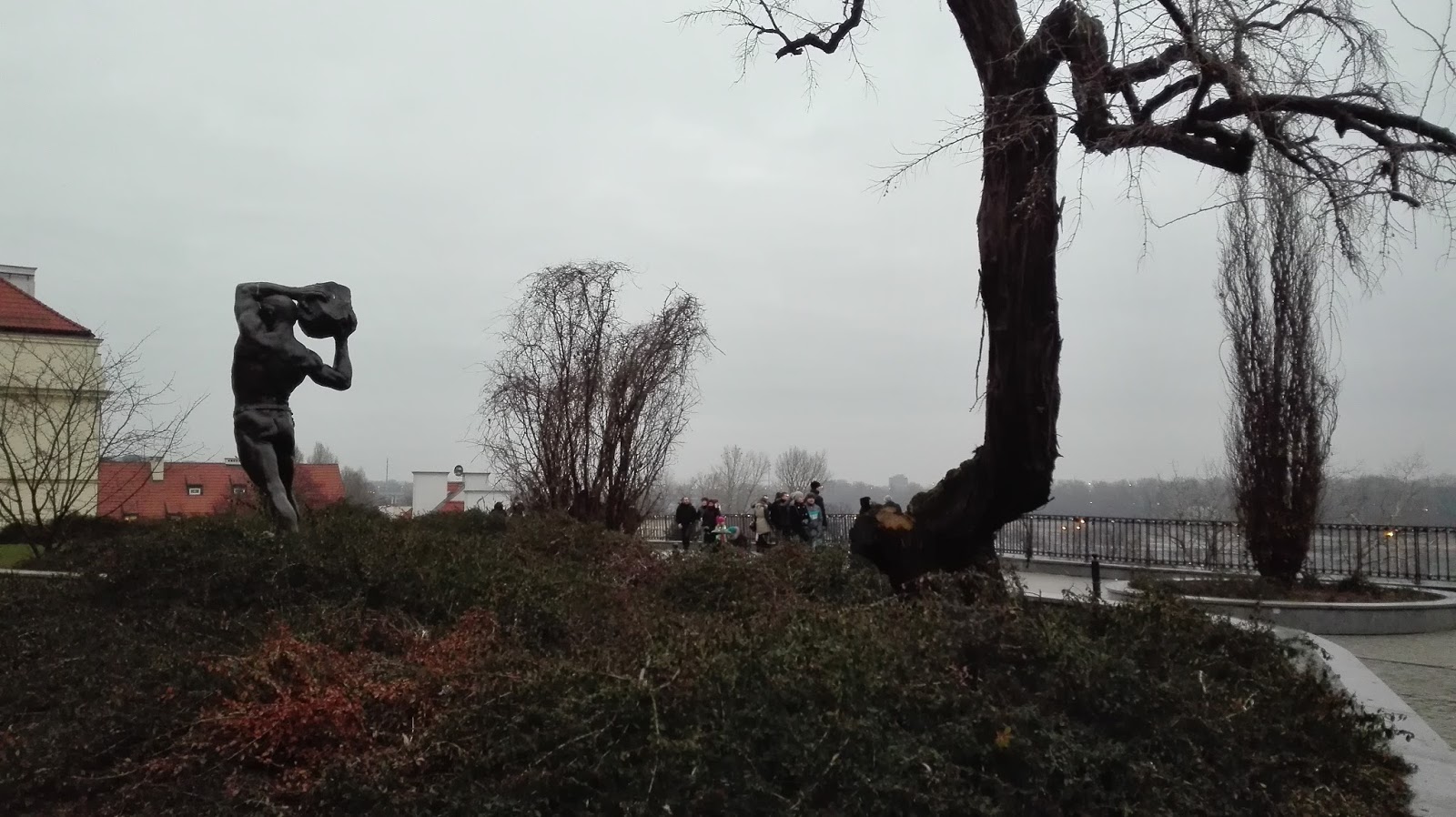
The ricontsturction of the Old Town was a coherent and consistently implemented project devised ot the Warsaw Reconstruction Office in the years 1945- 1951. The reconstruction project utilised any extant, undamaged structures built between the 14th ana 18th centuries, together with the late- medieval network of streets, squares, and the manin market square, as well as the circuit of city walls. Two guiding principles were followed: firstly, to use reliable archival documents where available, and secondly, to aima at recreating the historic city’s late 18th century appearance. The latter was dictaded by the availability of detailed iconographic and documentary historical records from that period. Additionally, conservation inventories compiled before 1939 and after 1944 were used, along with the scientific knowledge and expertise of art historians, architects and conservators.
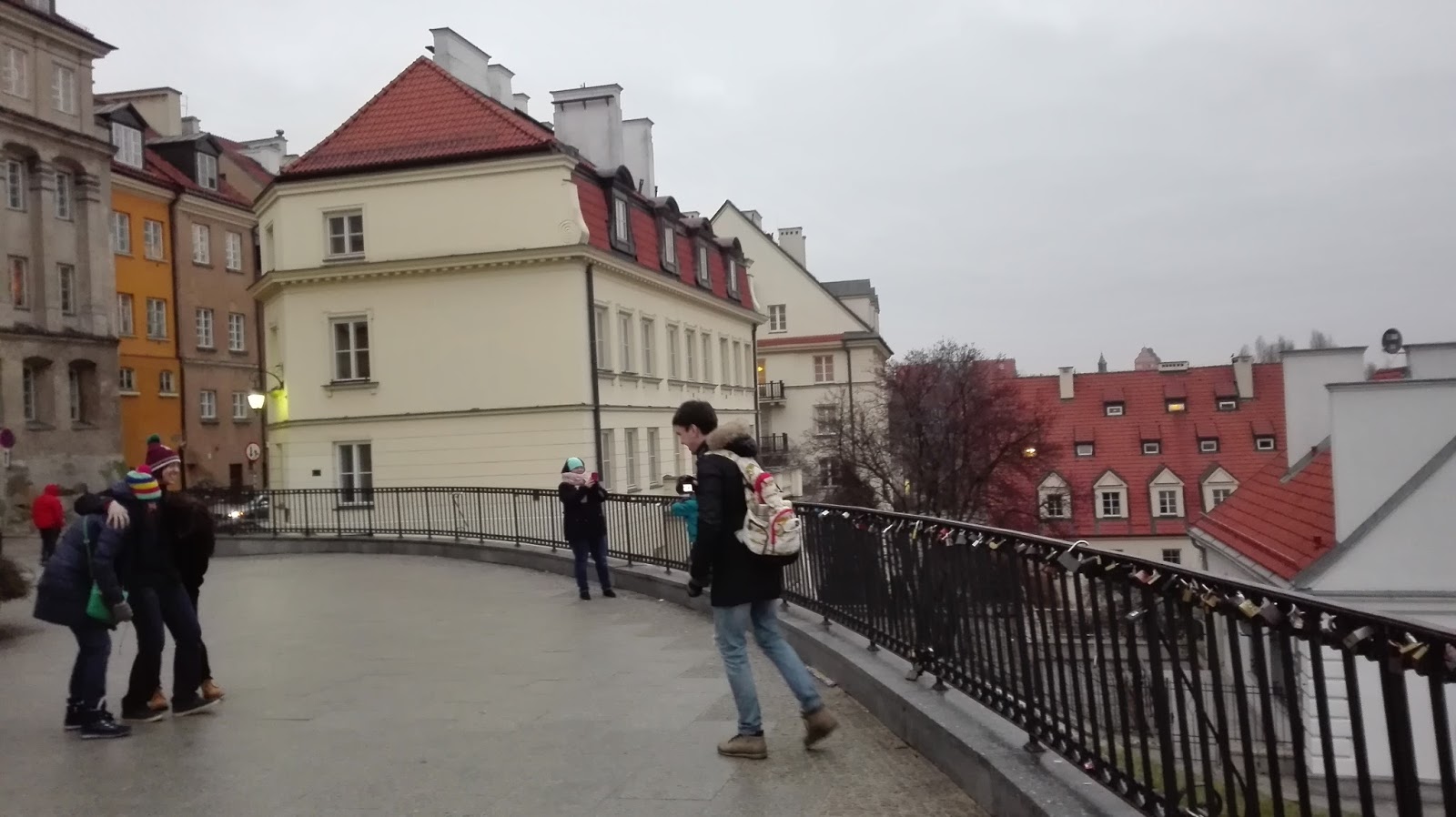
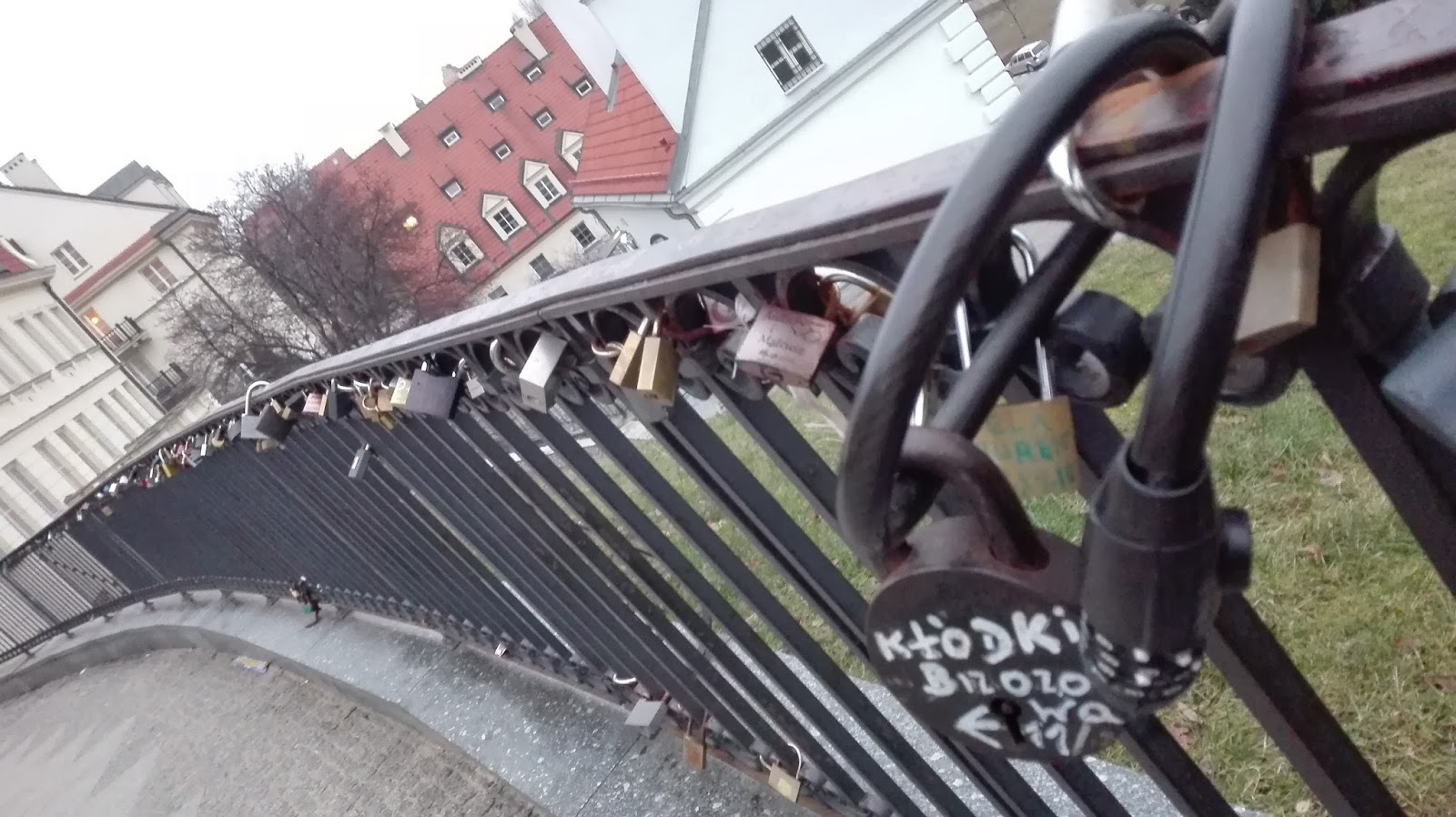
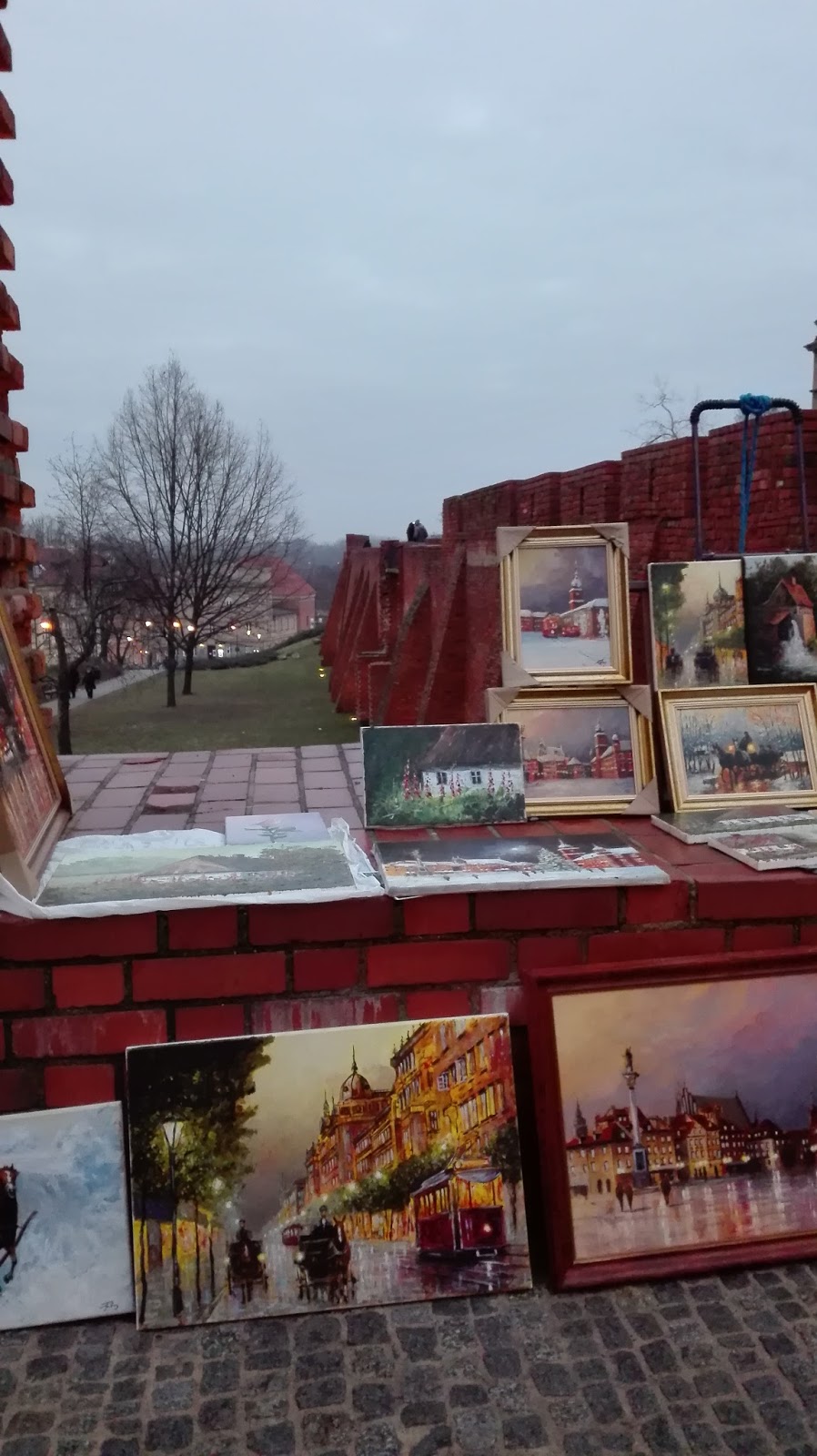
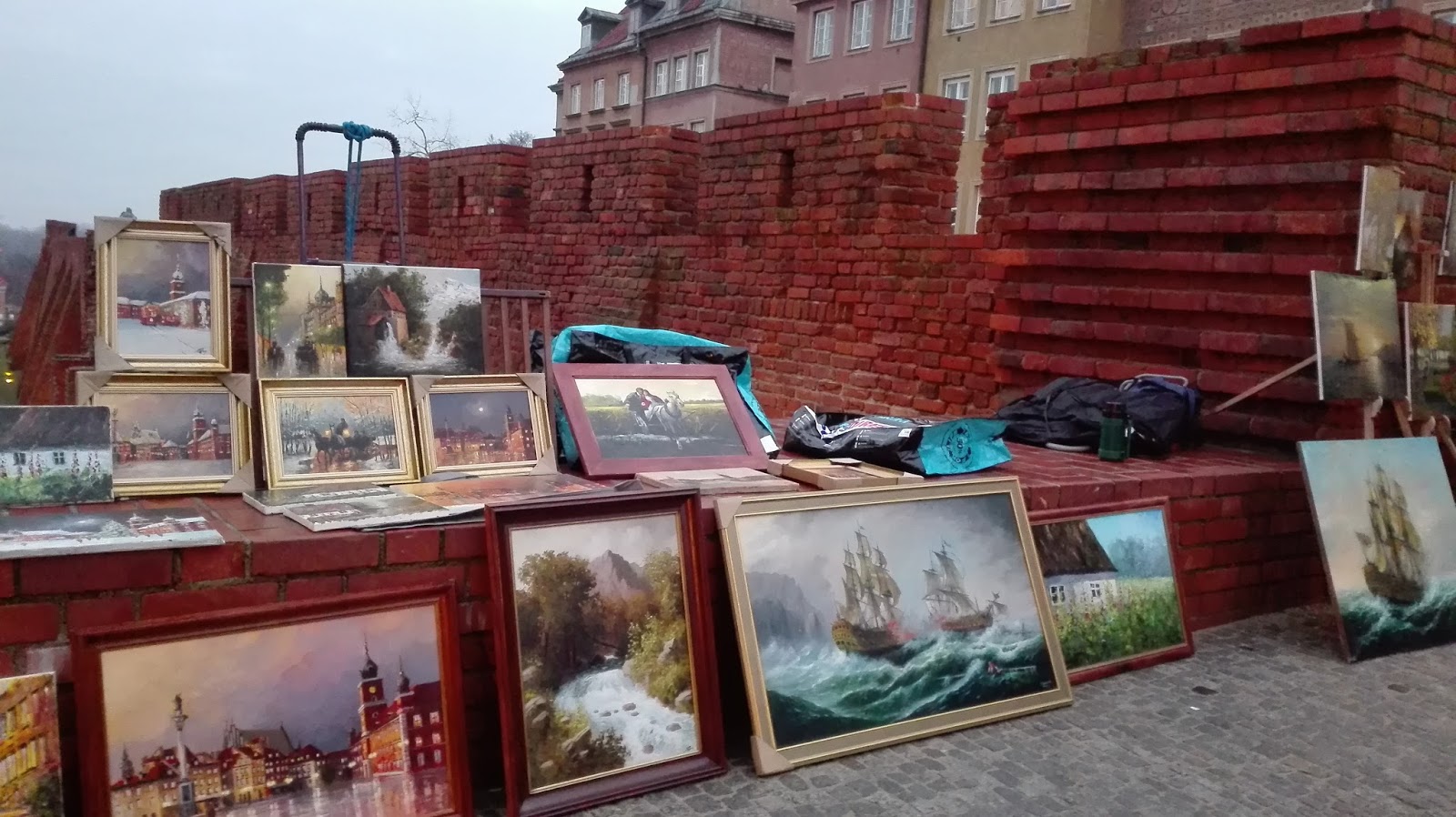
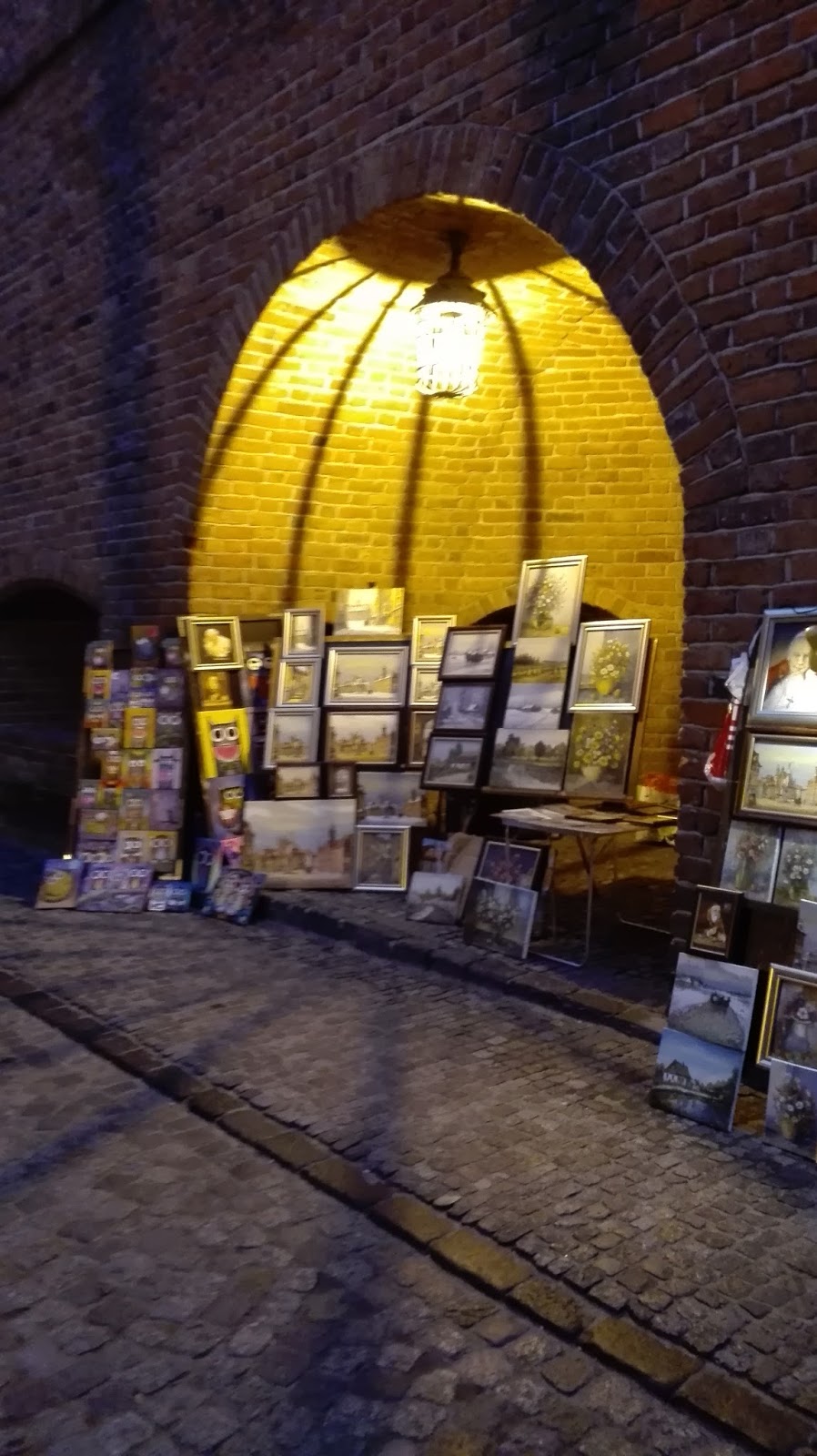
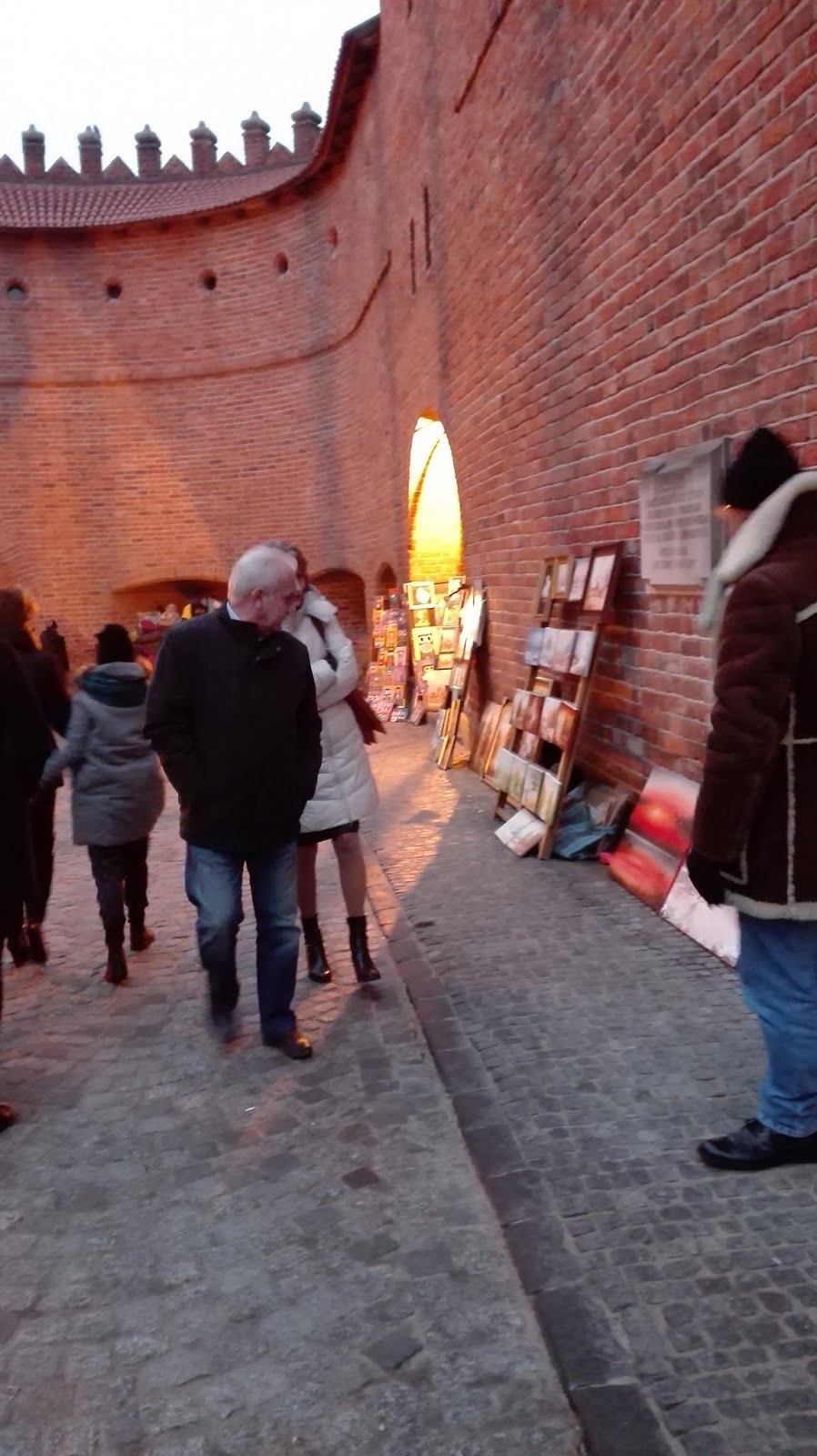
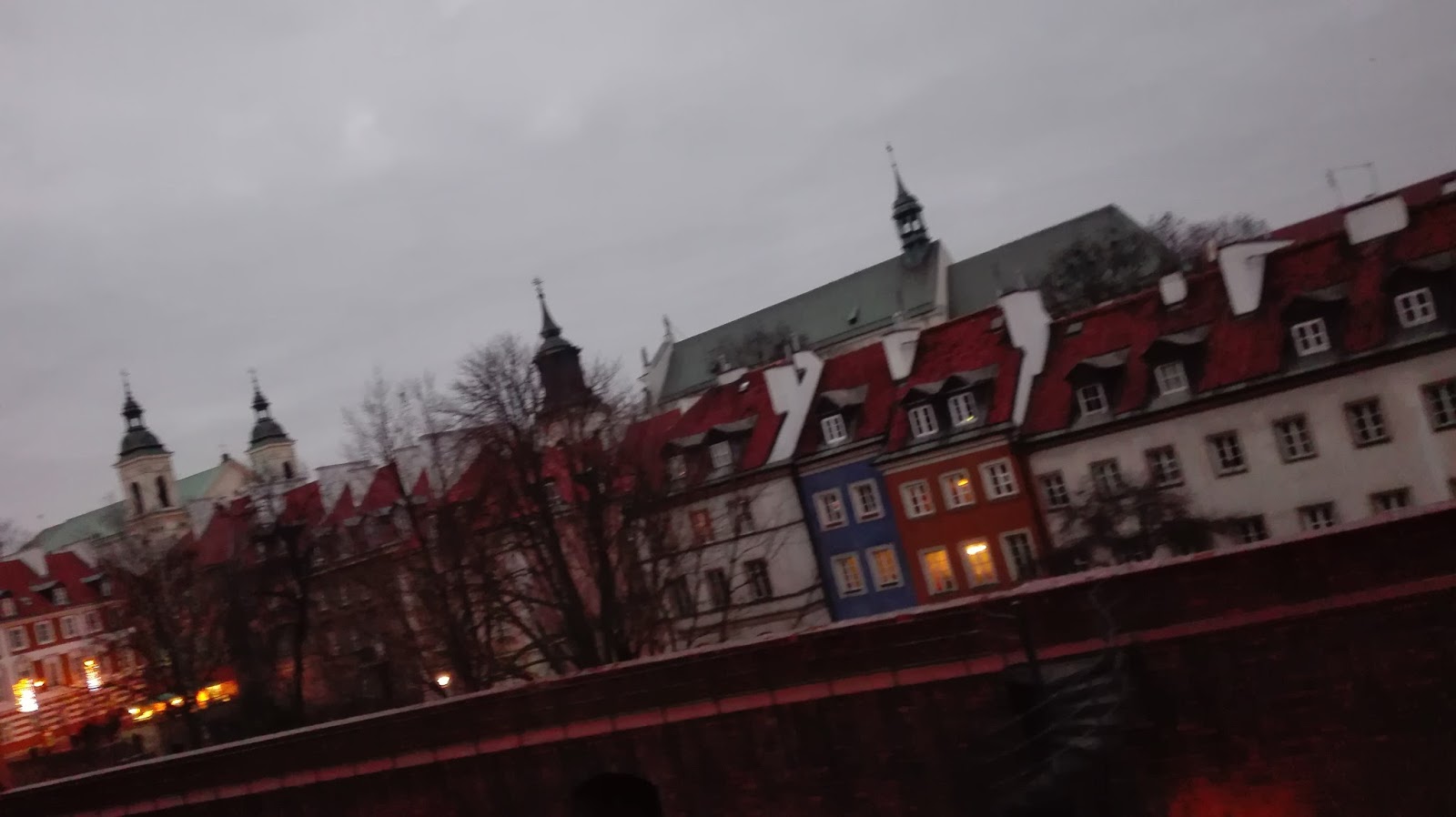
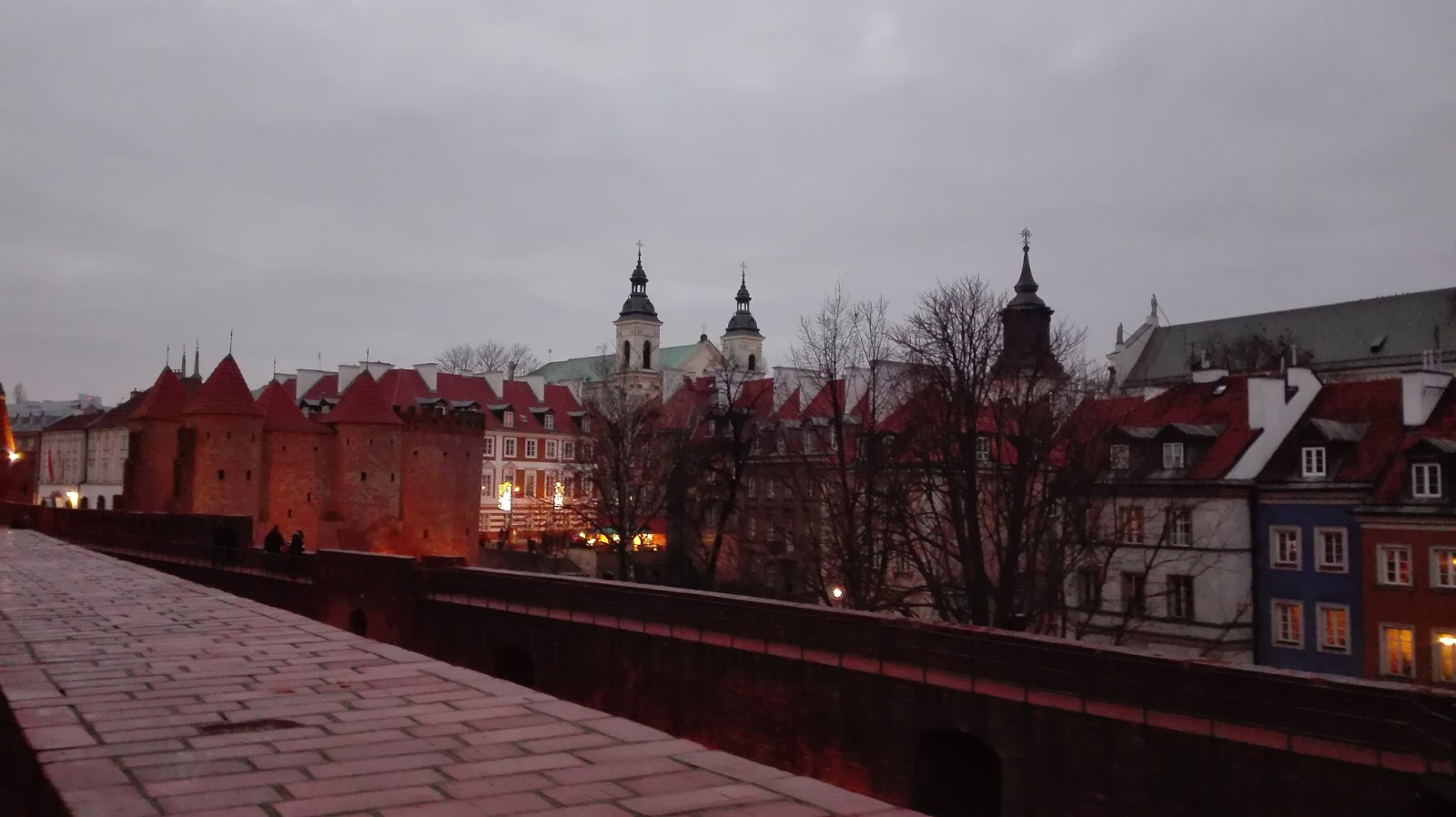
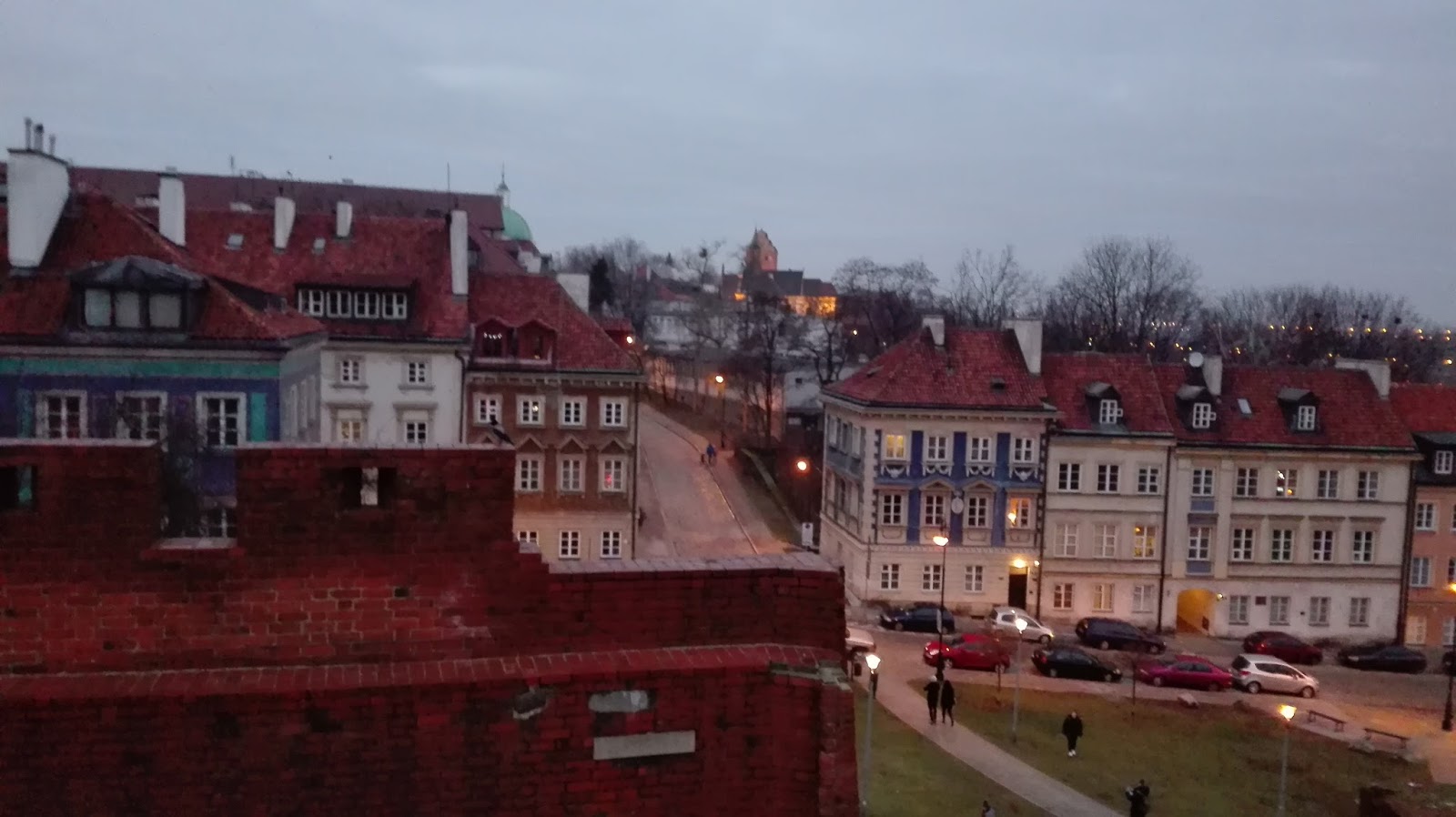
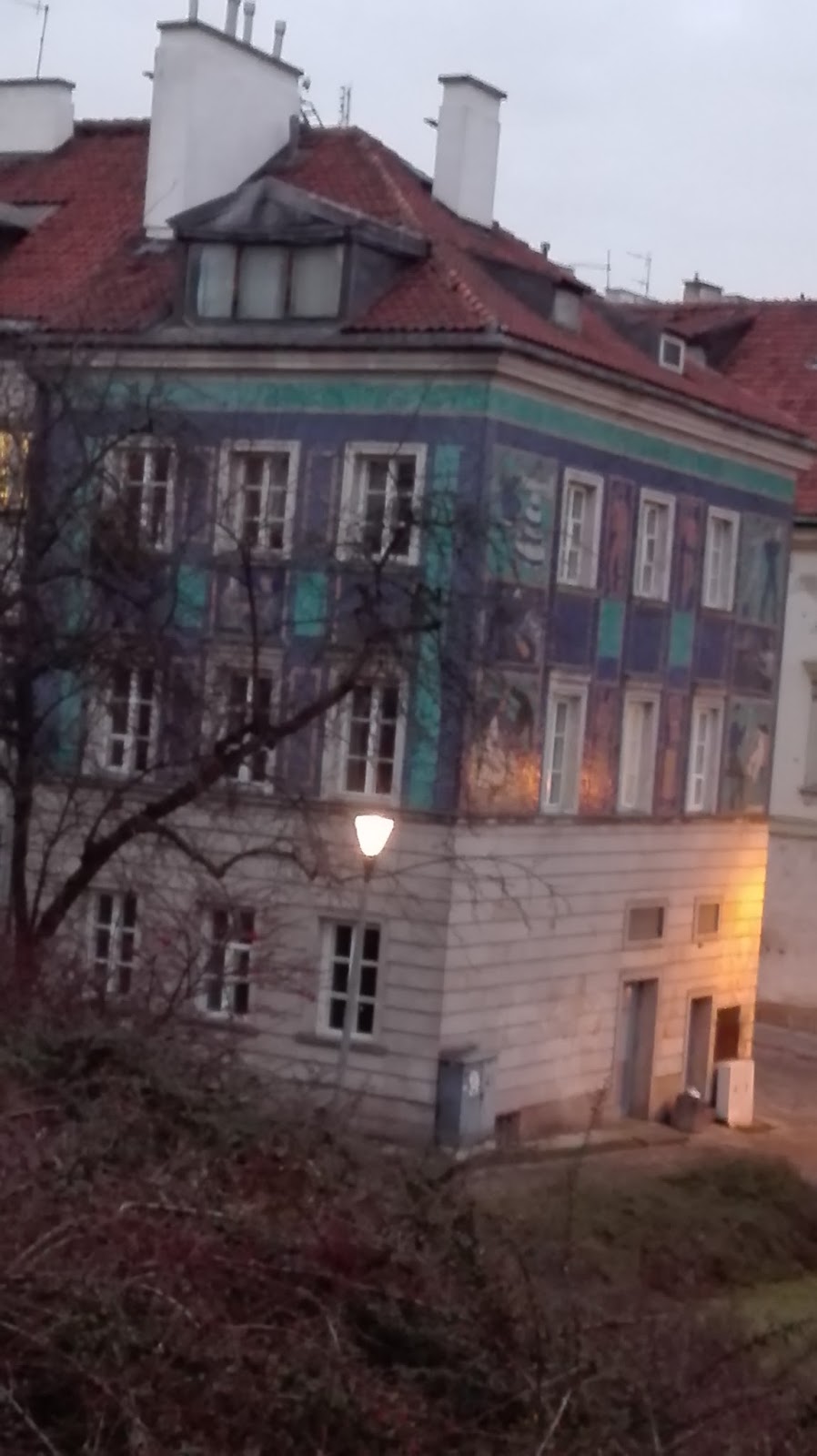
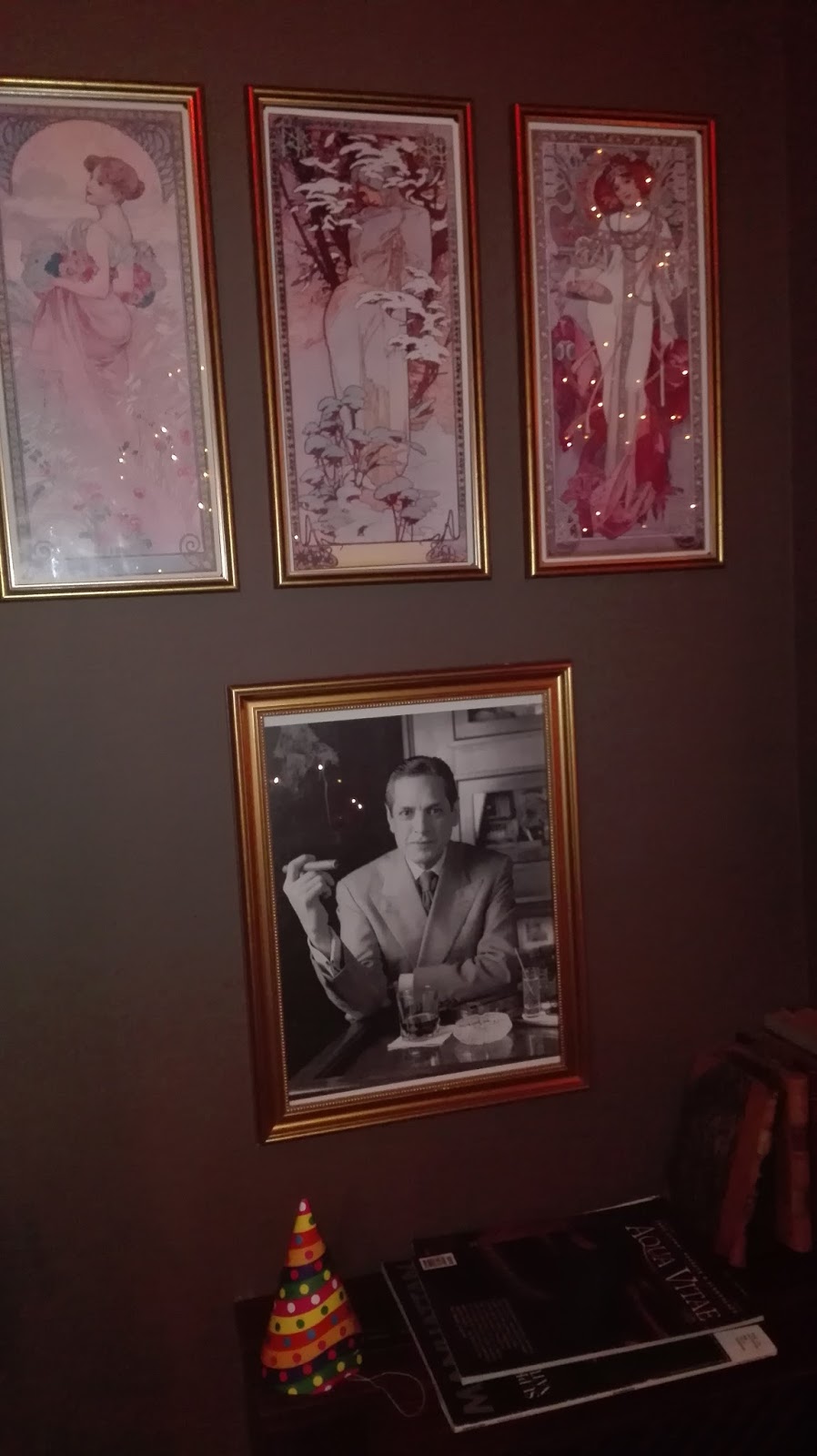
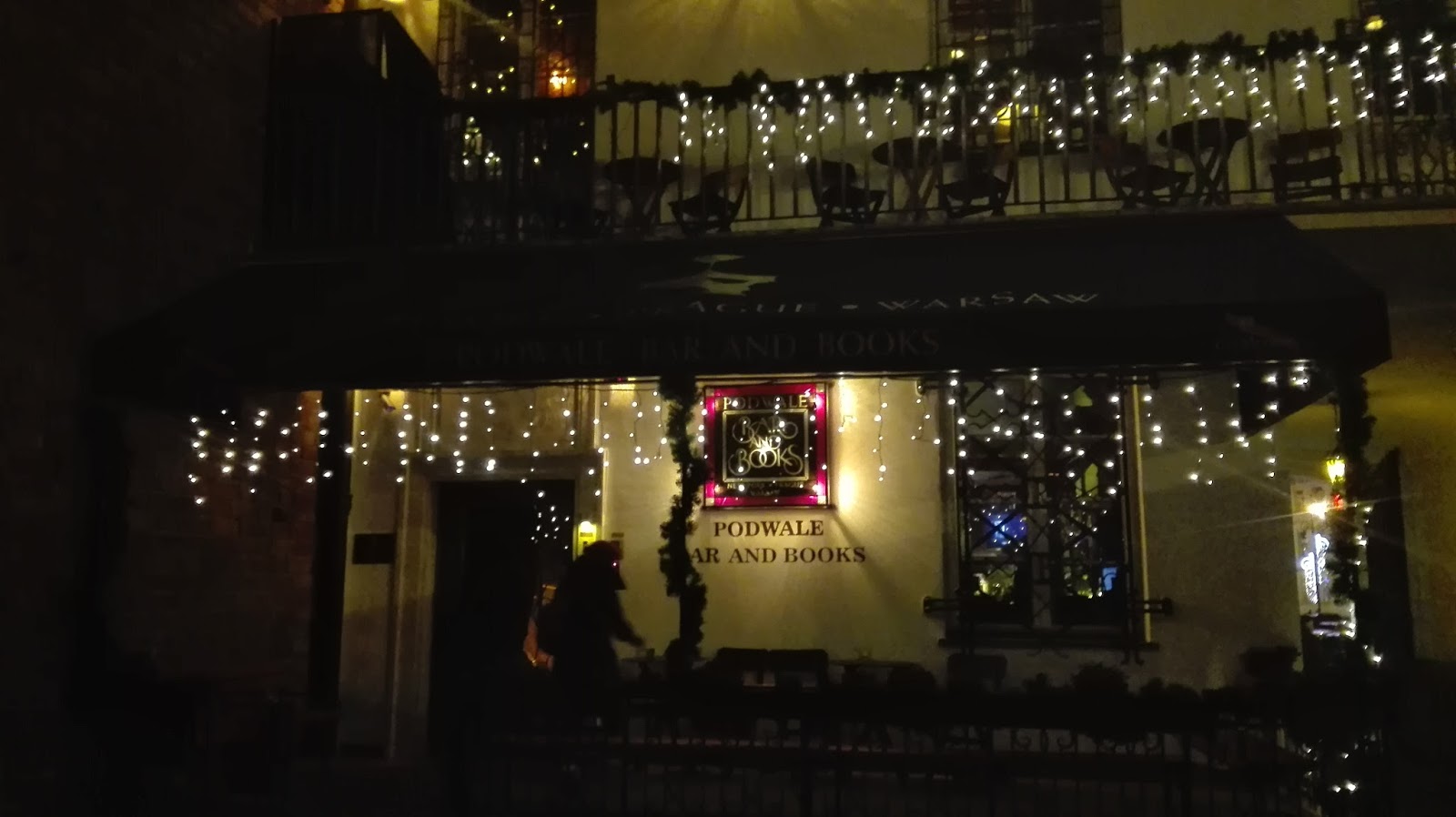
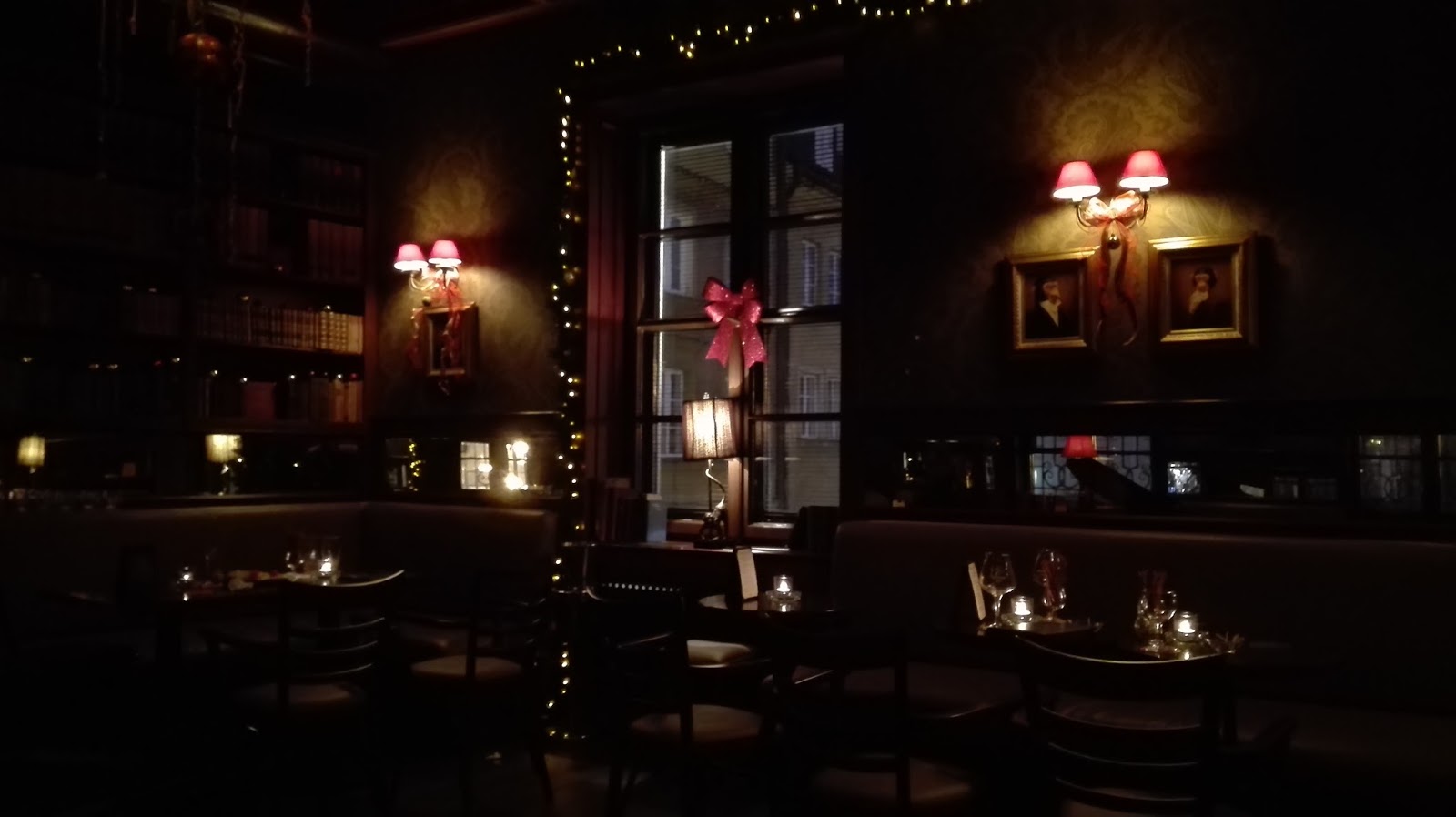
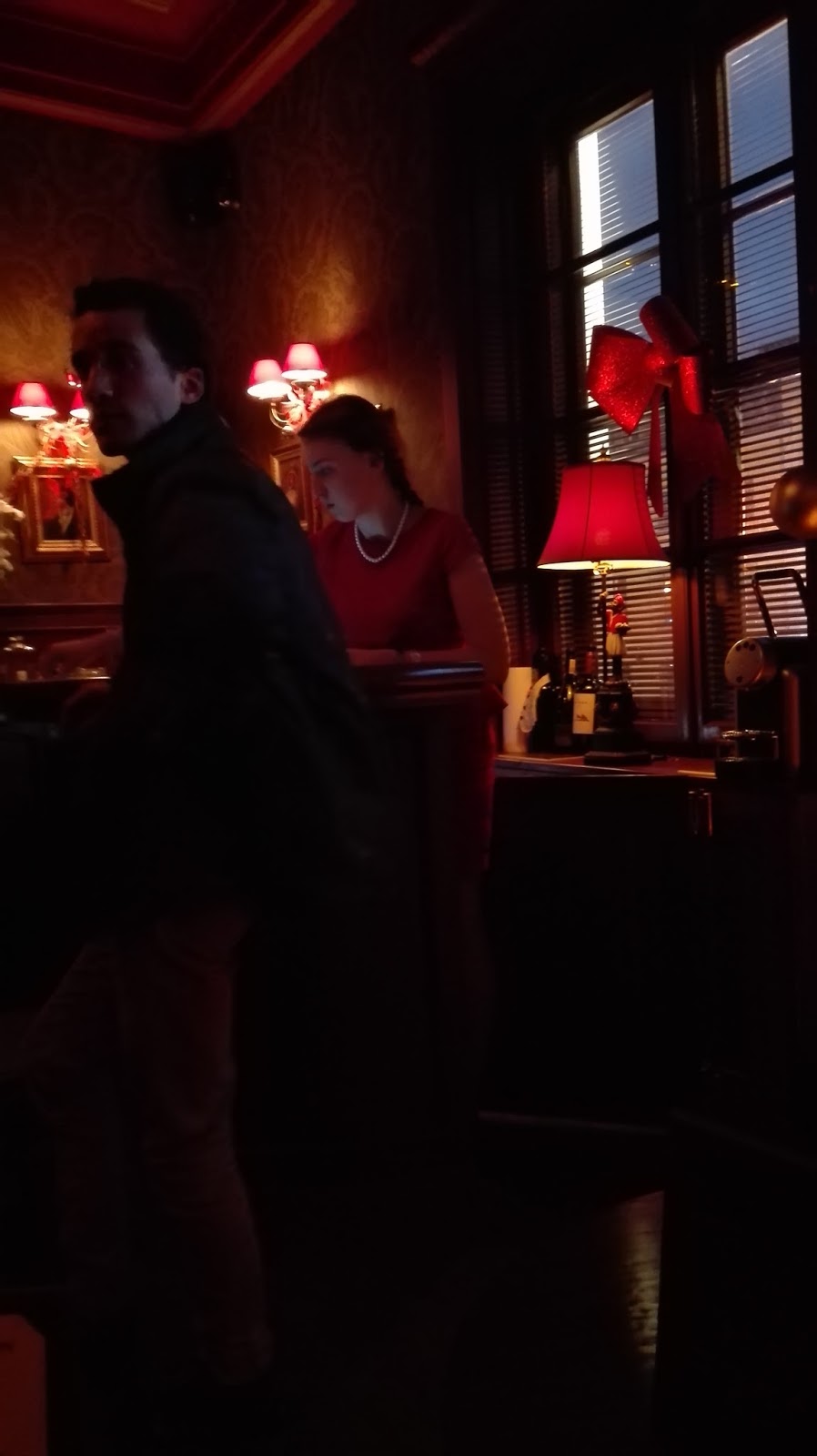
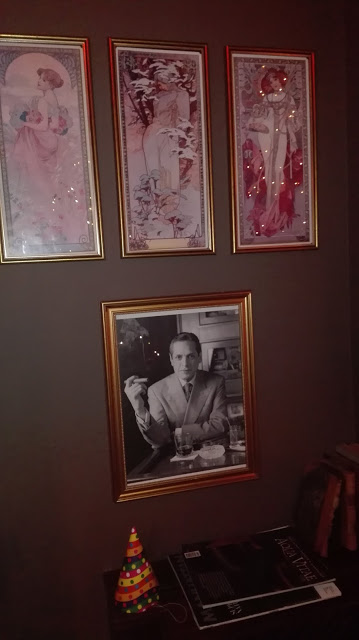
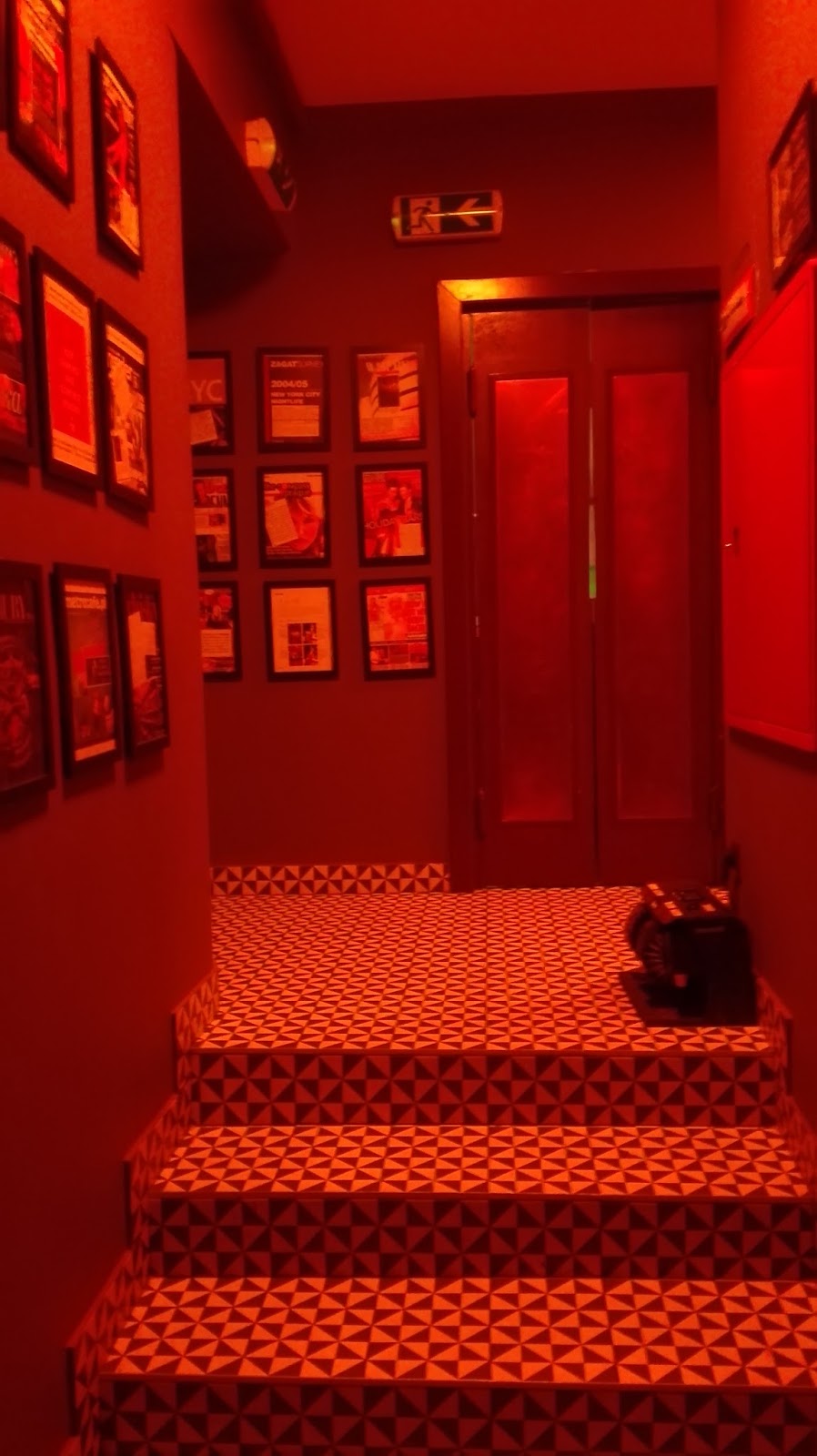
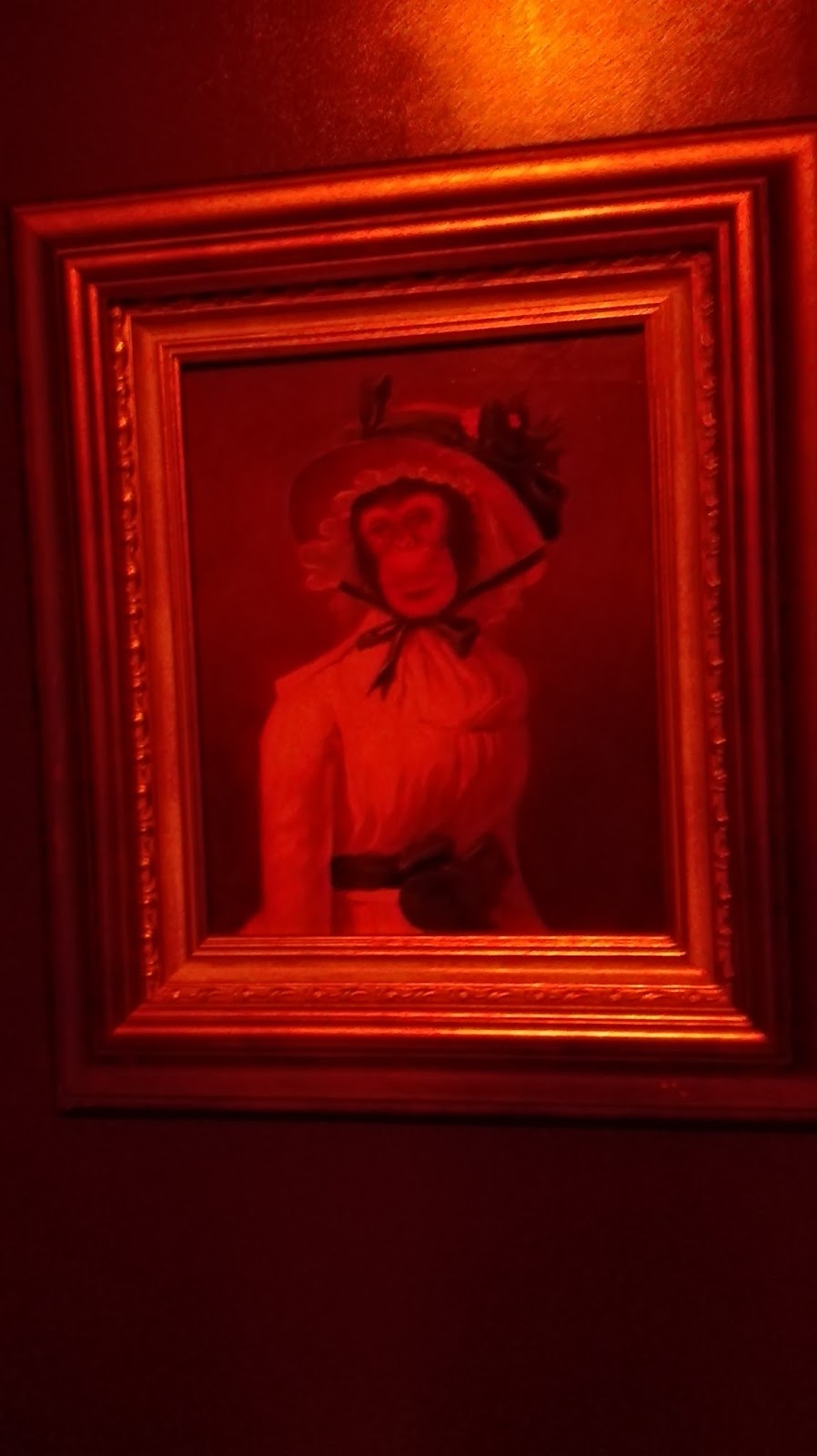
If Al Capone lived in Warsaw…this would be his ‘headquarters’…
Podwale Bar and Books


 |
|
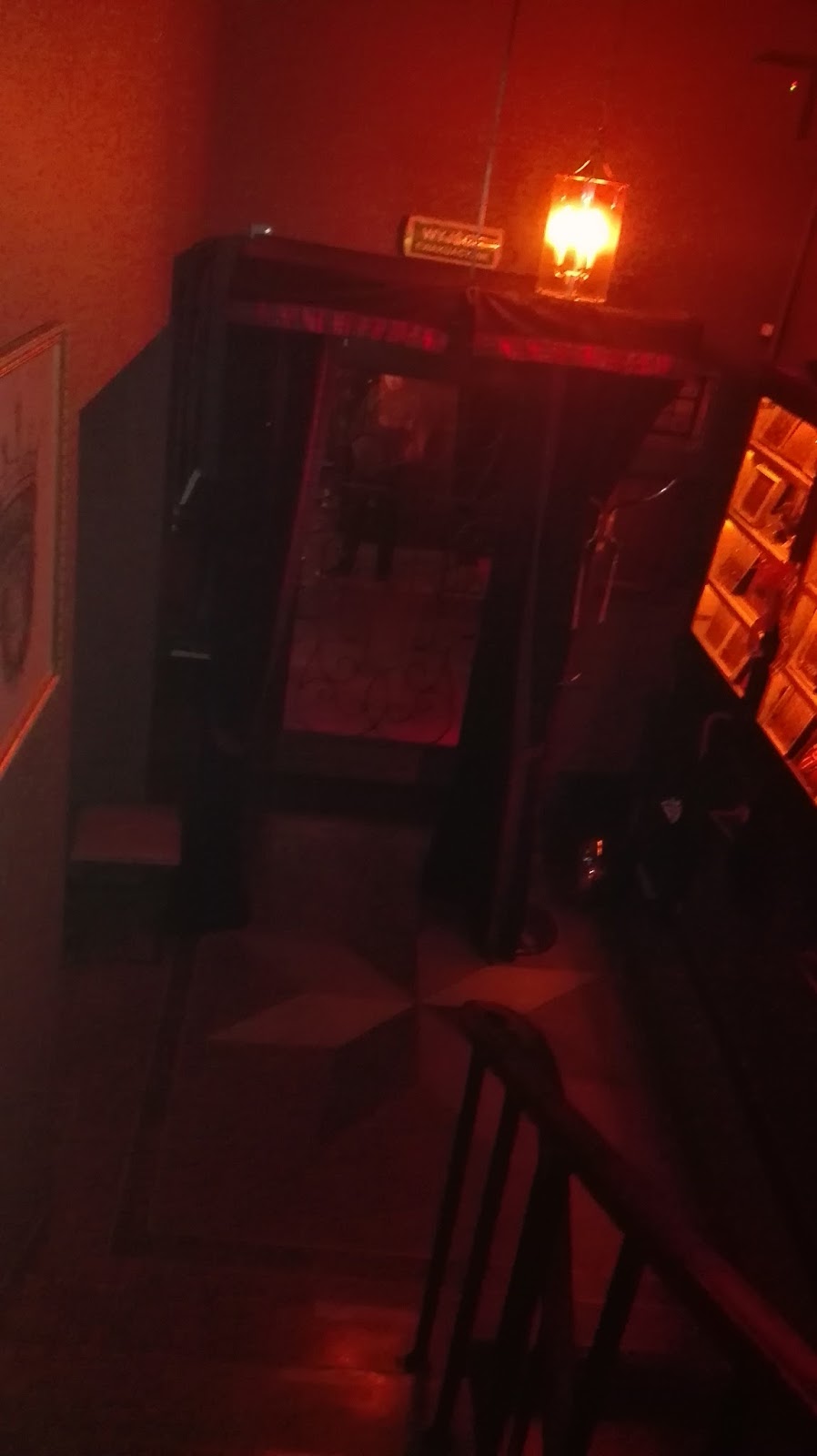
Quiz
the pictures bellow are:
a. private room for illegal couple
b. available for fans of Proust
(in search of lost time)
c. meditation room
d. other
|
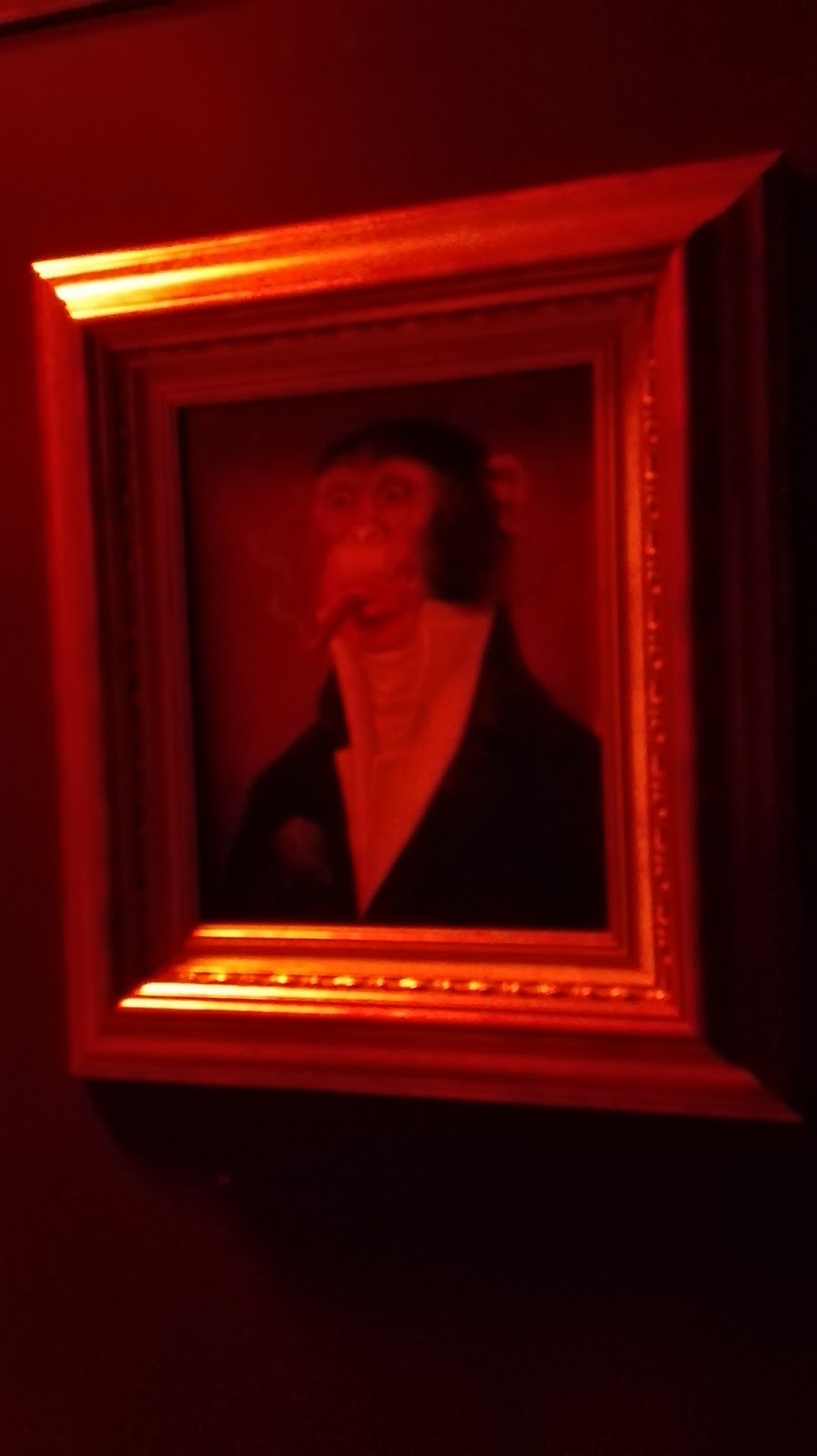
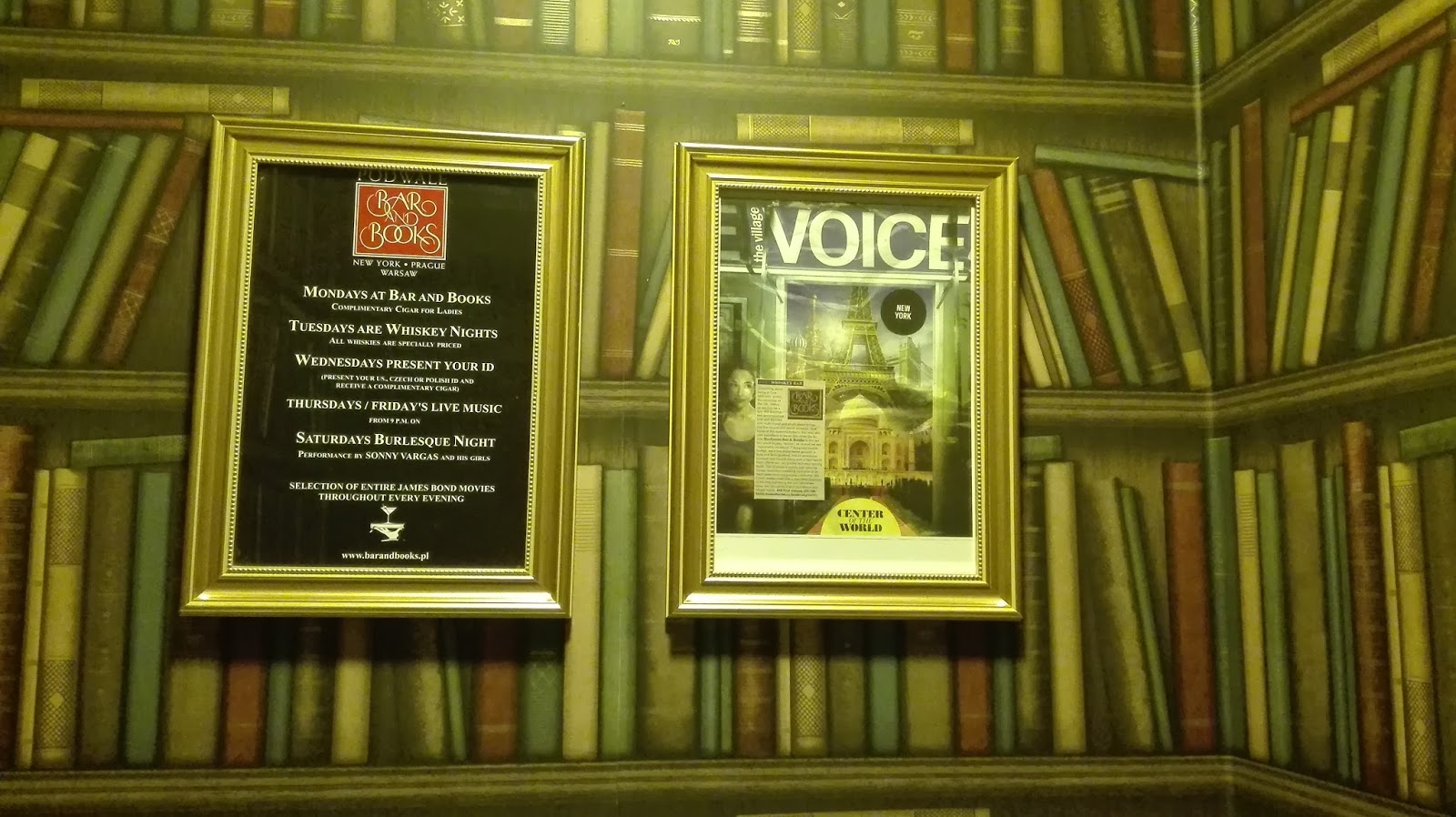
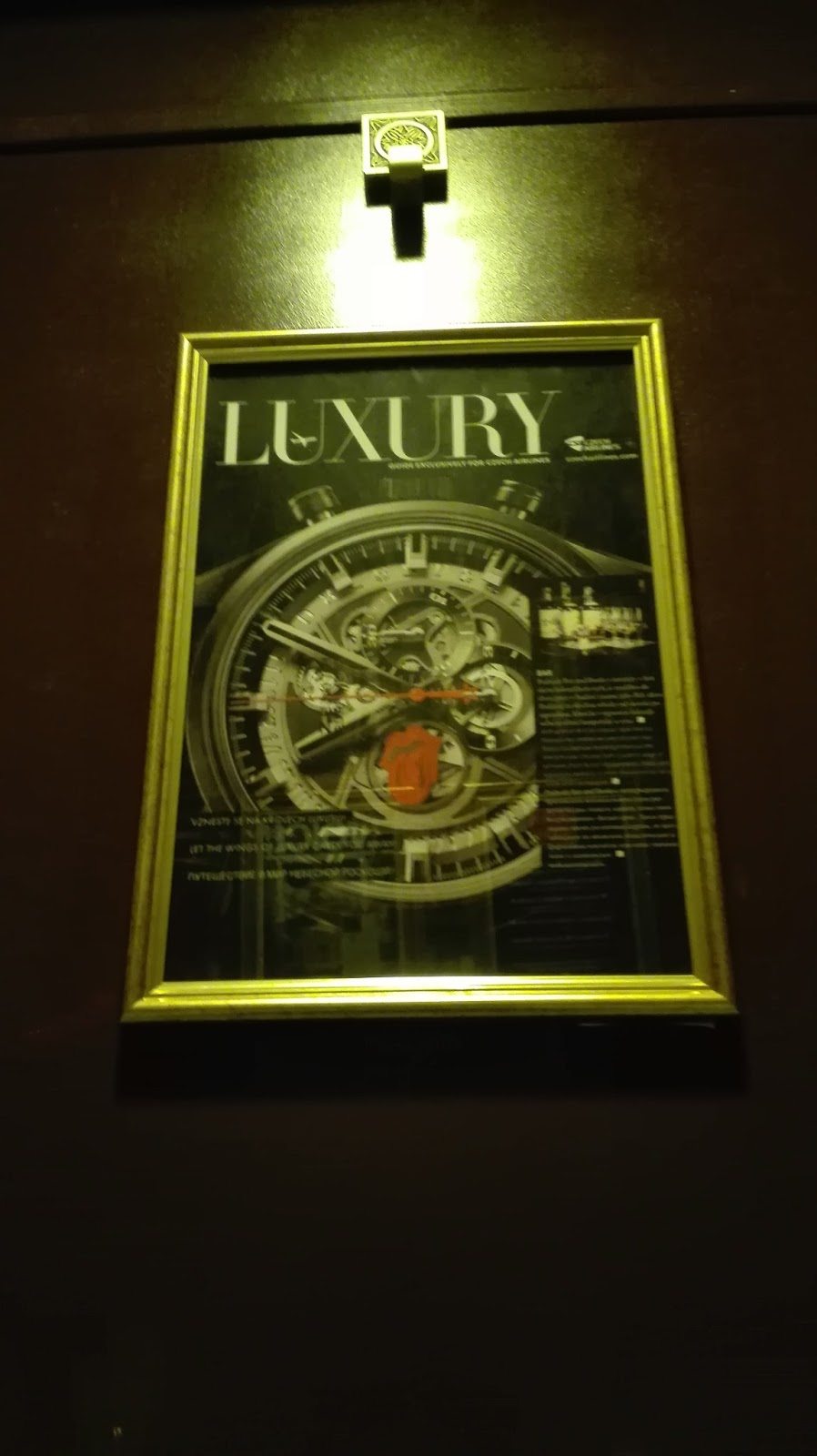
And the answer …
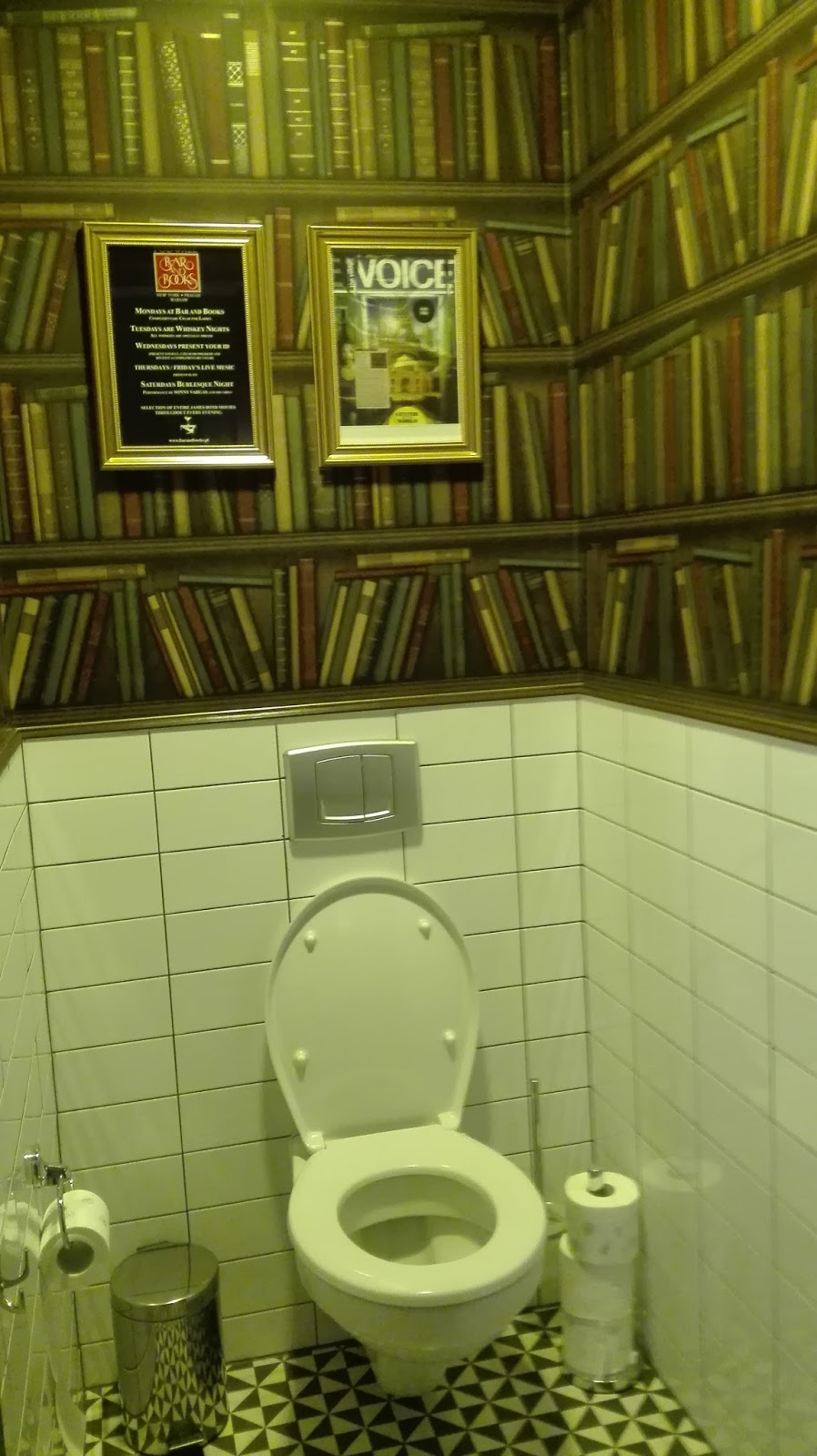 |
| awesome!!! |

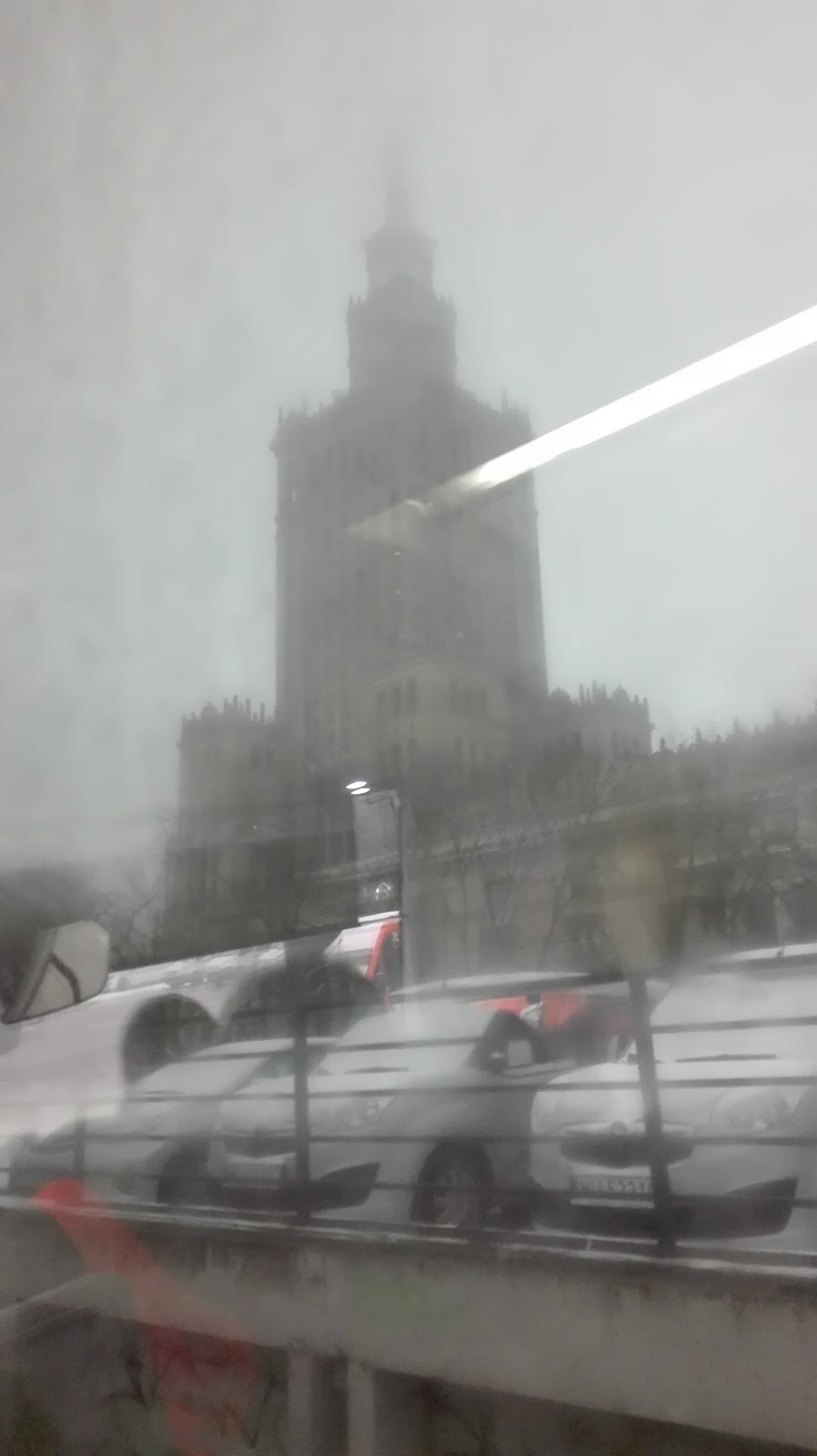
Snowing morning…and the shadow of Stalin…

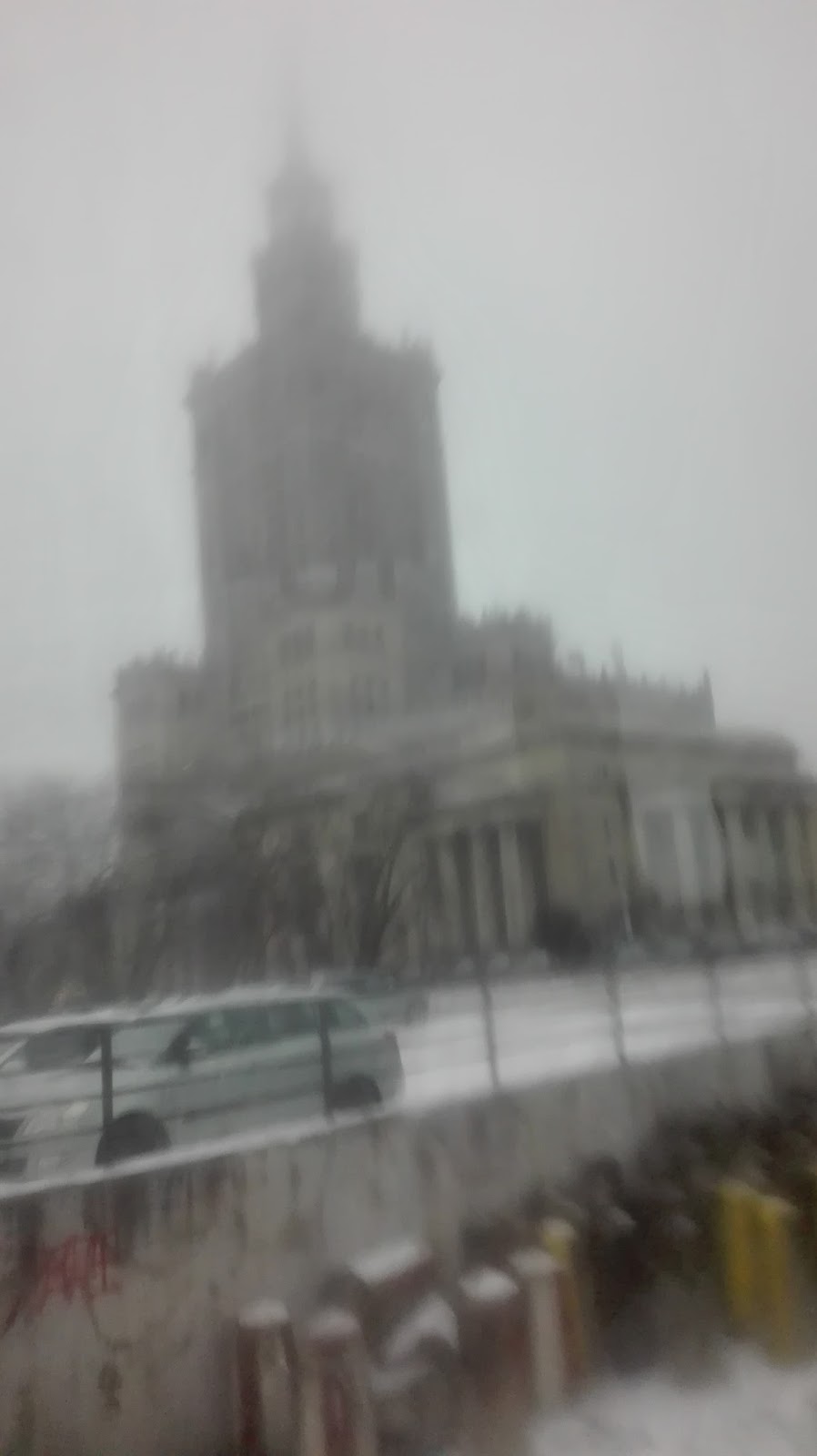 |
| The Palace of Culture and Science |
The palace is a gift from the Soviet Union to the people of Poland. Construction started in 1952 and took three years. Back then controversy erupted in Poland over the ‘gift’ that society couldn’t refuse, as the whole country was dominated by Soviet Union. Over 550 ornamental sculptures decorate the building. The monumental walls are topped with pieces of masonry copied from Renaissance houses and palaces of Krakow and Zamosc. It took 3.500 Soviet workers to complete the 230 meter- tall building. Sixteen builders died during construction. Forty million bricks were used to build the Palace, which was also known as ‘the people’s castle».
http://www.civitas.edu.pl/collegium/en/our-university/why-us/about-the-palace-of-culture-and-science
http://www.civitas.edu.pl/collegium/en/our-university/why-us/about-the-palace-of-culture-and-science
 ninetasland.com