
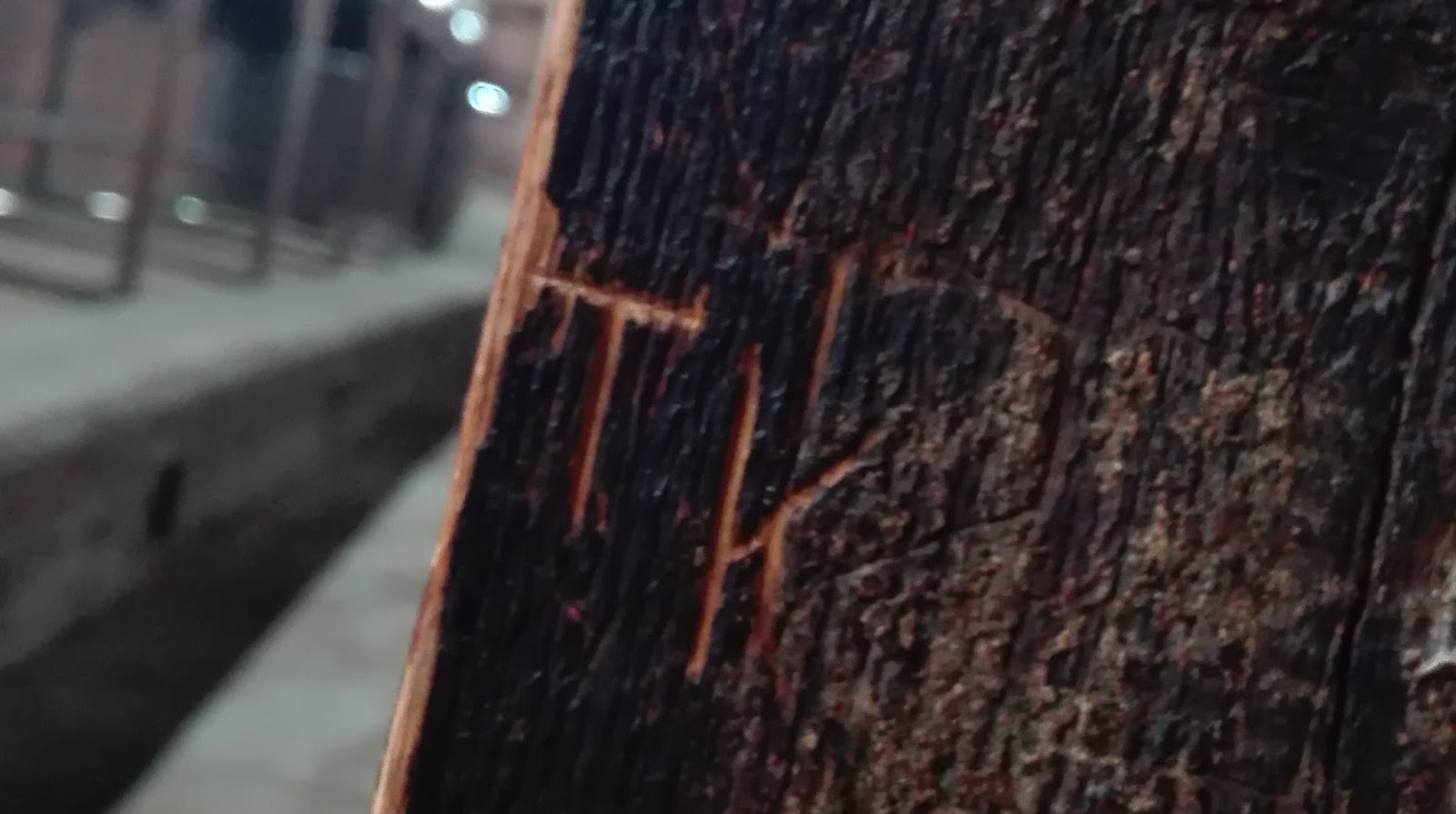
In Auschwitz II- Birkenau …
…and the mystery of a trace…
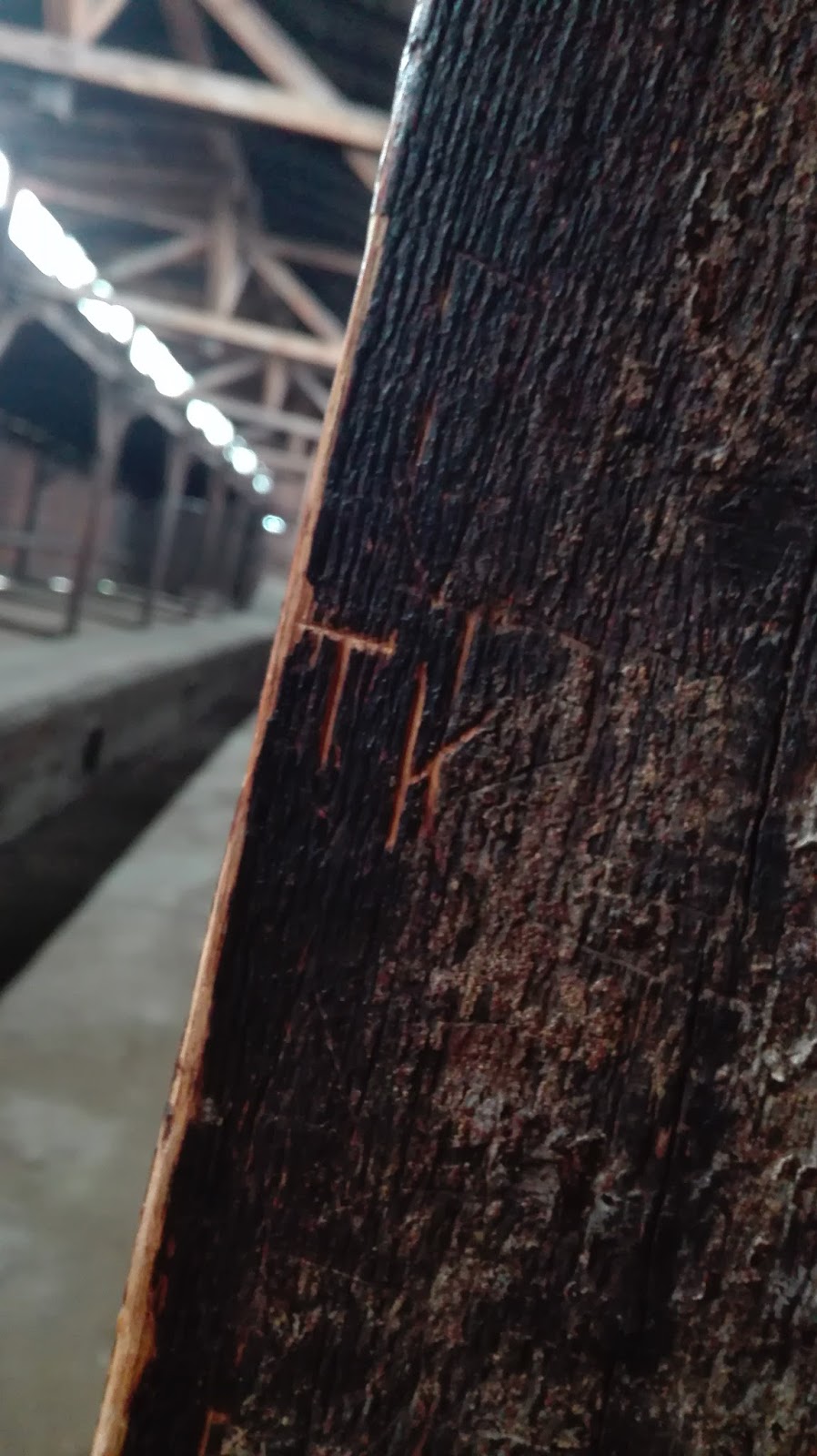
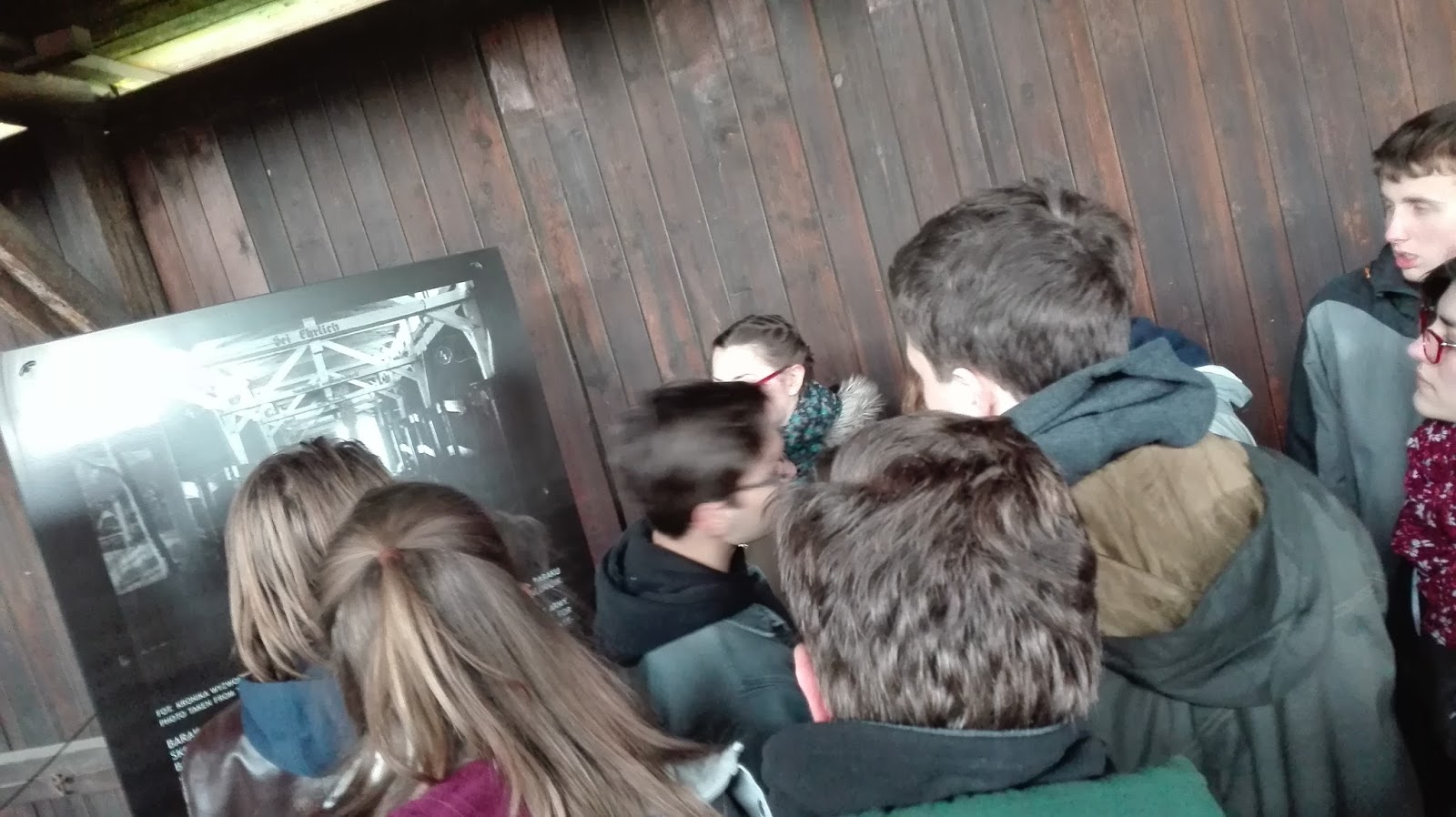
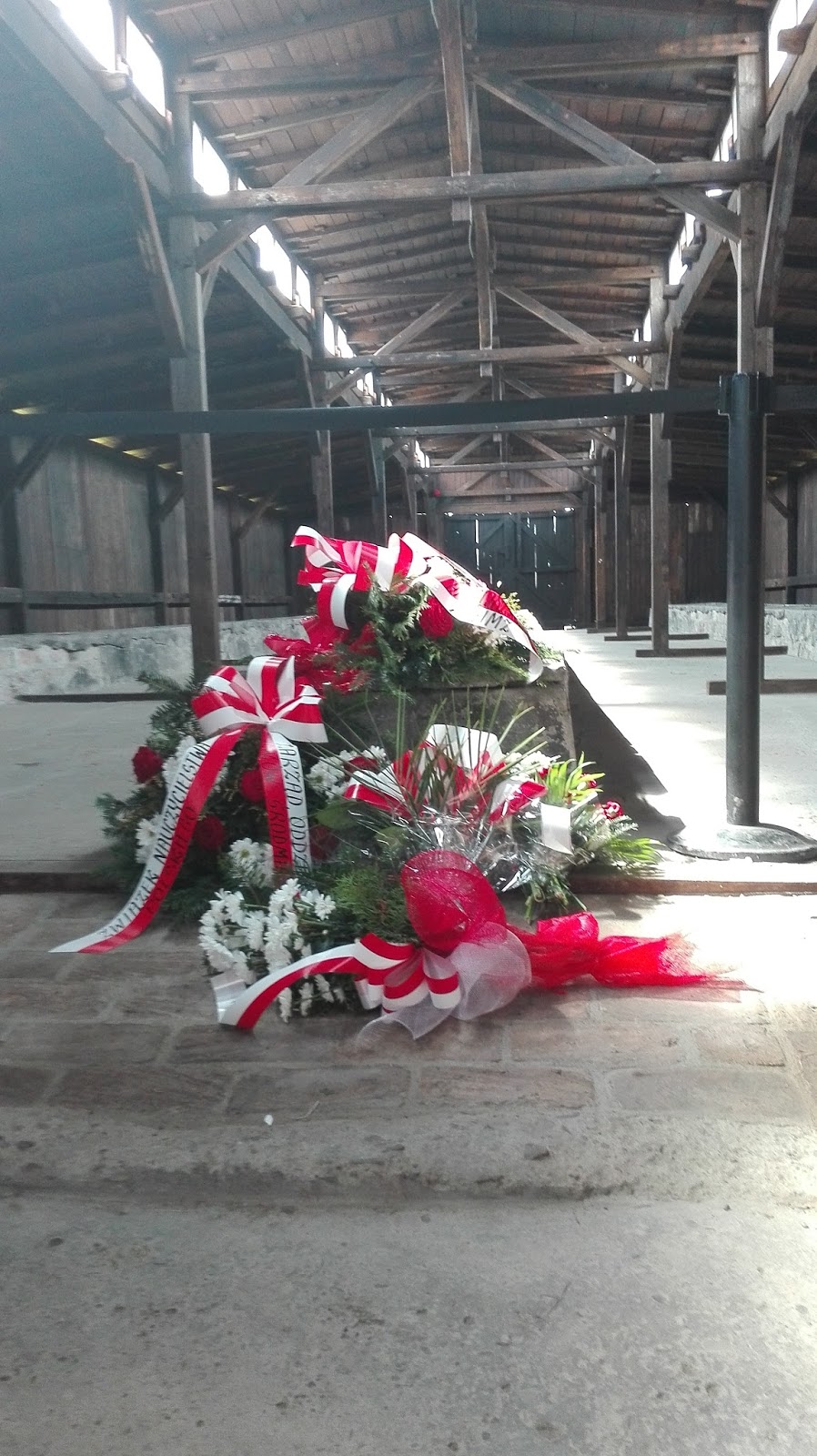
Inside a barrack in Birkenau
Probably, the initials of someone’s name…A trace from the past or the present? Inmate or a tourist? Despair? Or vanity? The desire to leave our mark? Seeking to be remembered?
Back then…herded…an entrance without exit…
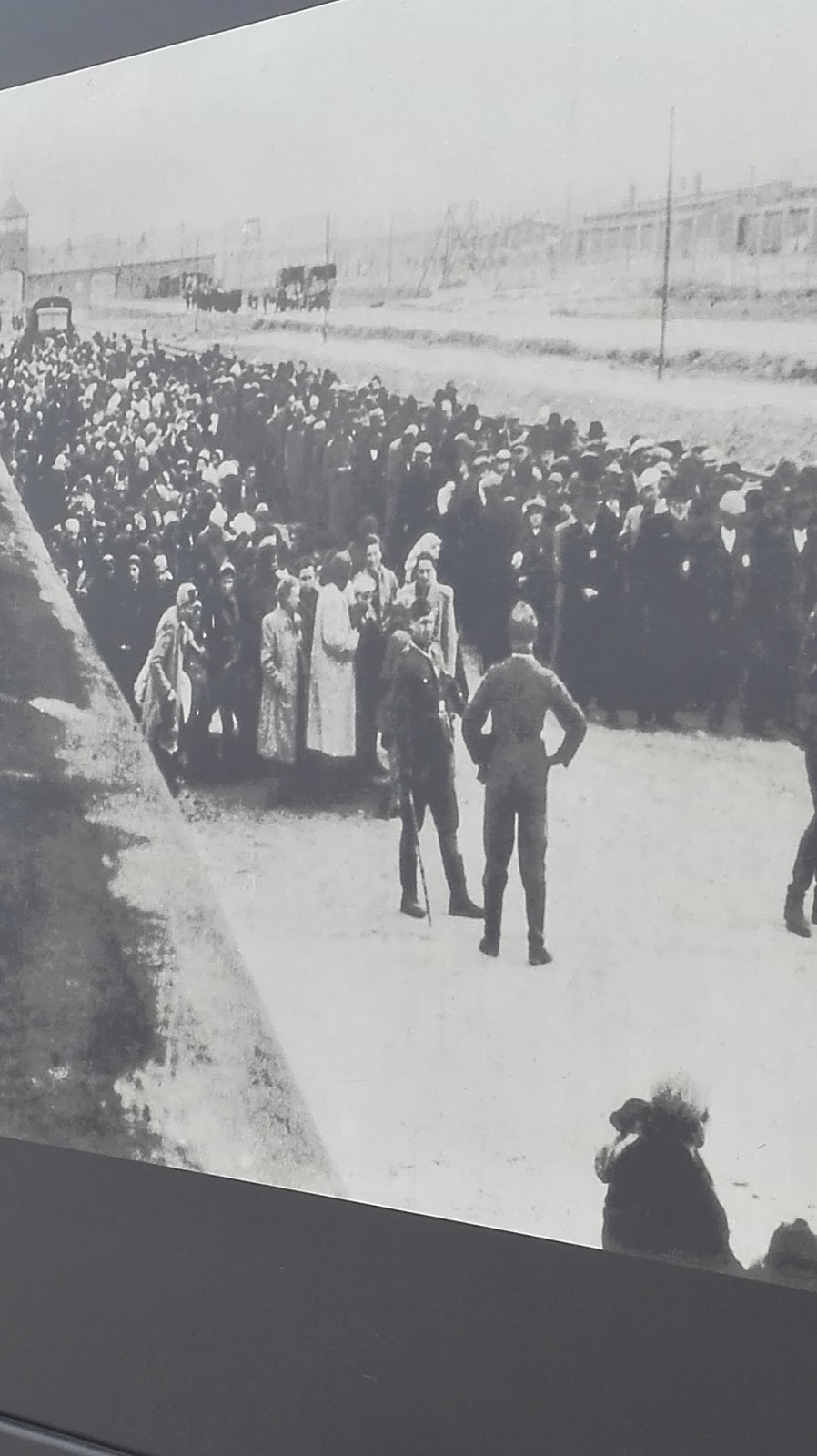 |
in the entrance of Birkenau
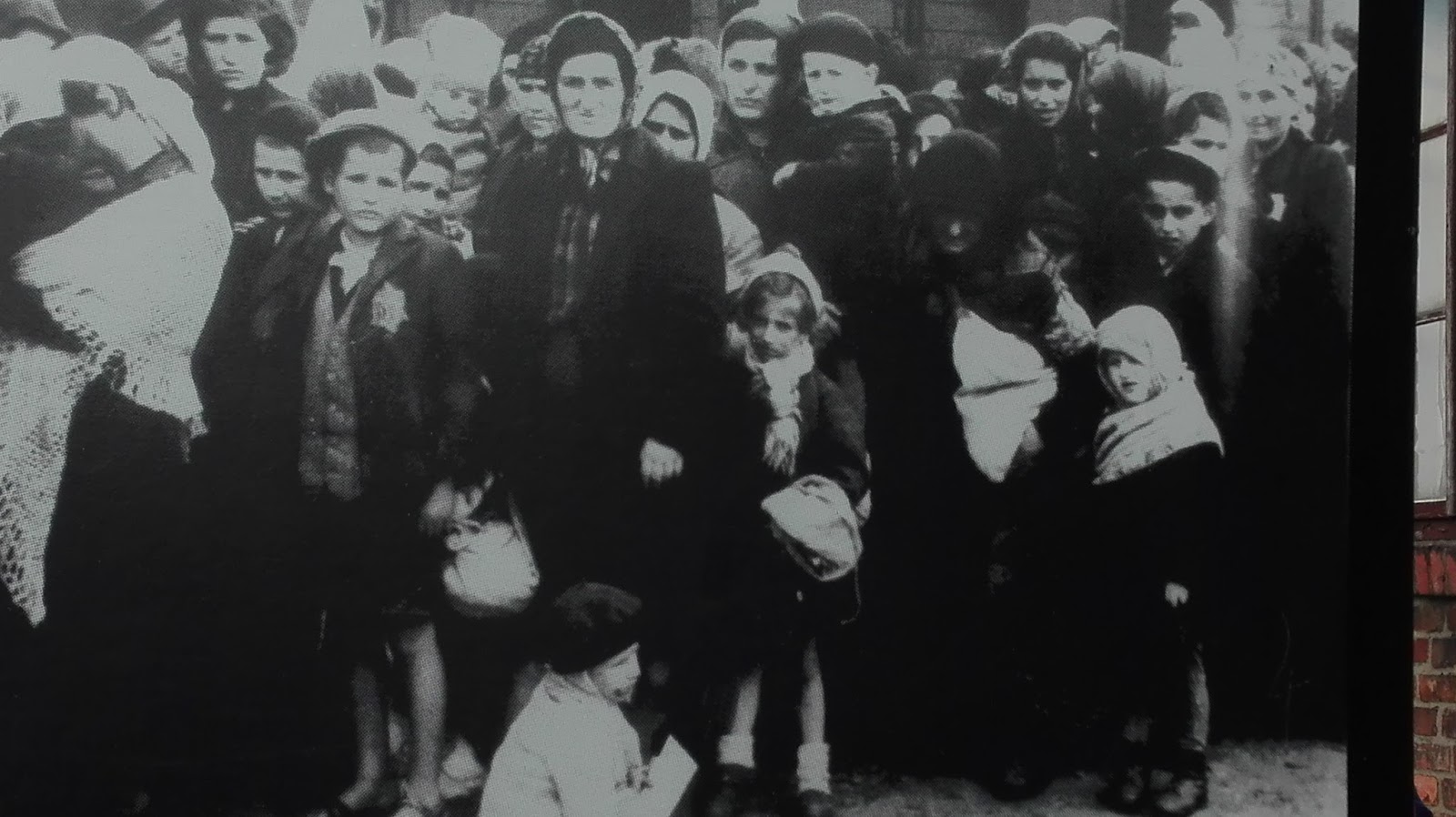 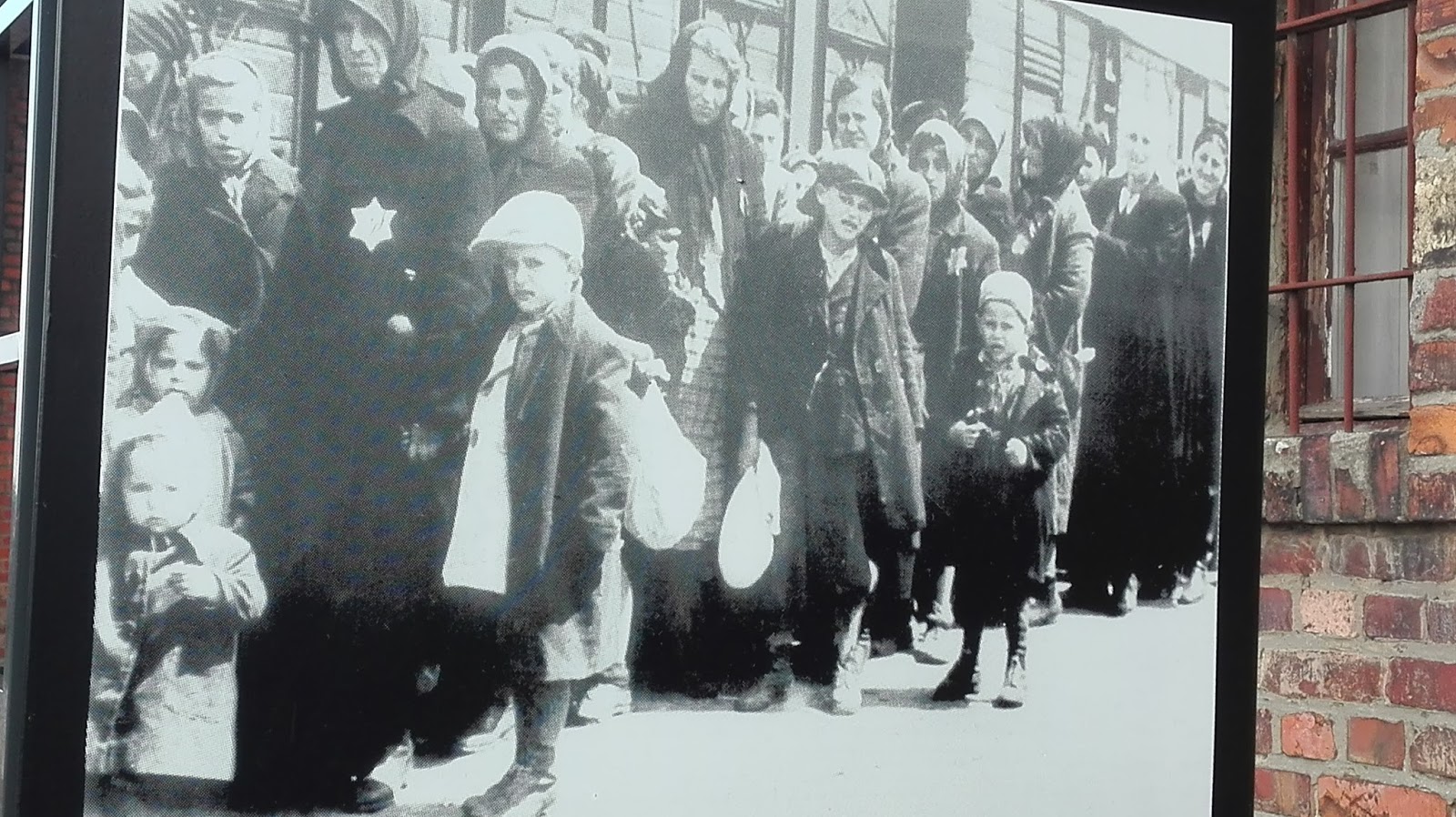 Today…herded… we walk in and walk out at will…
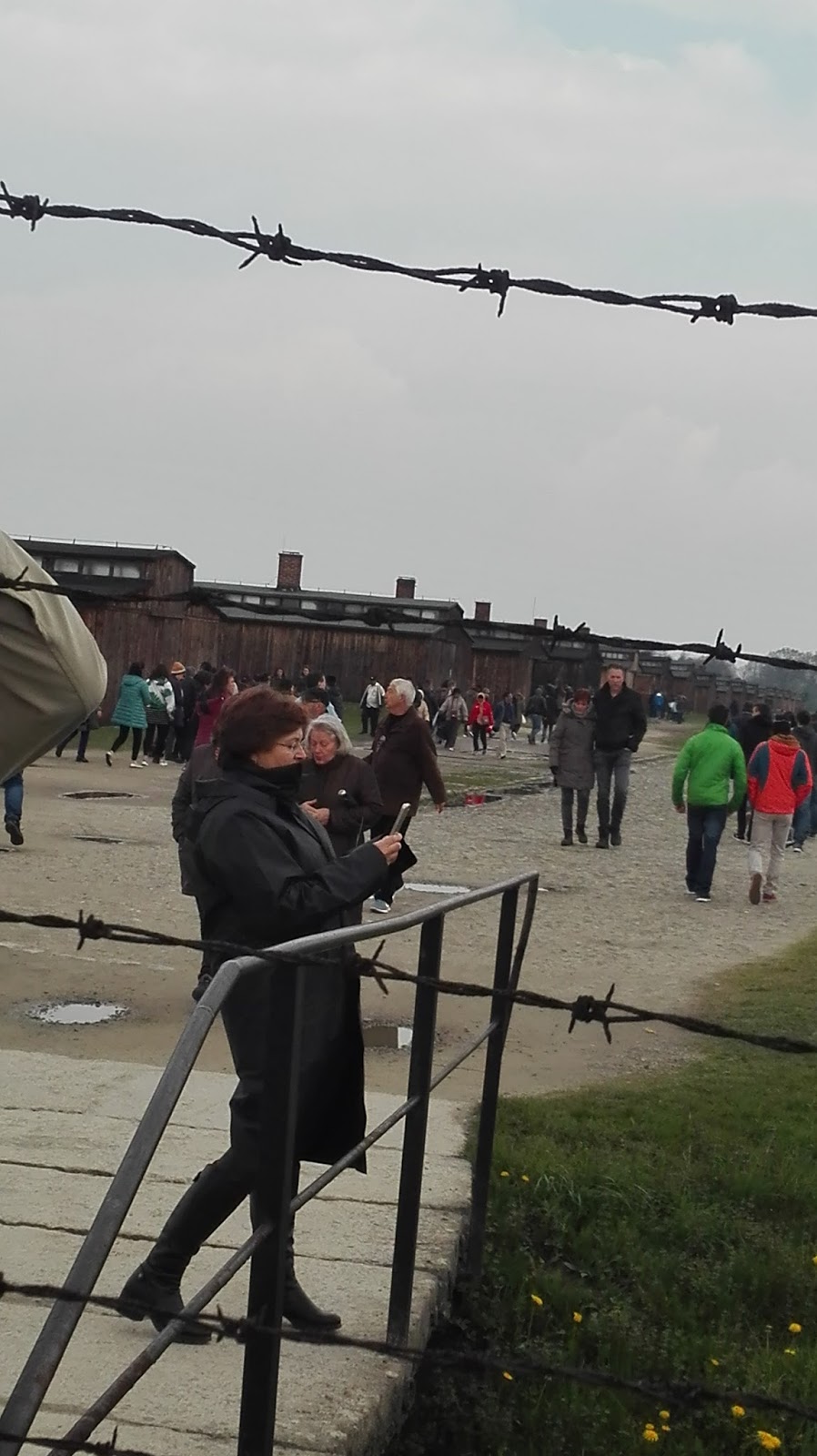
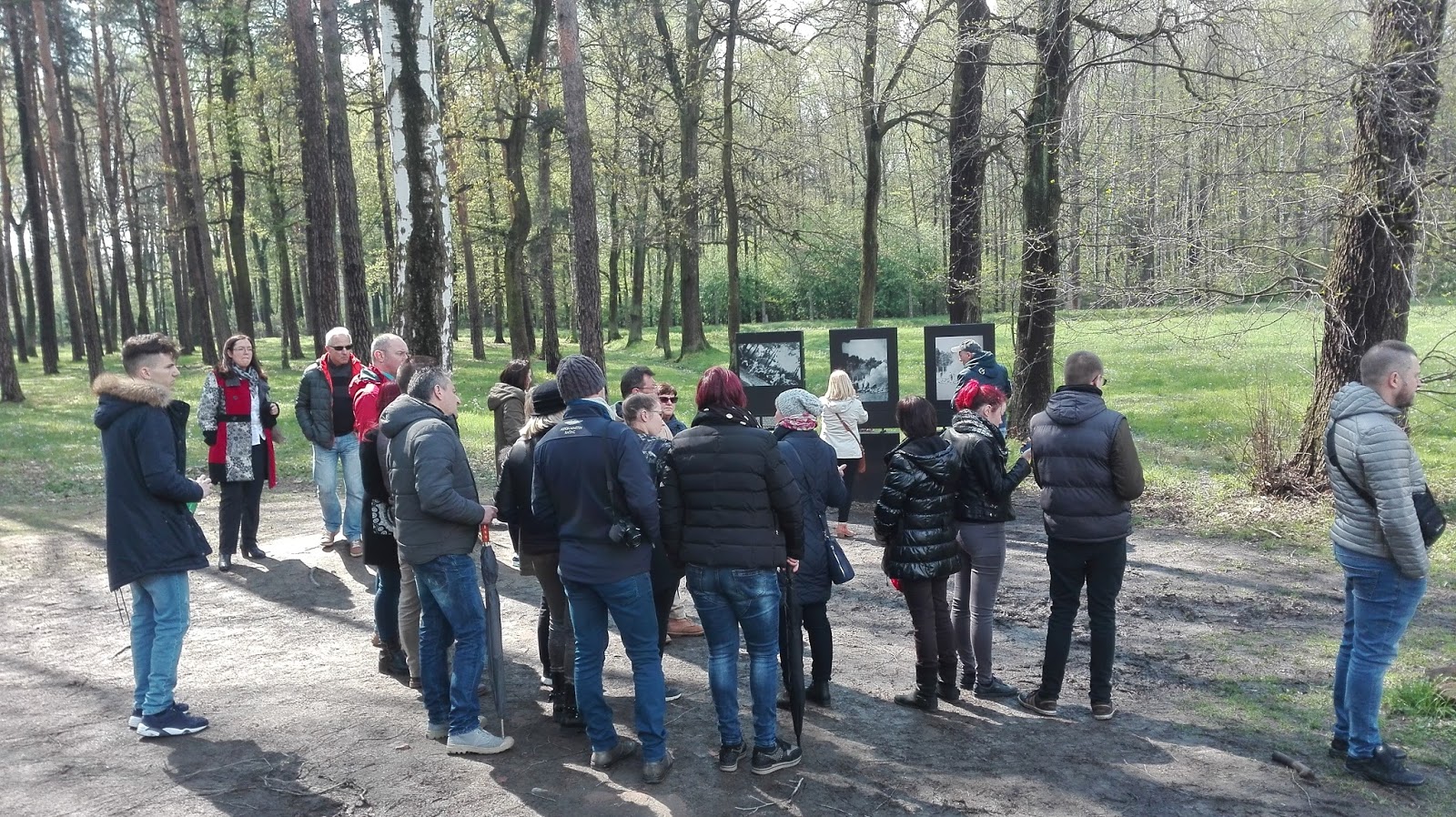
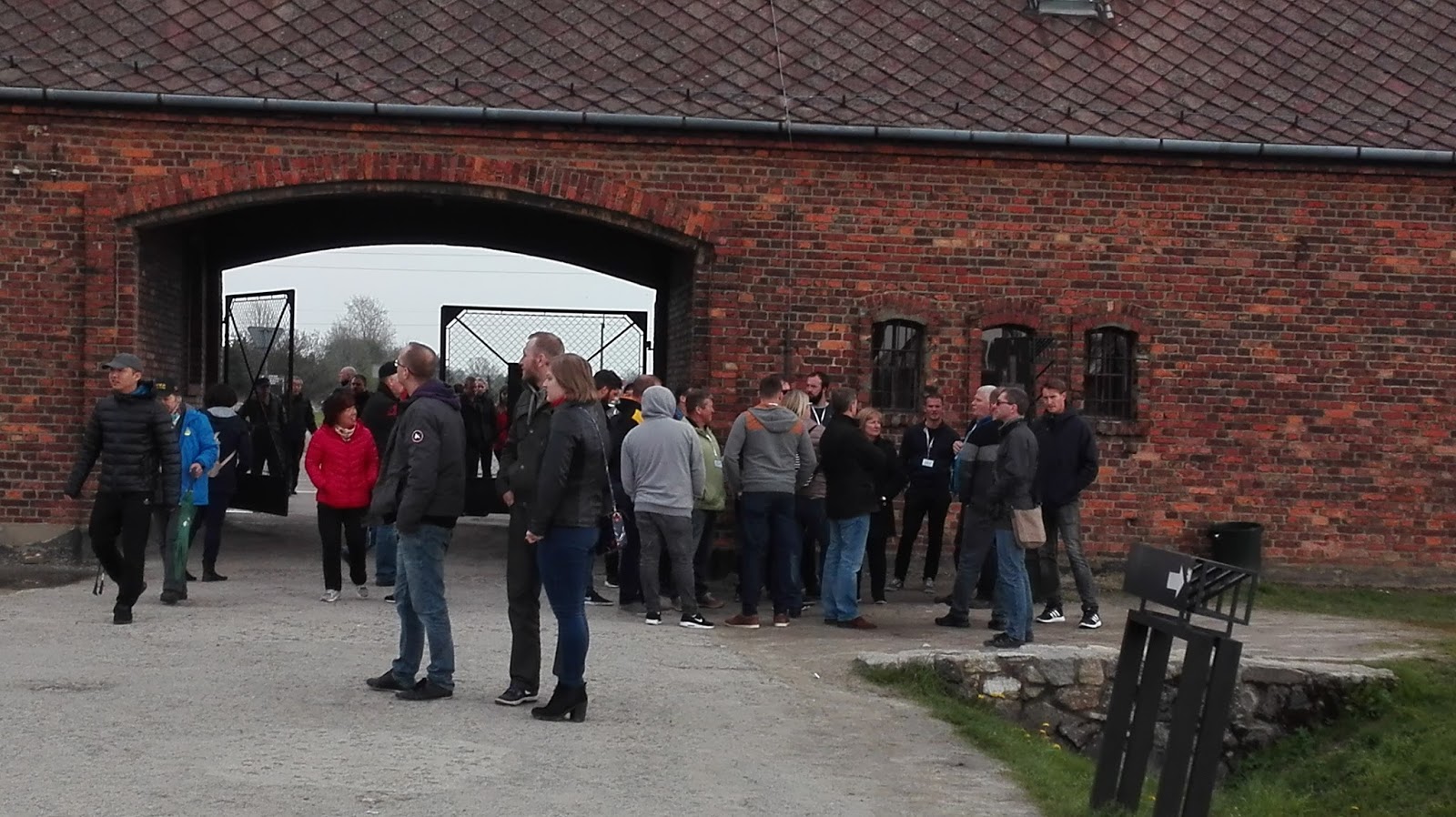 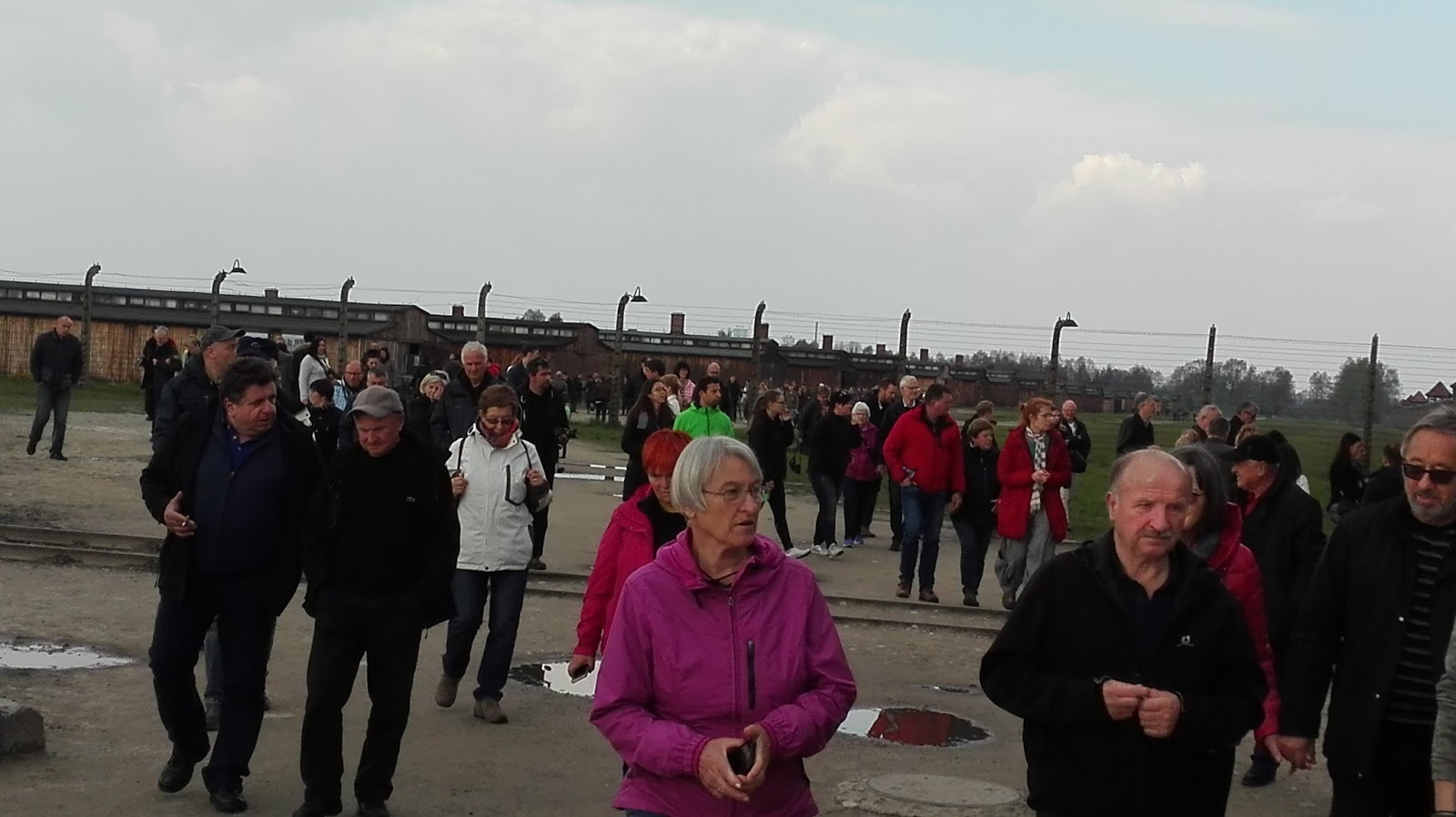 Travellers from around the globe trek through former conencentration camps. What brings us here, in a factory of torture and death?
What we have watched, read, heard? A call of duty? Is it curiosity? To see firsthand? The tourist to do list? The greedy desire to consume products, information, feelings and experiences? Seeking a bone- chilling experience? A kind of an emotional bungee jumping in history? The lingering smell of blood and despair?
How far am I from the victim? How far am I from the perpetrator? It could be me. In both sides. Or not?
 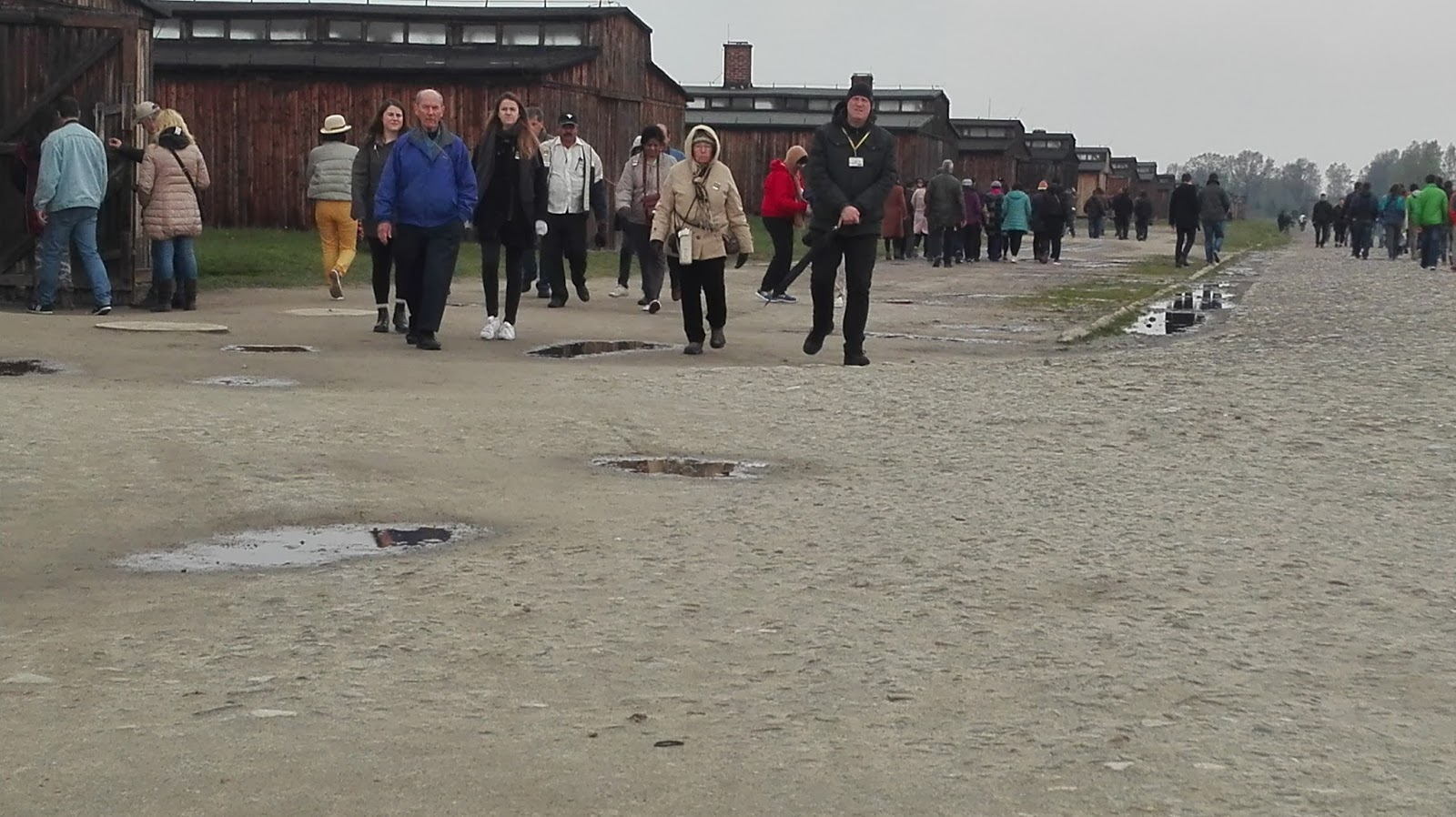 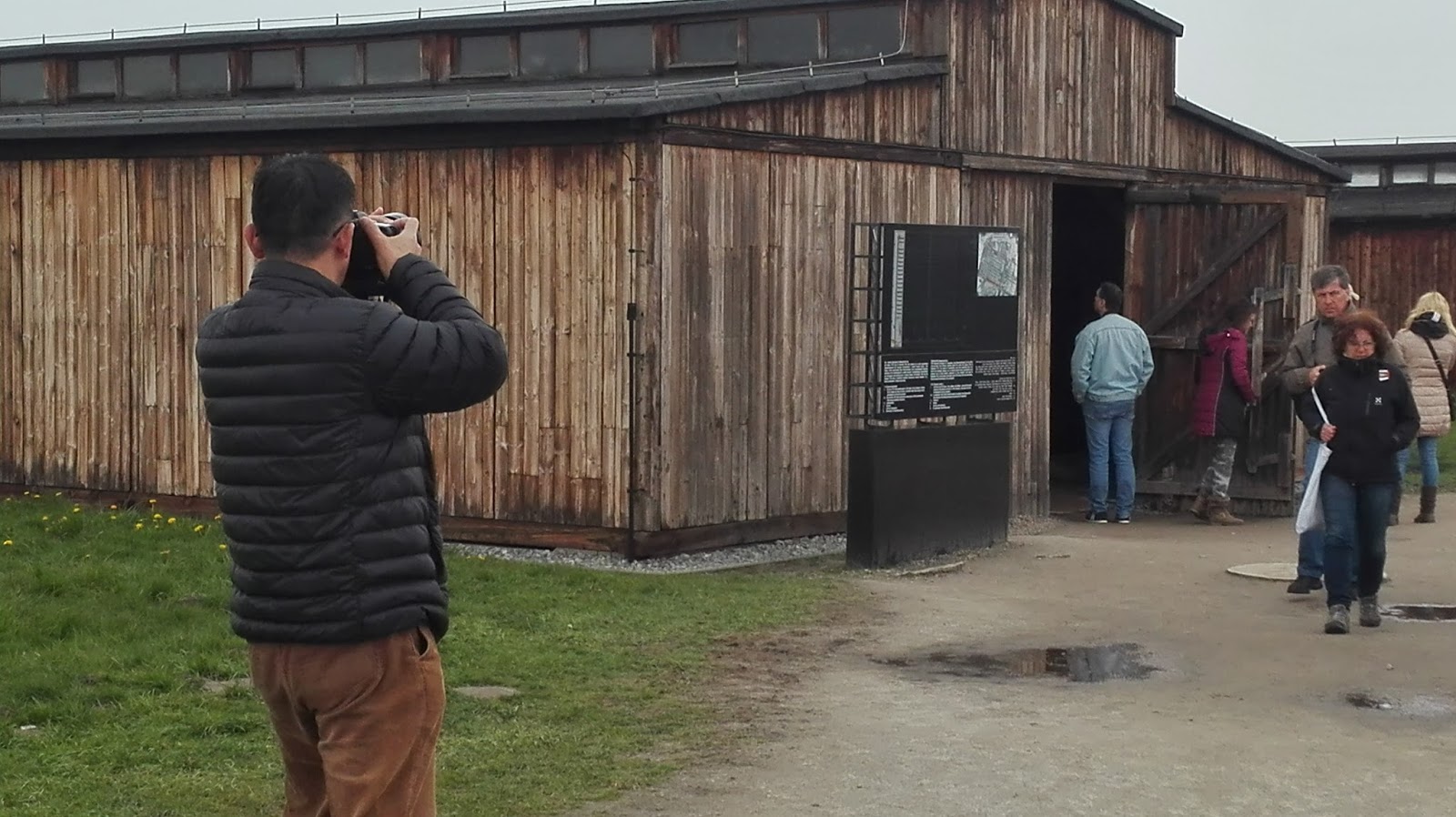 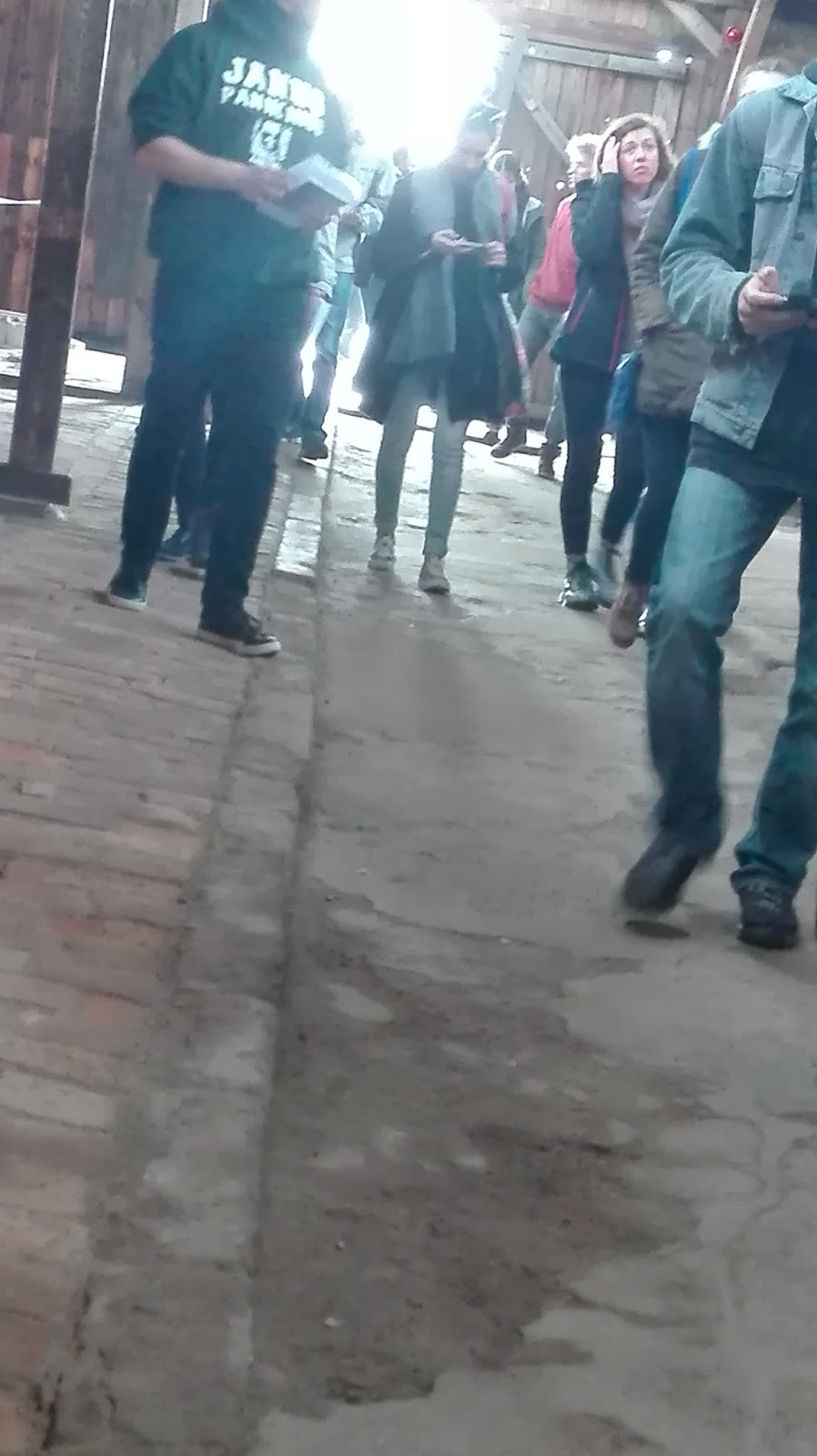 All over the world, Auschwitz has become a symbol of terror, genocide, and the Holocaust. It was established by Germans in 1940, in the suburbs of Oswiecim, a Polish city that was annexed to the Third Reich by the Nazis. Its name was changed to Auschwitz, which also became the name of Konzentrationslager Auschwitz.
The direct reason for the establishment of the camp was the fact that mass arrests of Poles were increasing beyond the capacity of existing «local» prisons. The first transport of Poles reached KL Auschwitz from Tarnów prison on June 14, 1940. Initially, Auschwitz was to be one more concentration camp of the type that the Nazis had been setting up since the early 1930s. It functioned in this role throughout its existence, even when, beginning in 1942, it also became the largest of the death camps.
Division of the camp
The first and oldest was the so-called «main camp,» later also known as «Auschwitz I» (the number of prisoners fluctuated around 15,000, sometimes rising above 20,000), which was established on the grounds and in the buildings of prewar Polish barracks;
The second part was the Birkenau camp (which held over 90,000 prisoners in 1944), also known as «Auschwitz II» This was the largest part of the Auschwitz complex. The Nazis began building it in 1941 on the site of the village of Brzezinka, three kilometers from Oswiecim. The Polish civilian population was evicted and their houses confiscated and demolished. The greater part of the apparatus of mass extermination was built in Birkenau and the majority of the victims were murdered here;
More than 40 sub-camps, exploiting the prisoners as slave laborers, were founded, mainly at various sorts of German industrial plants and farms, between 1942 and 1944. The largest of them was called Buna (Monowitz, with ten thousand prisoners) and was opened by the camp administration in 1942 on the grounds of the Buna-Werke synthetic rubber and fuel plant six kilometers from the Auschwitz camp. On November 1943, the Buna sub-camp became the seat of the commandant of the third part of the camp, Auschwitz III, to which some other Auschwitz sub-camps were subordinated.
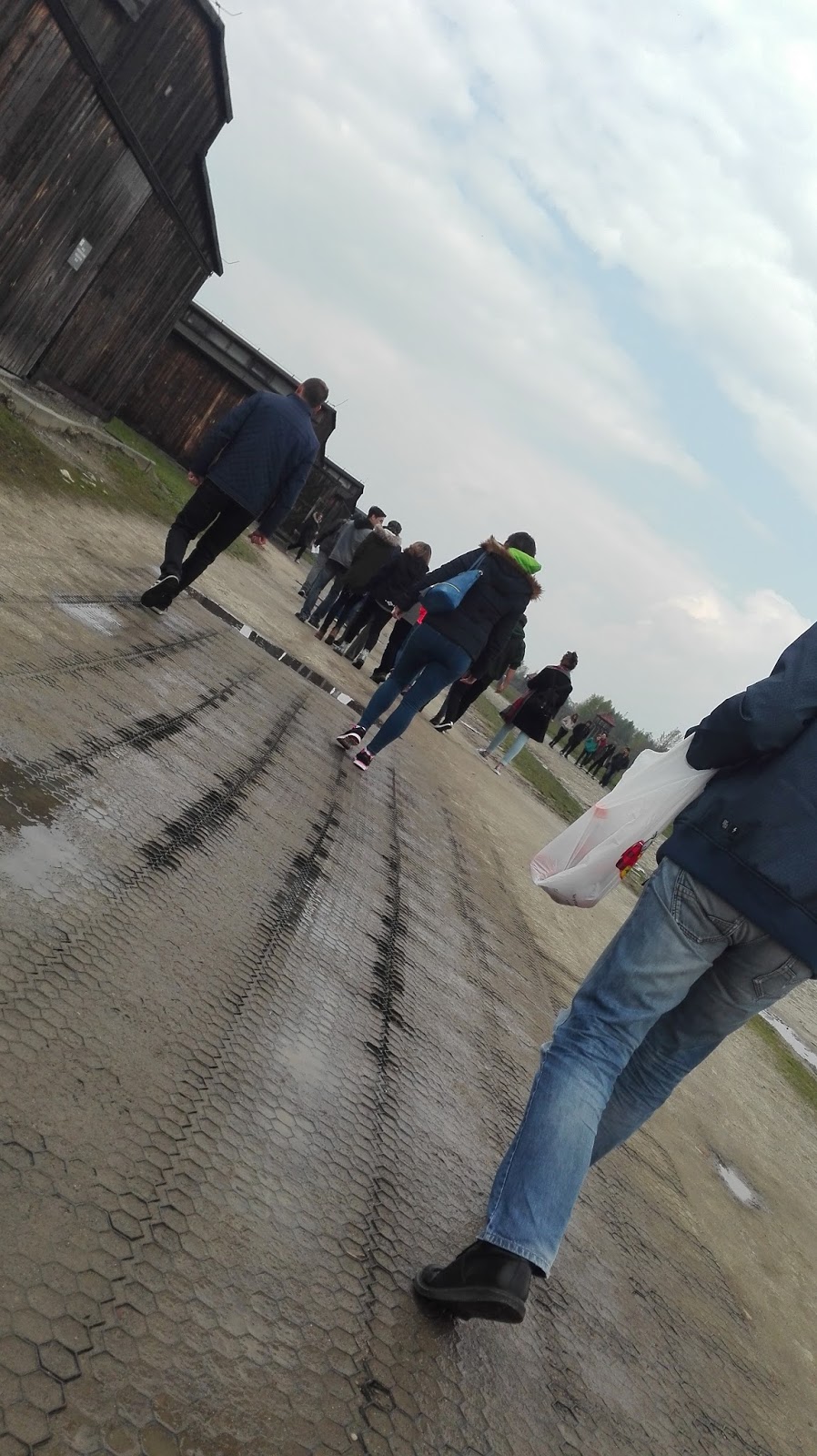   «The history of the German Nazi concentration and extermination camp Auschwitz-Birkenau is not yet fully understood.
We are familiar with the accounts and memories of former prisoners — these are from the victims’ perspective.
We are familiar with the preserved part of the camp documentation — these are administrative documents. We are familiar with post-war court trial materials — these are written in the language of legal defence. These are insufficient to fully understand the greatest tragedy in the history of Europe.
After the war, only a few sets of photos were found, taken by members of KL Auschwitz staff; a small number of private letters written by SS men; and very rare examples of other documents or single diaries.
Without a more comprehensive analysis and understanding of the motivation and mentality of the perpetrators, our efforts to wisely counsel future generations will only remain intuitive. Today, we ask you to help!
Whoever is in possession of any documents, photos, private letters, memoirs etc., and wishes to support our efforts to better understand the influence of populist mechanisms of hatred for human beings, please contact: archiv[at]auschwitz.org. We guarantee complete anonymity to those who wish to hand over such documents.
Director of the Auschwitz Memorial
Dr. Piotr M. A. Cywiński» 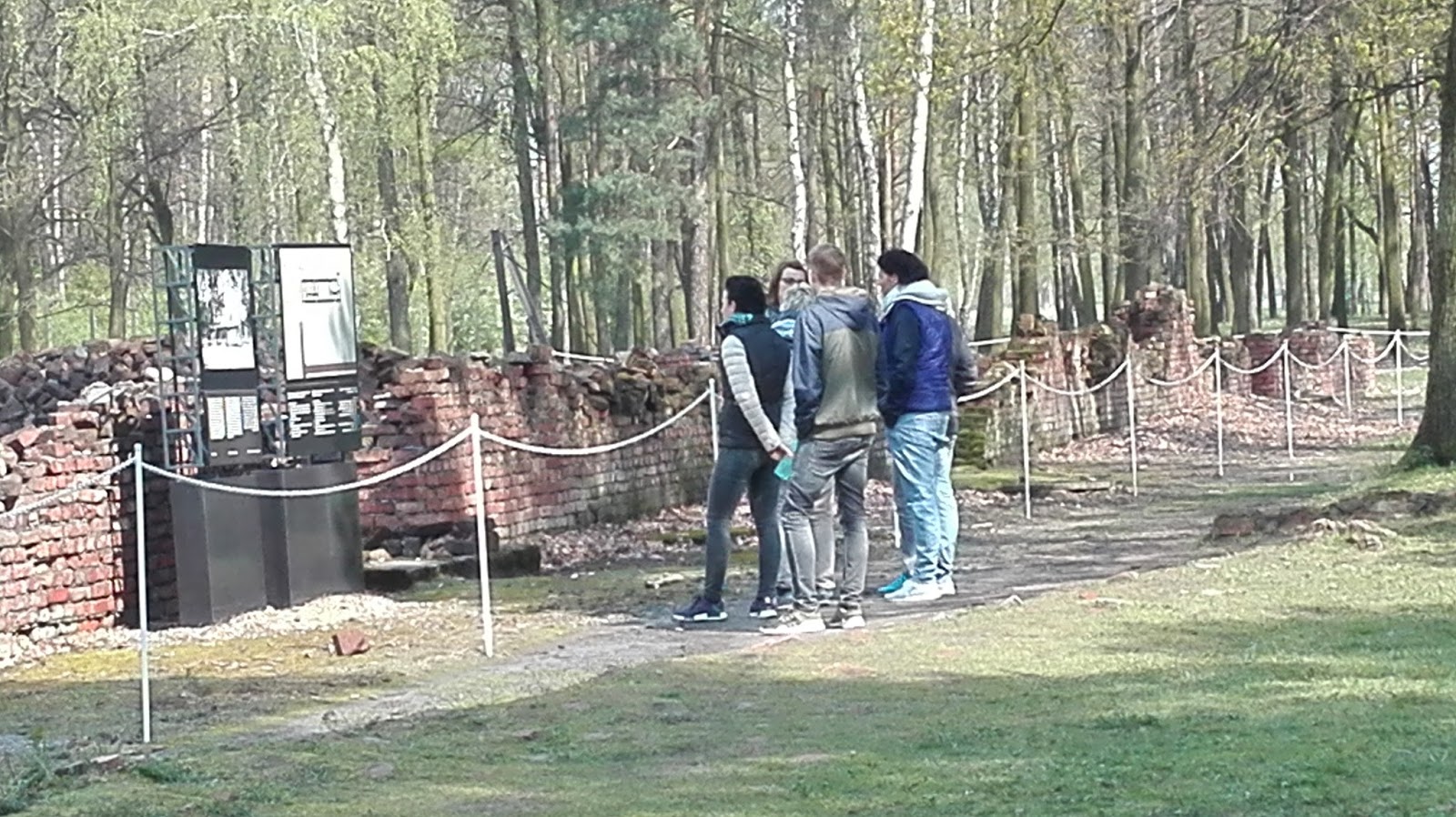 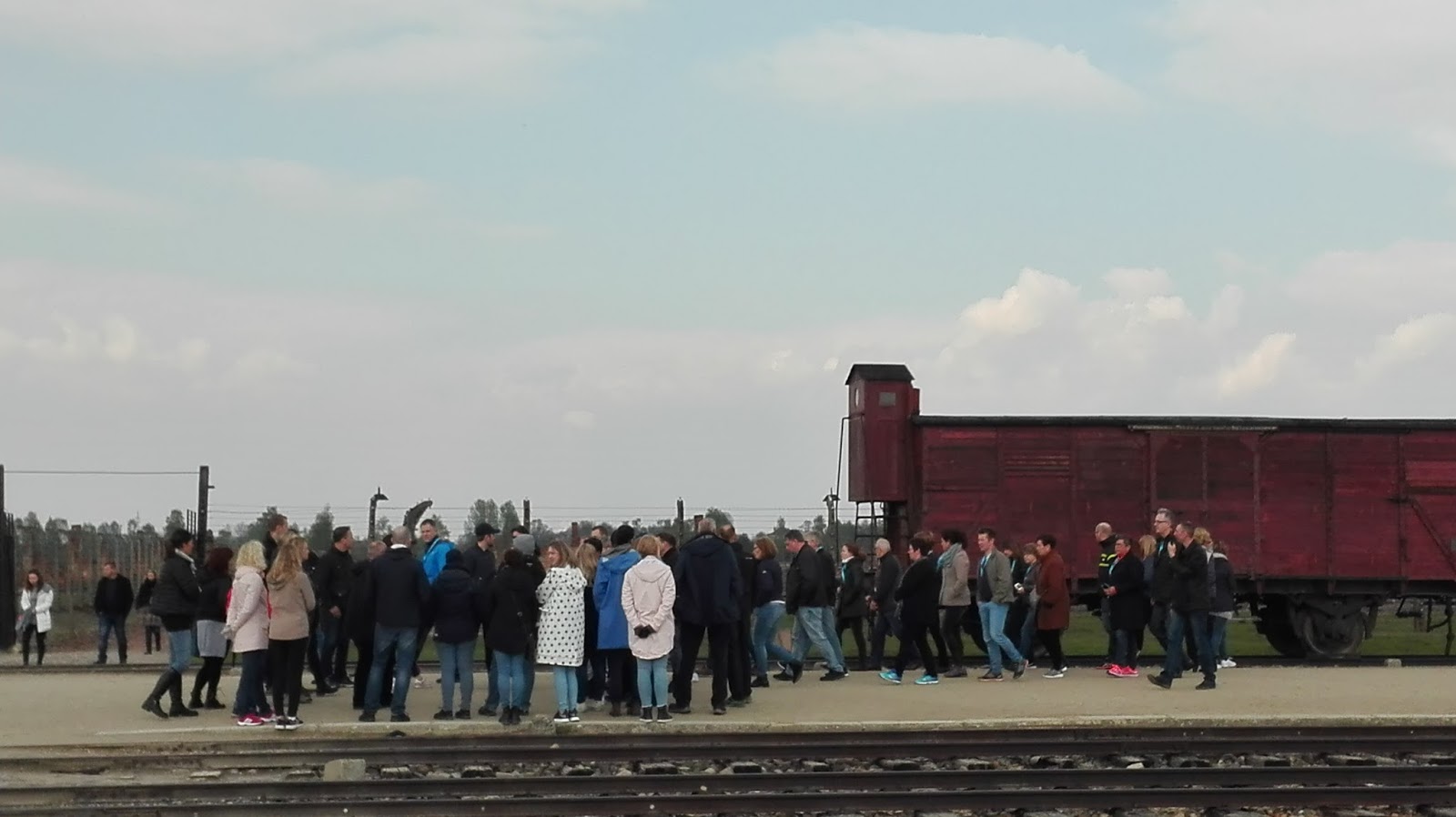 How could we do justice to the victims?
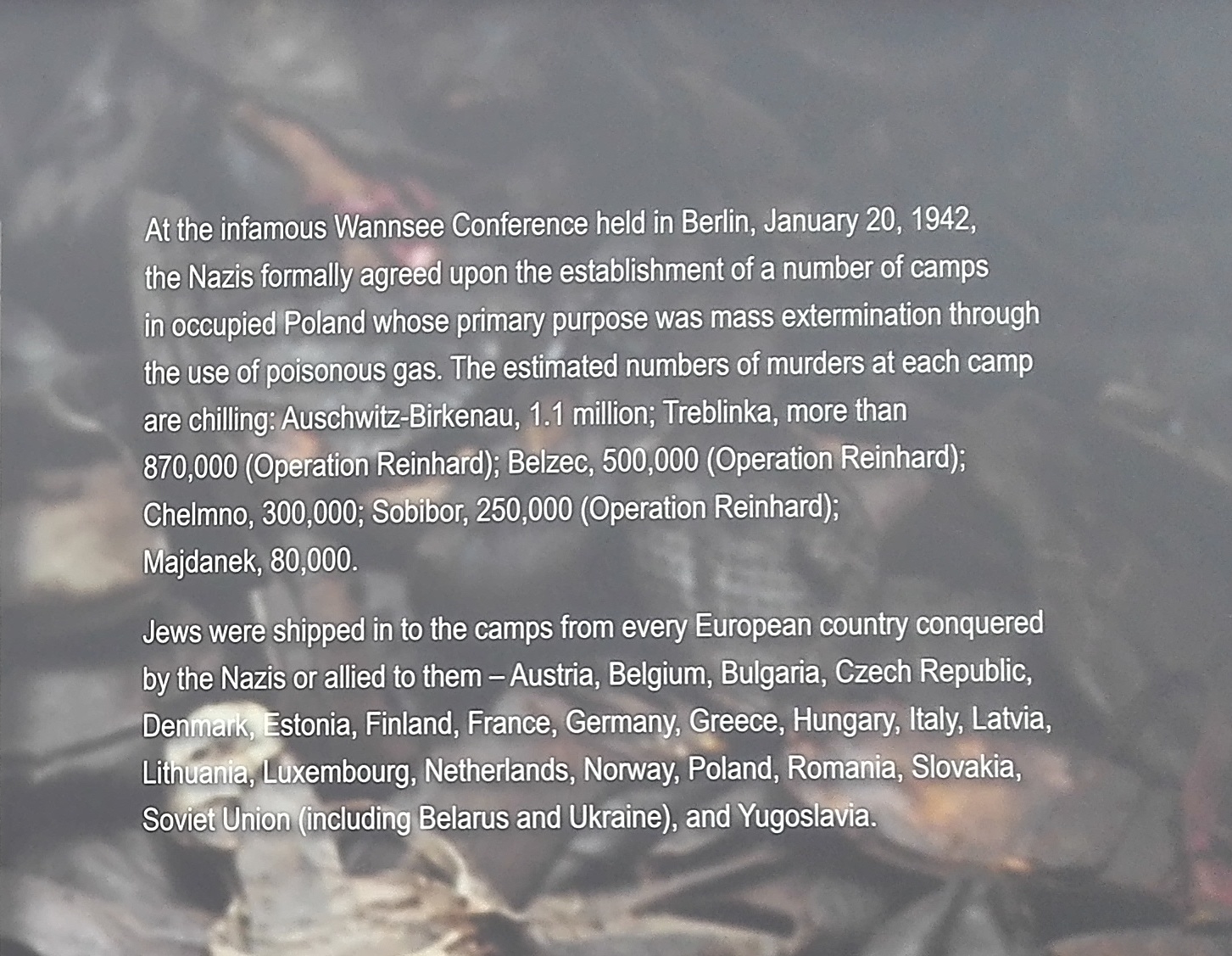
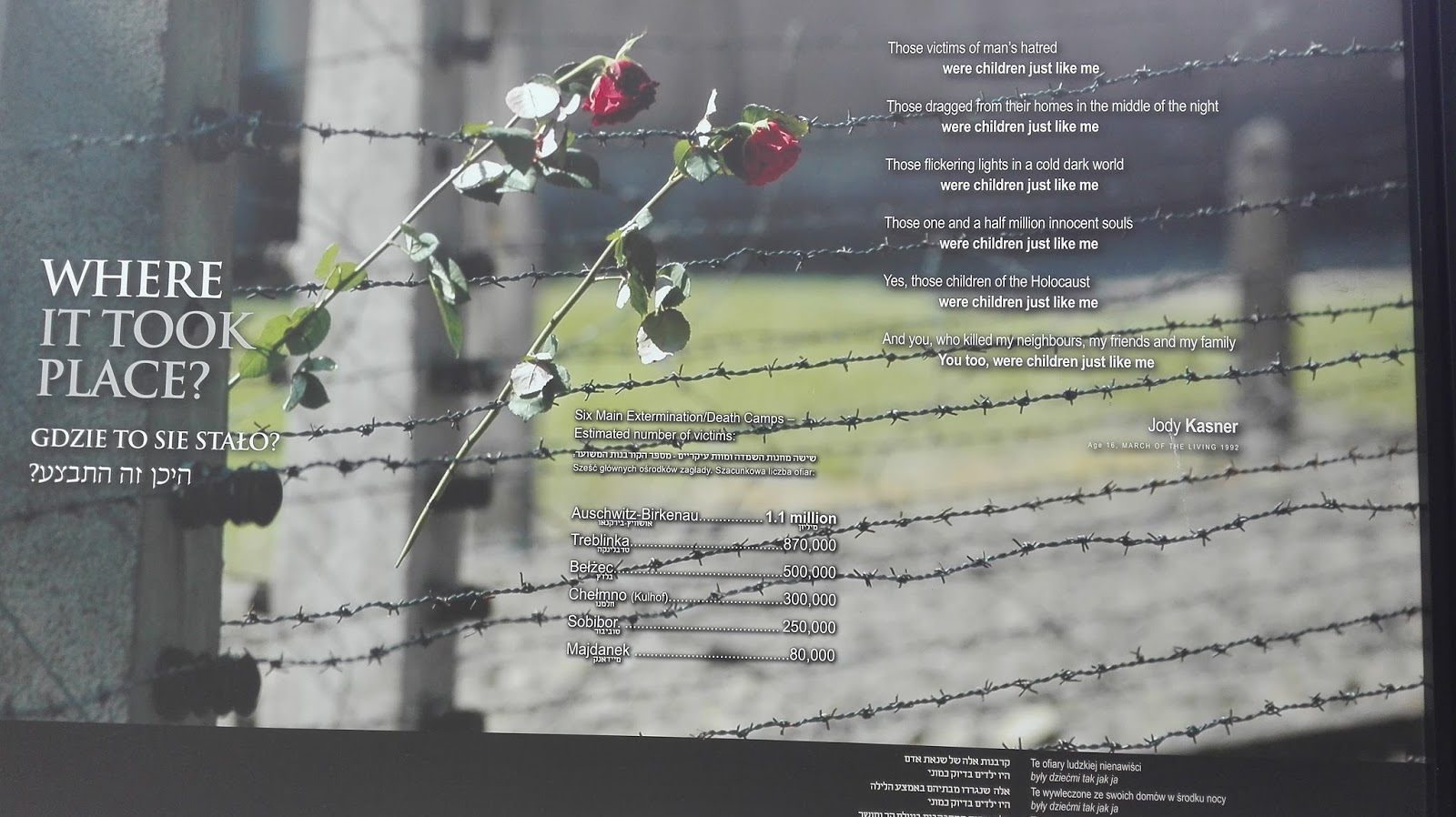
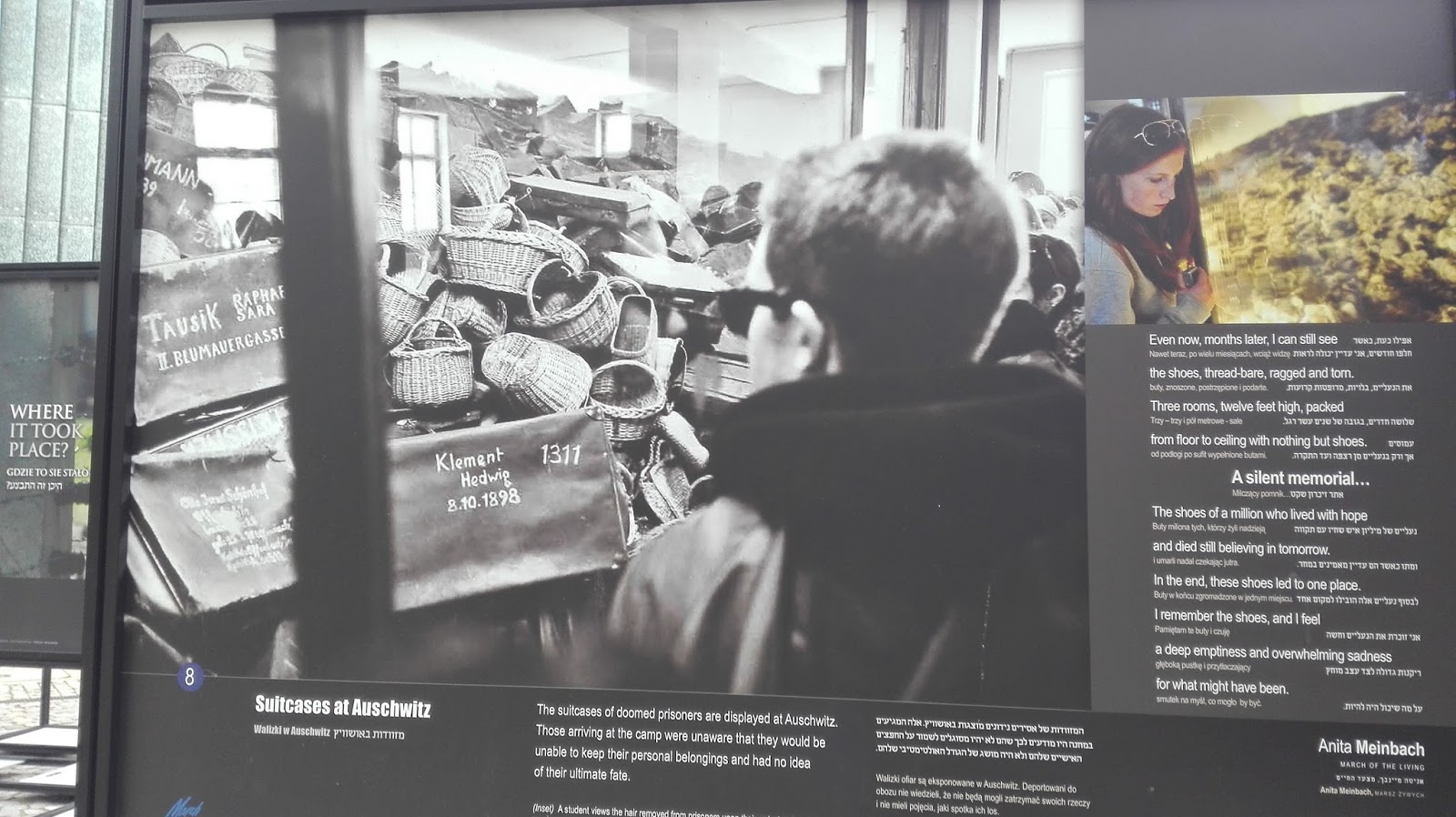
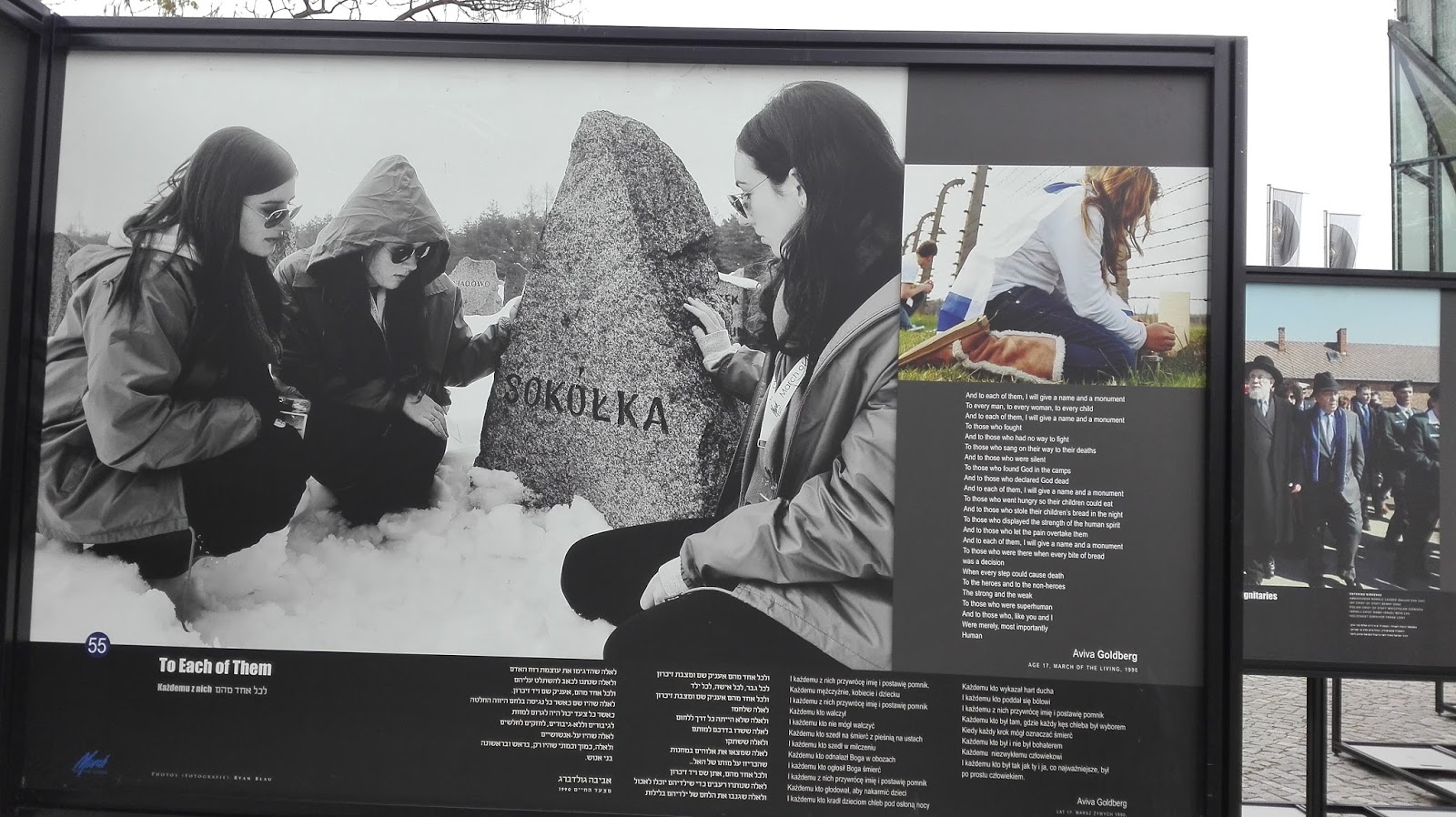
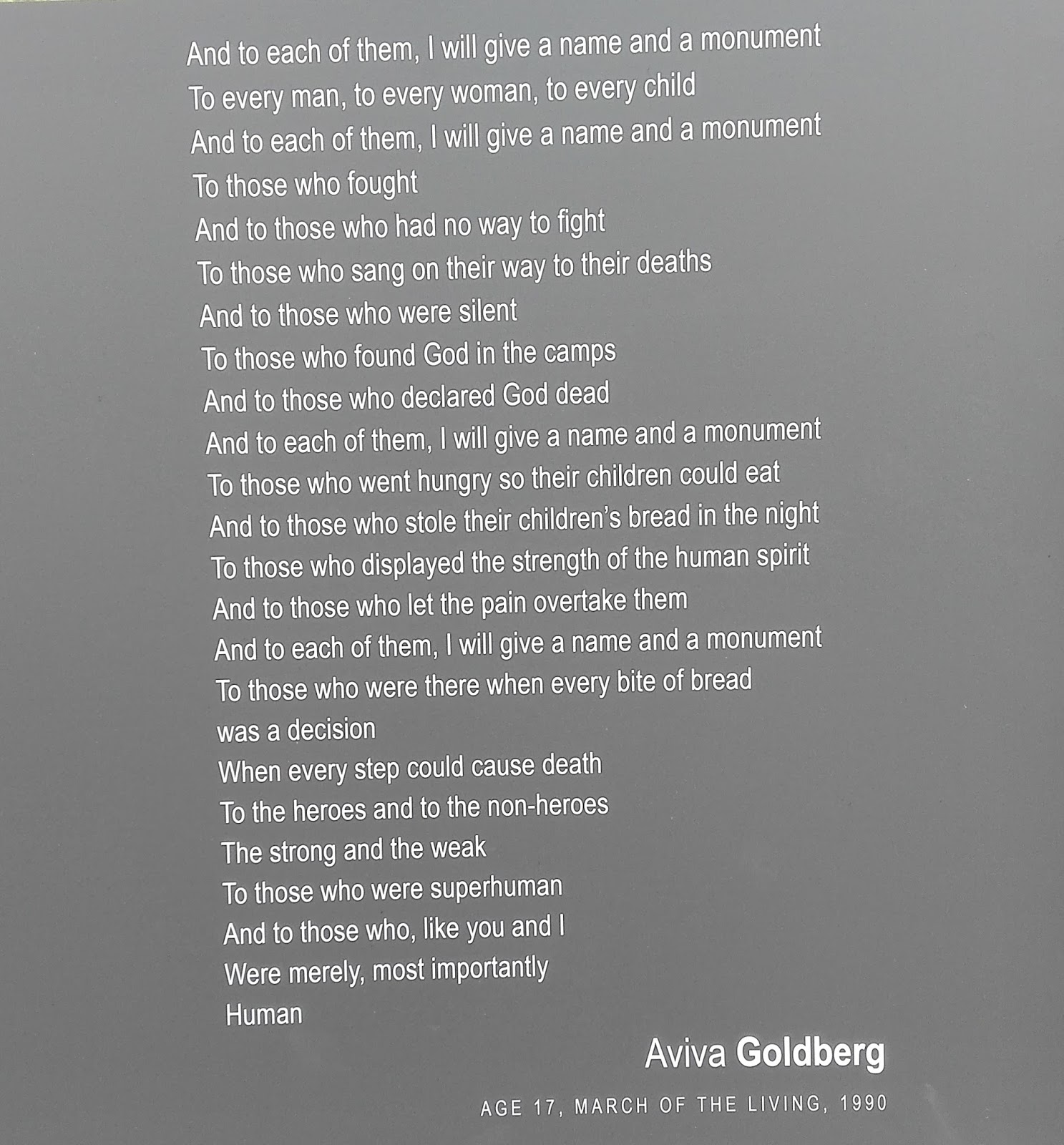
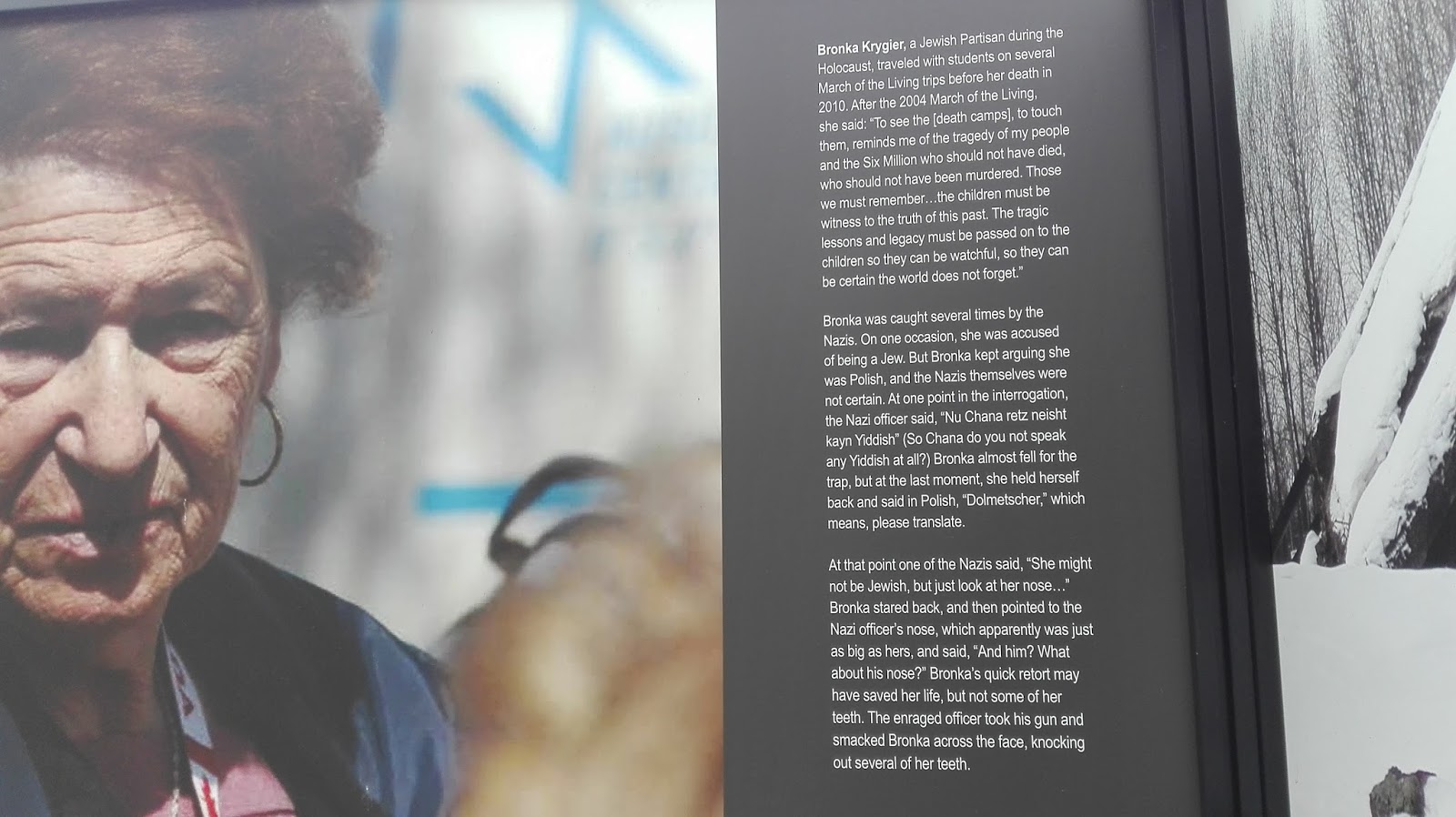
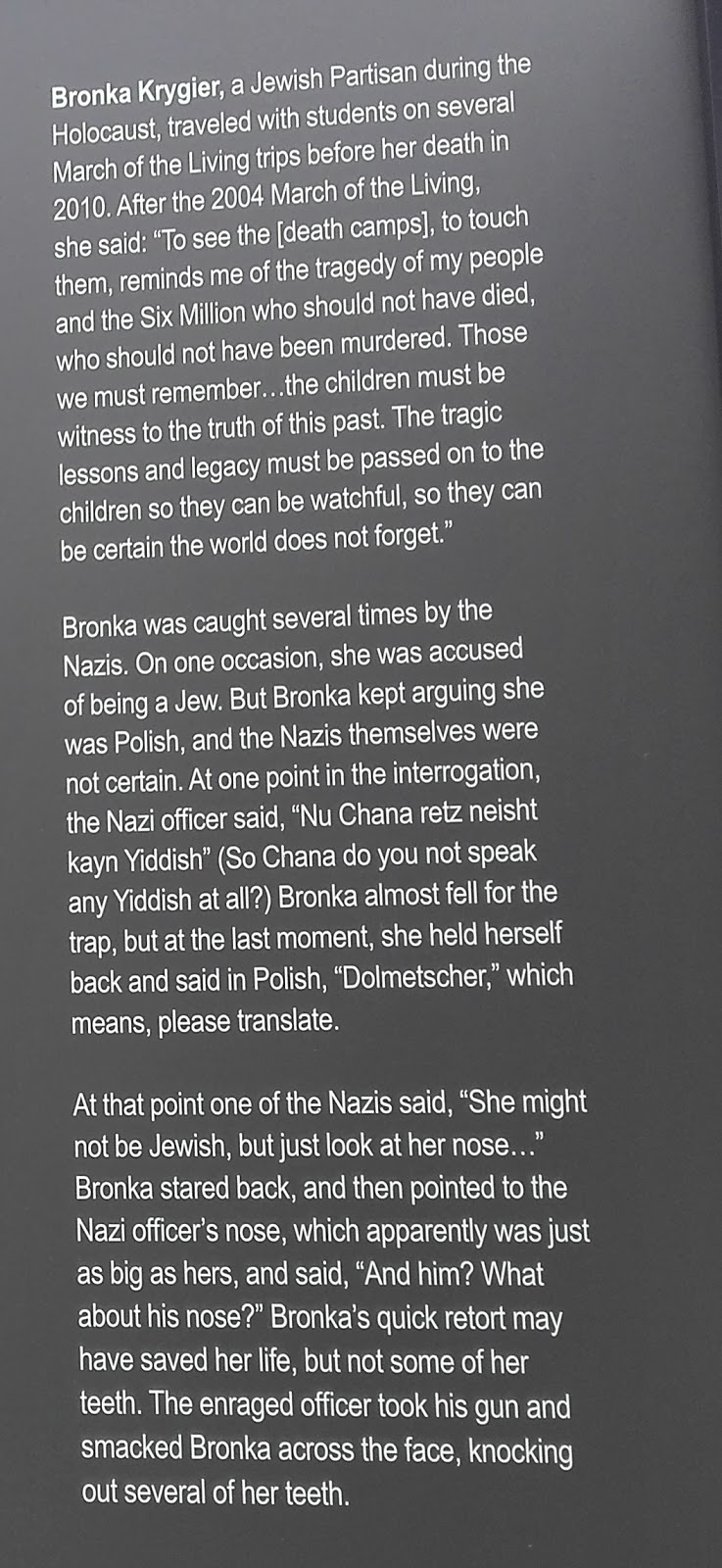
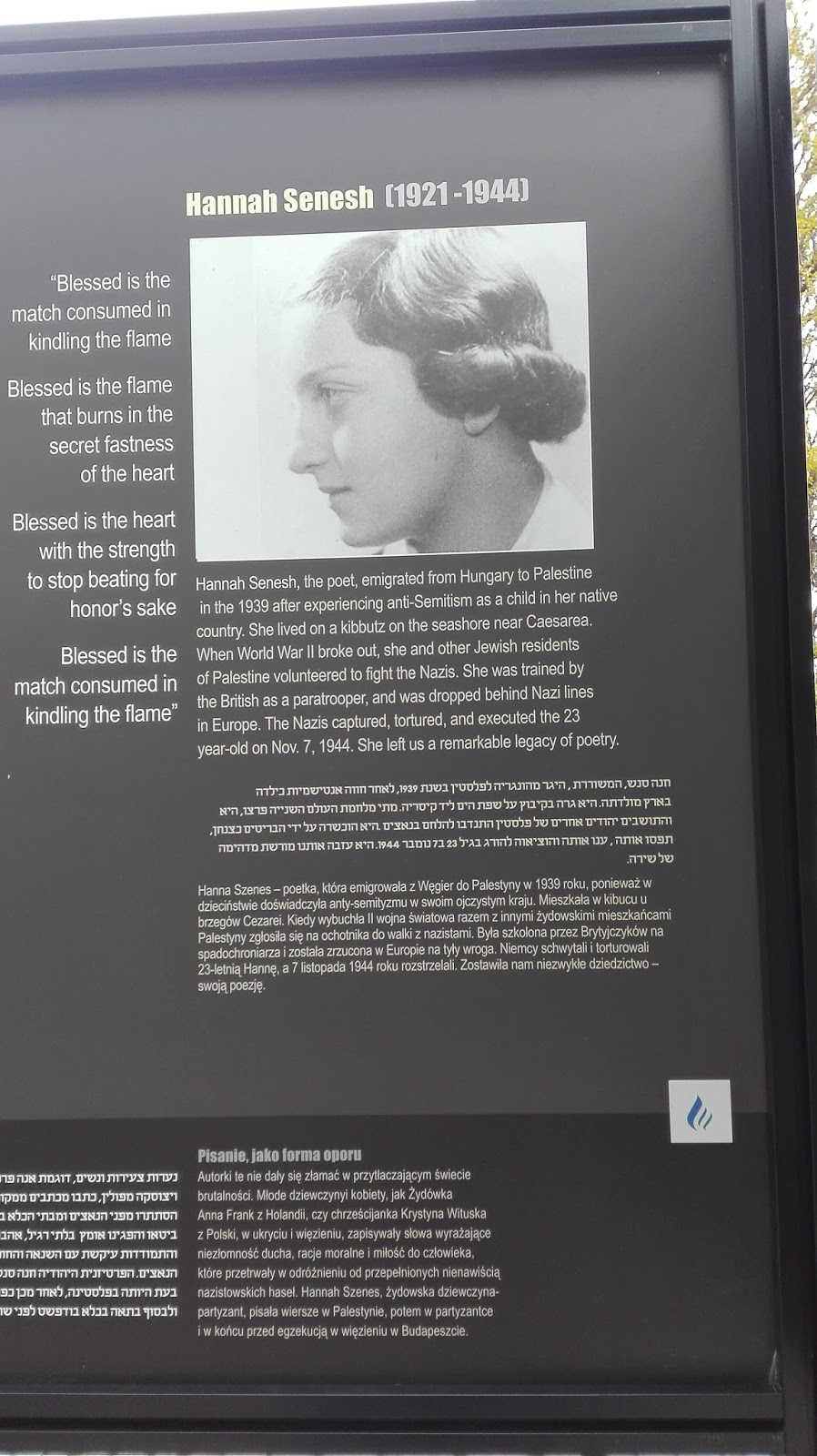
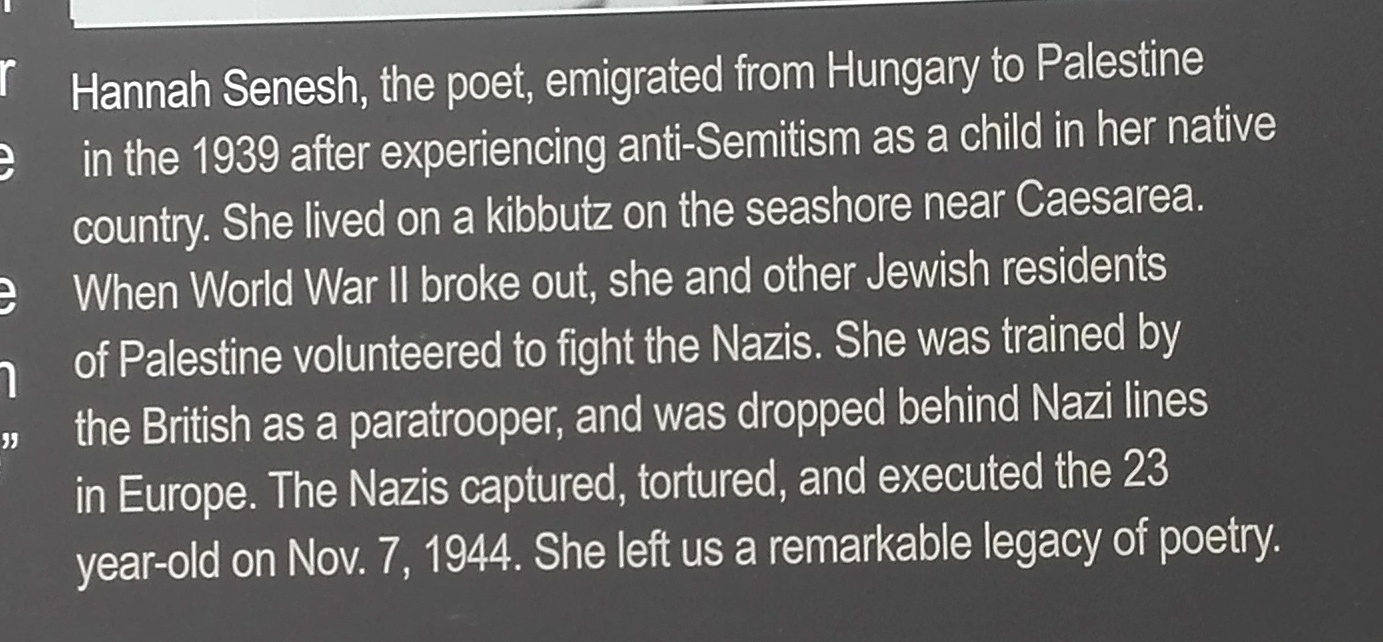
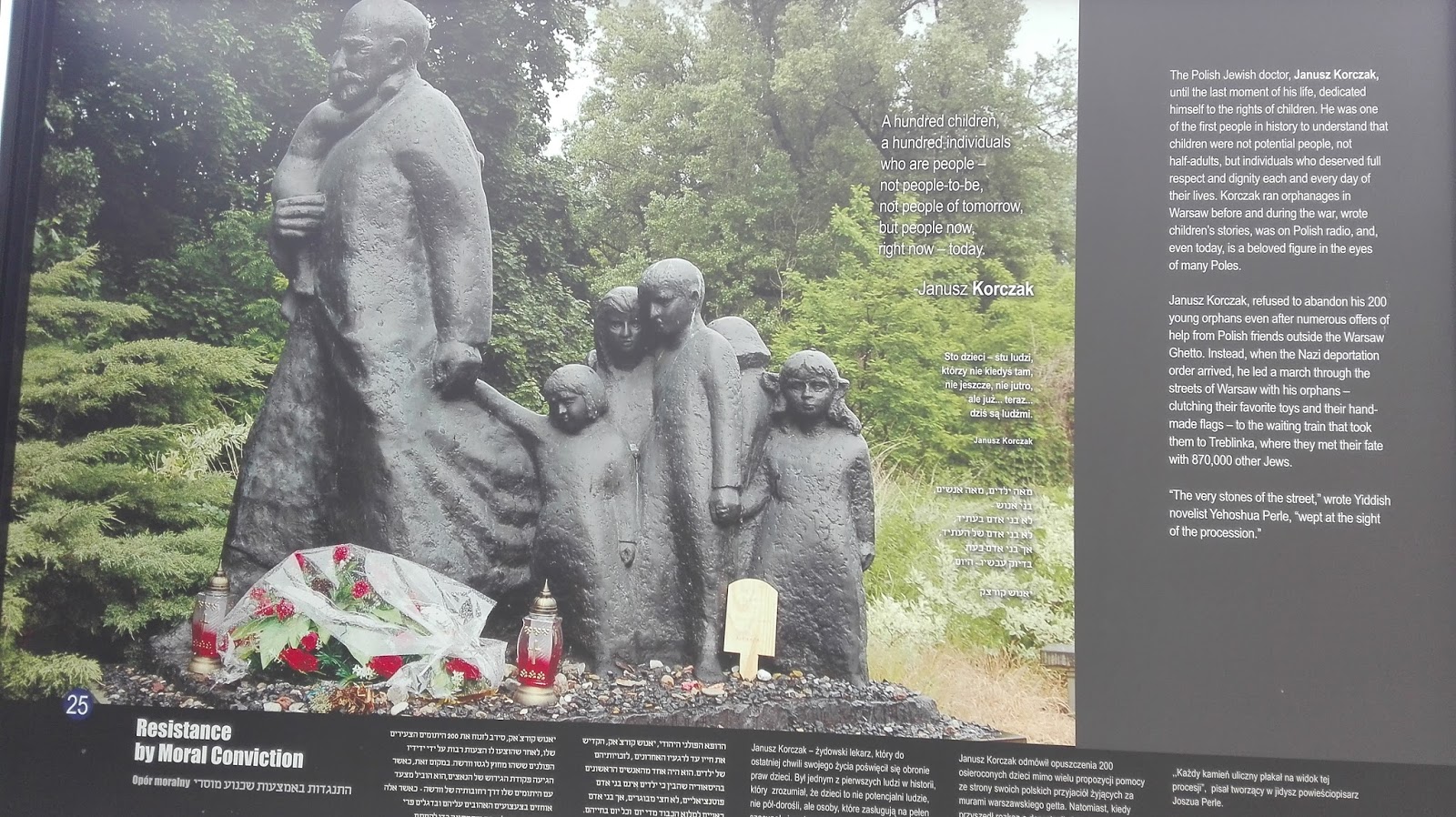
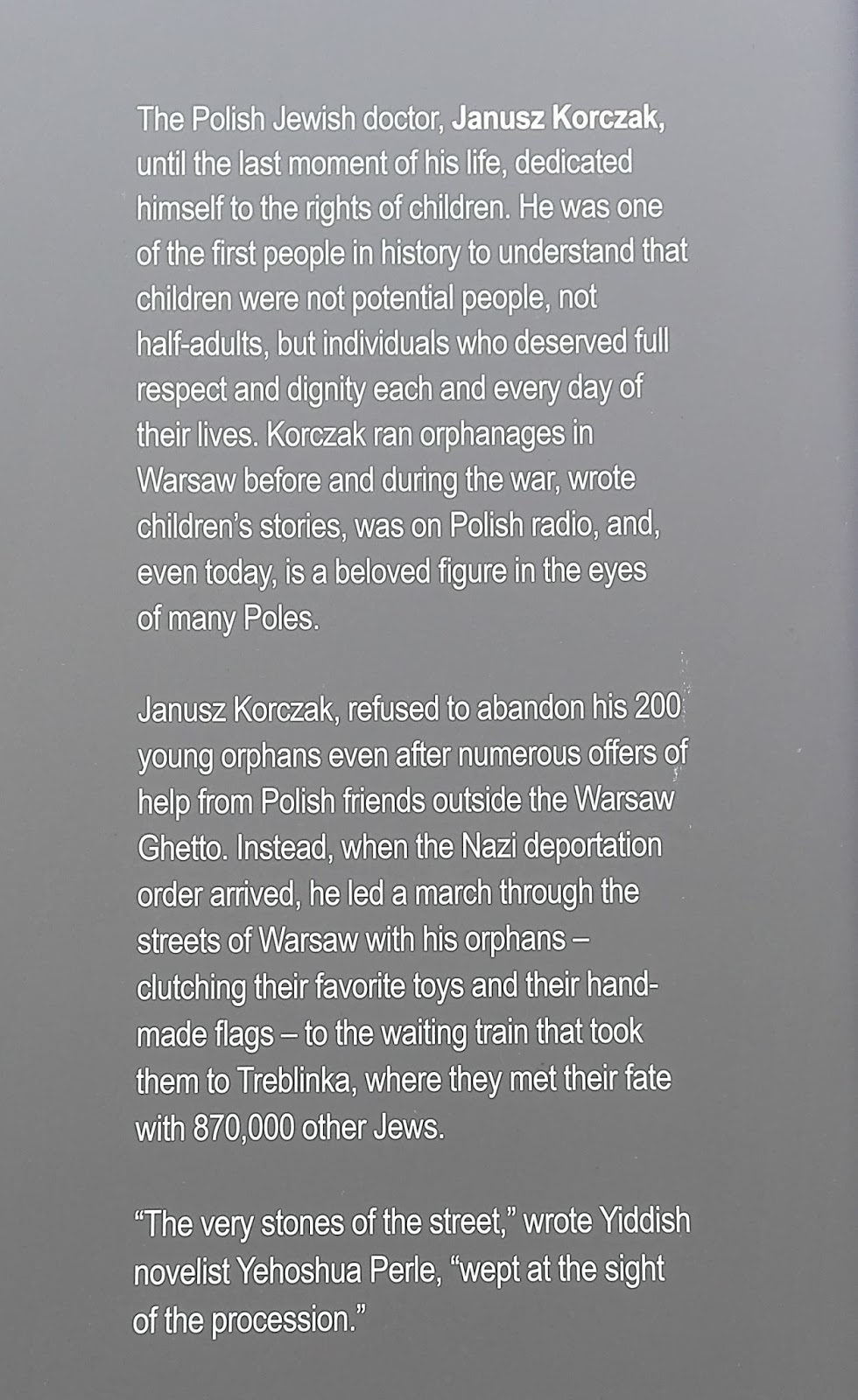
  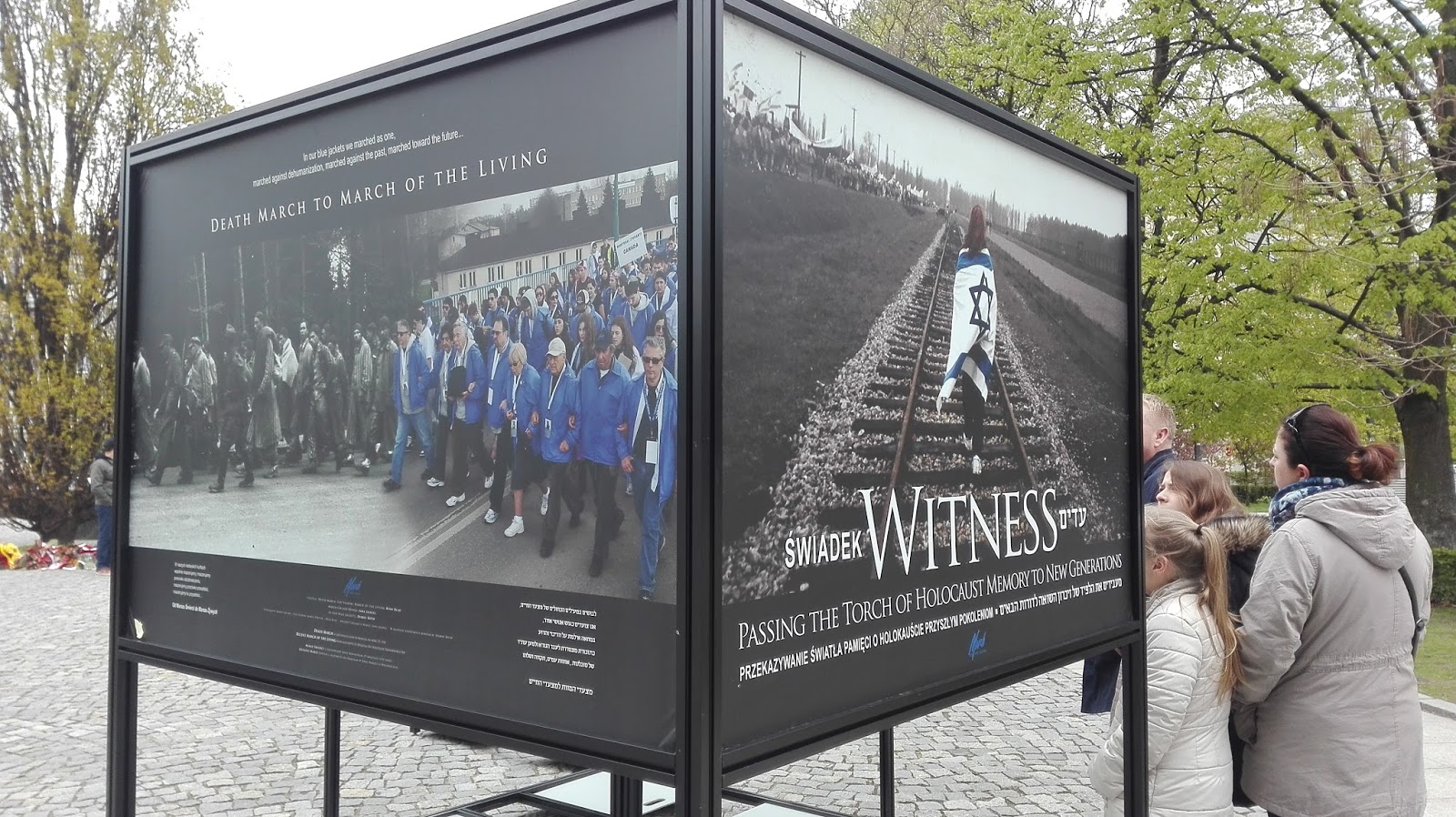 exhibition outside the POLIN Museum of the History of Polish Jews- Warsaw
           And back to Birkenau
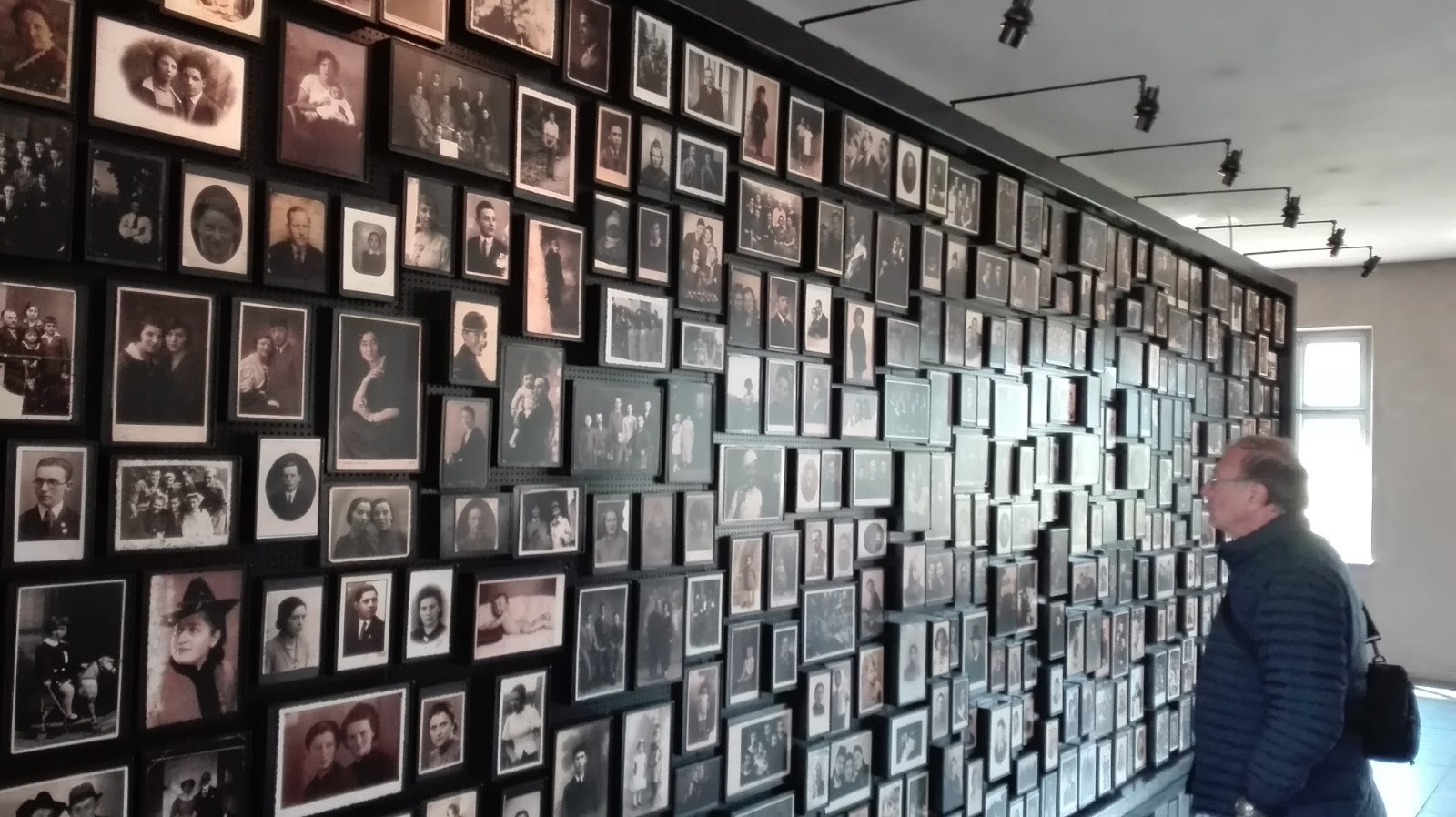 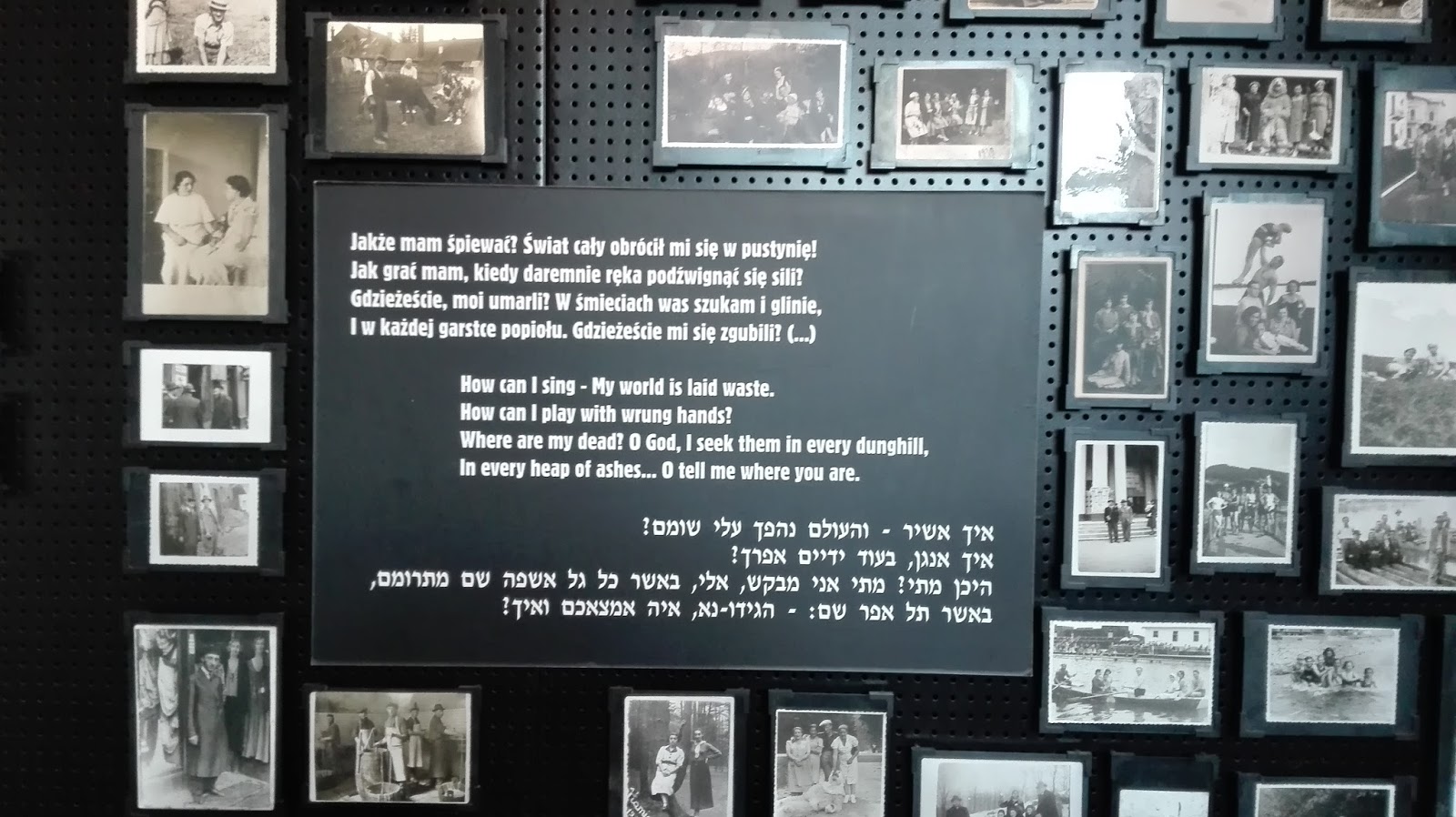 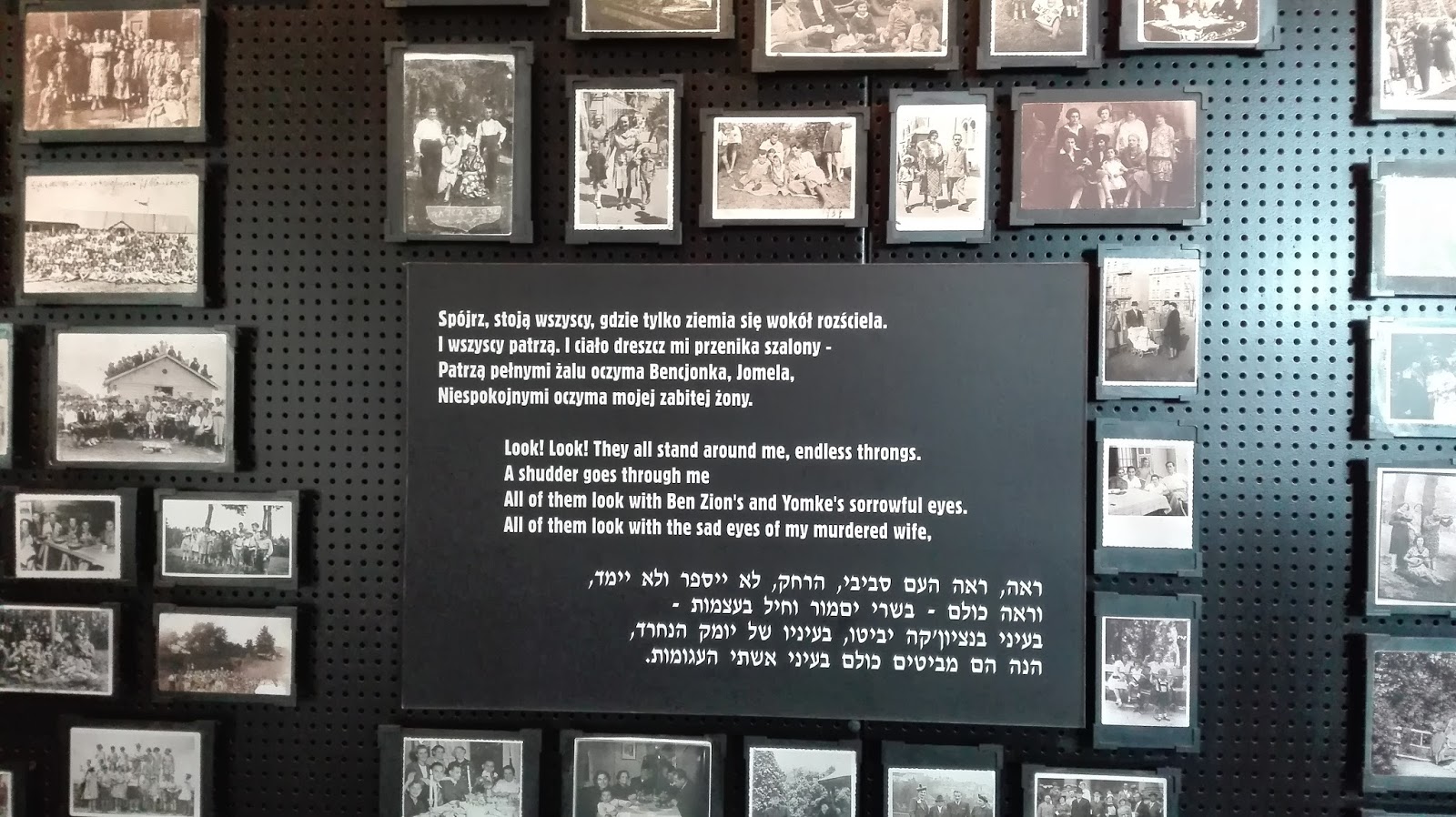 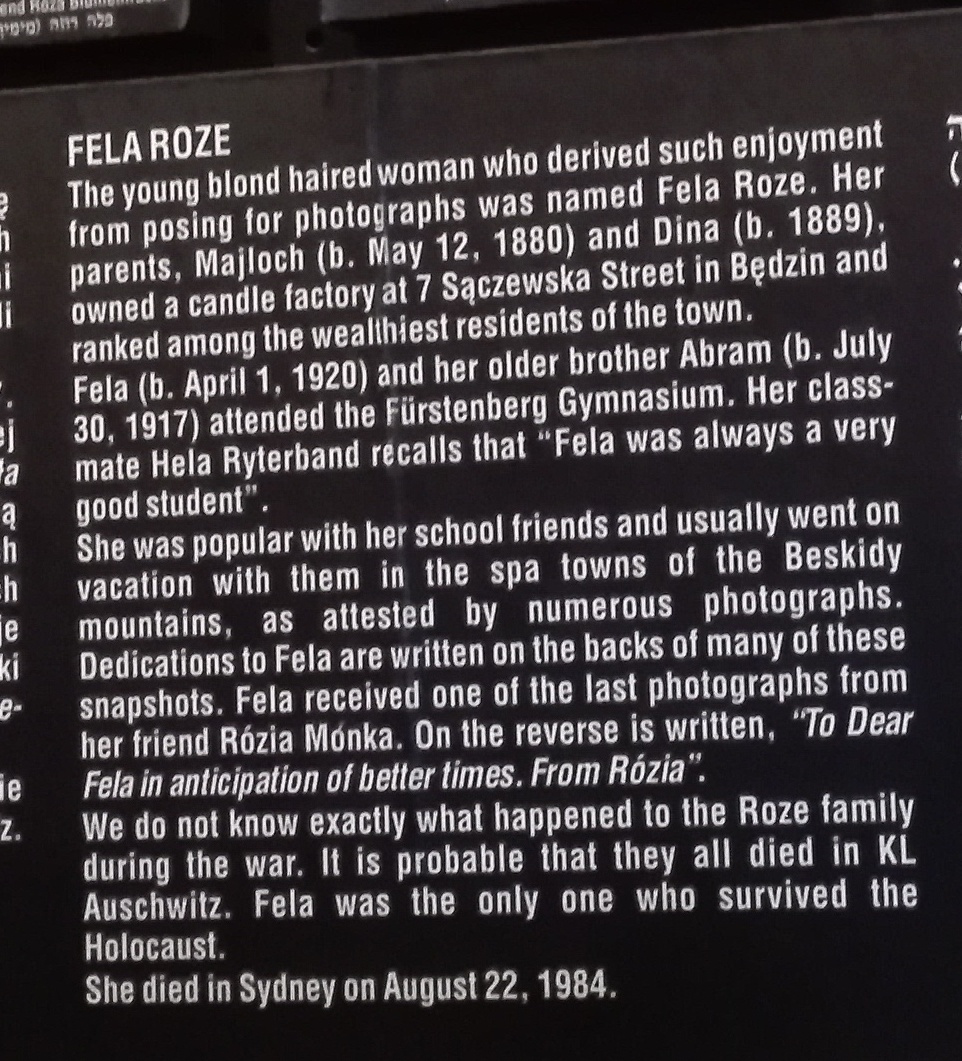 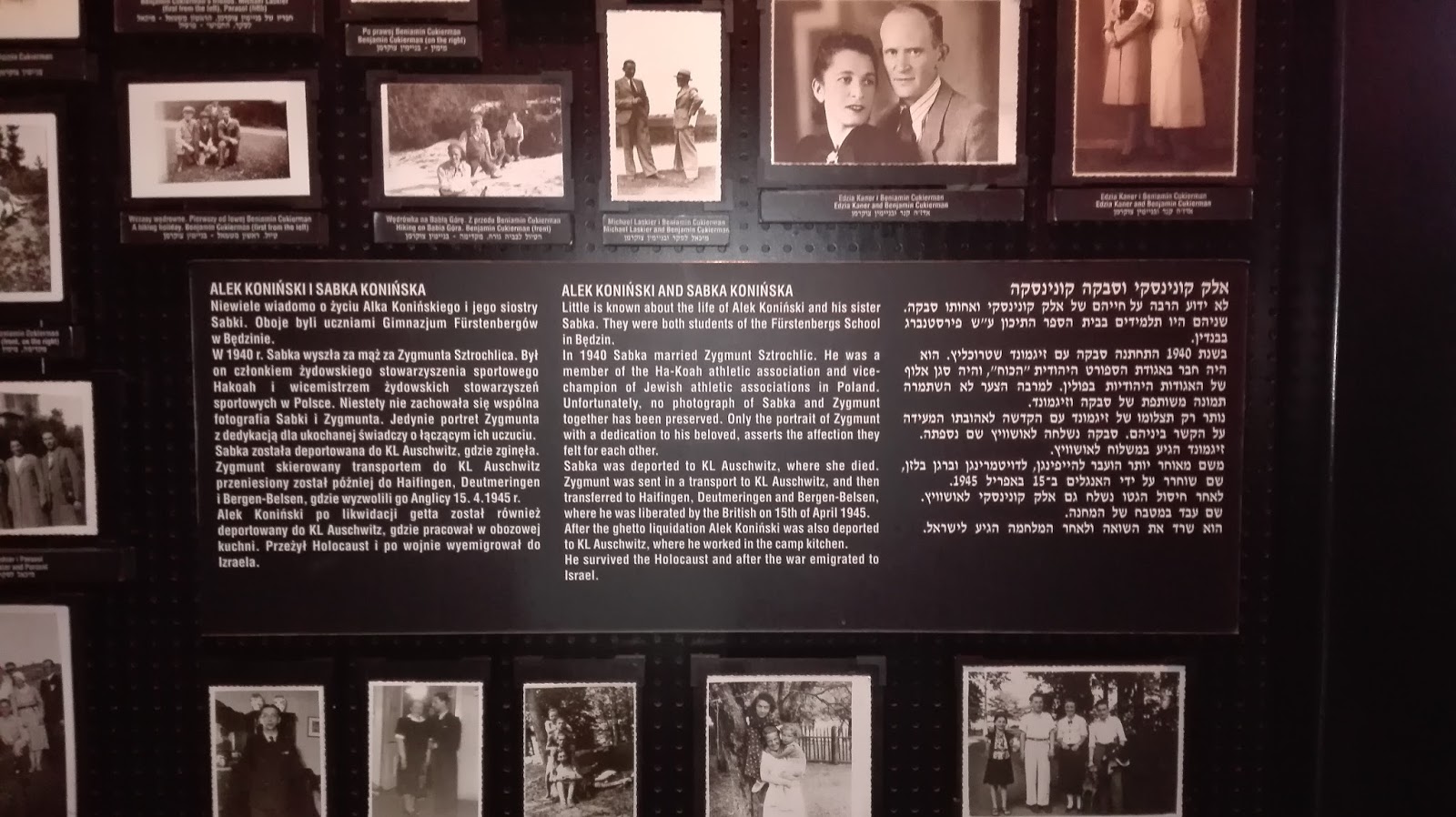 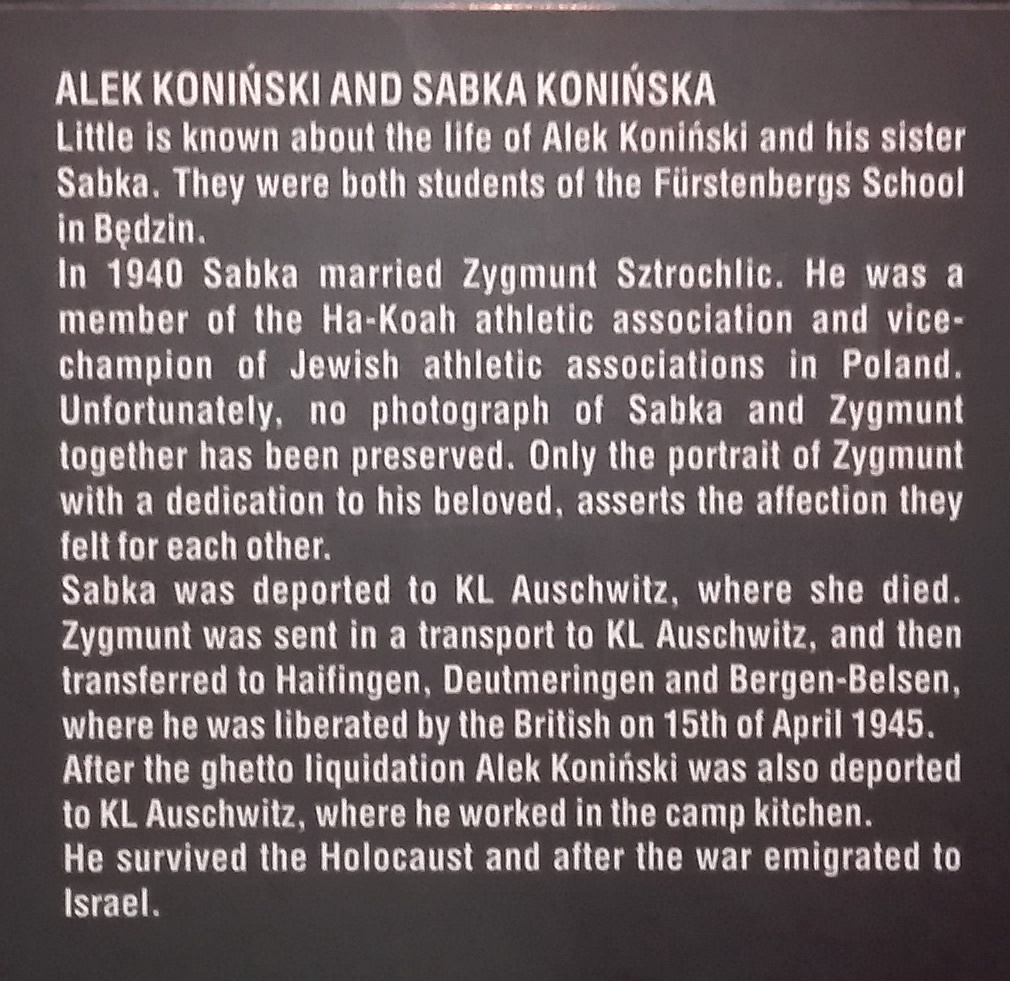 and what is left behind after all these?What still remains? What is to be revealed behind the trace?
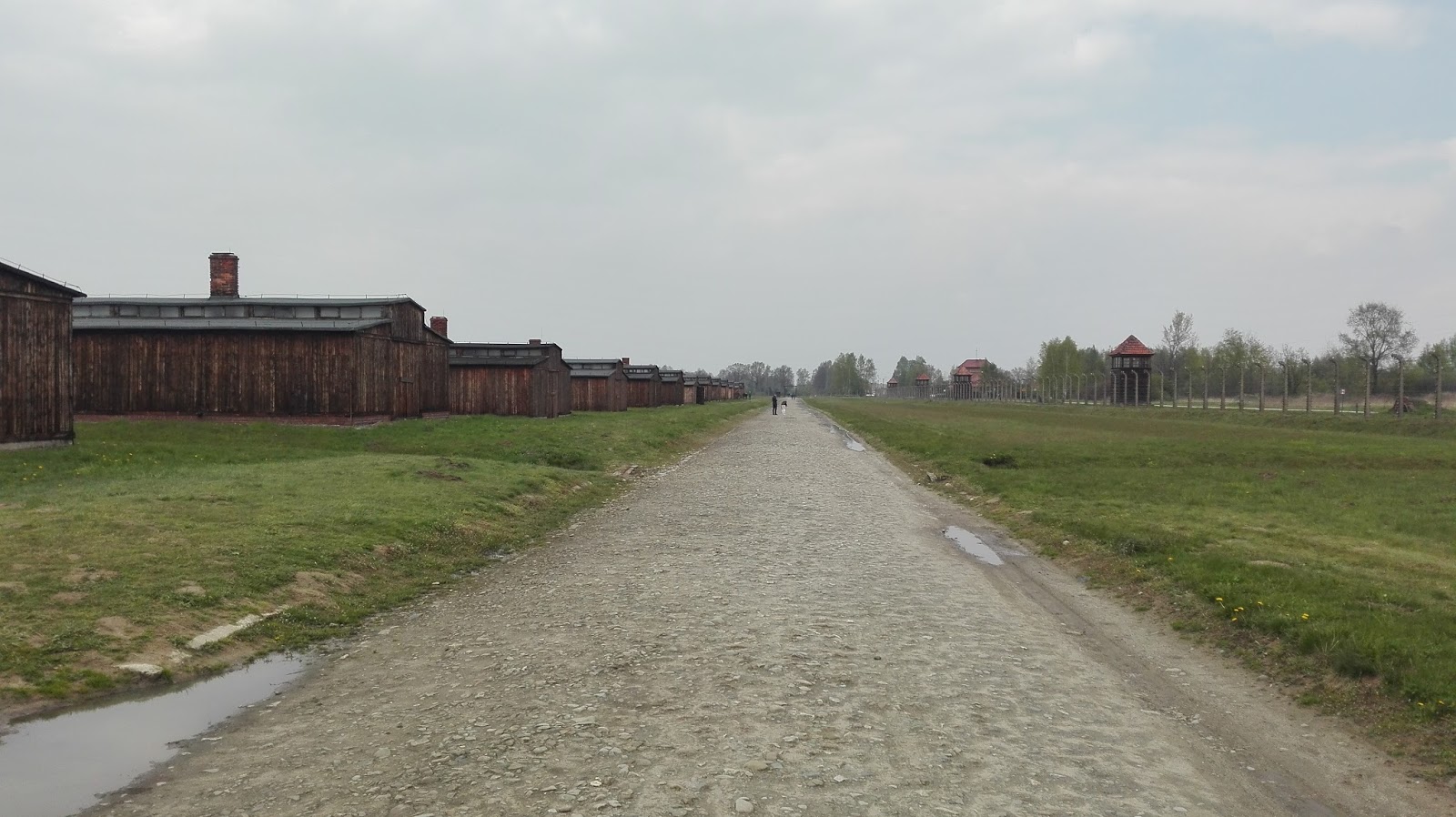 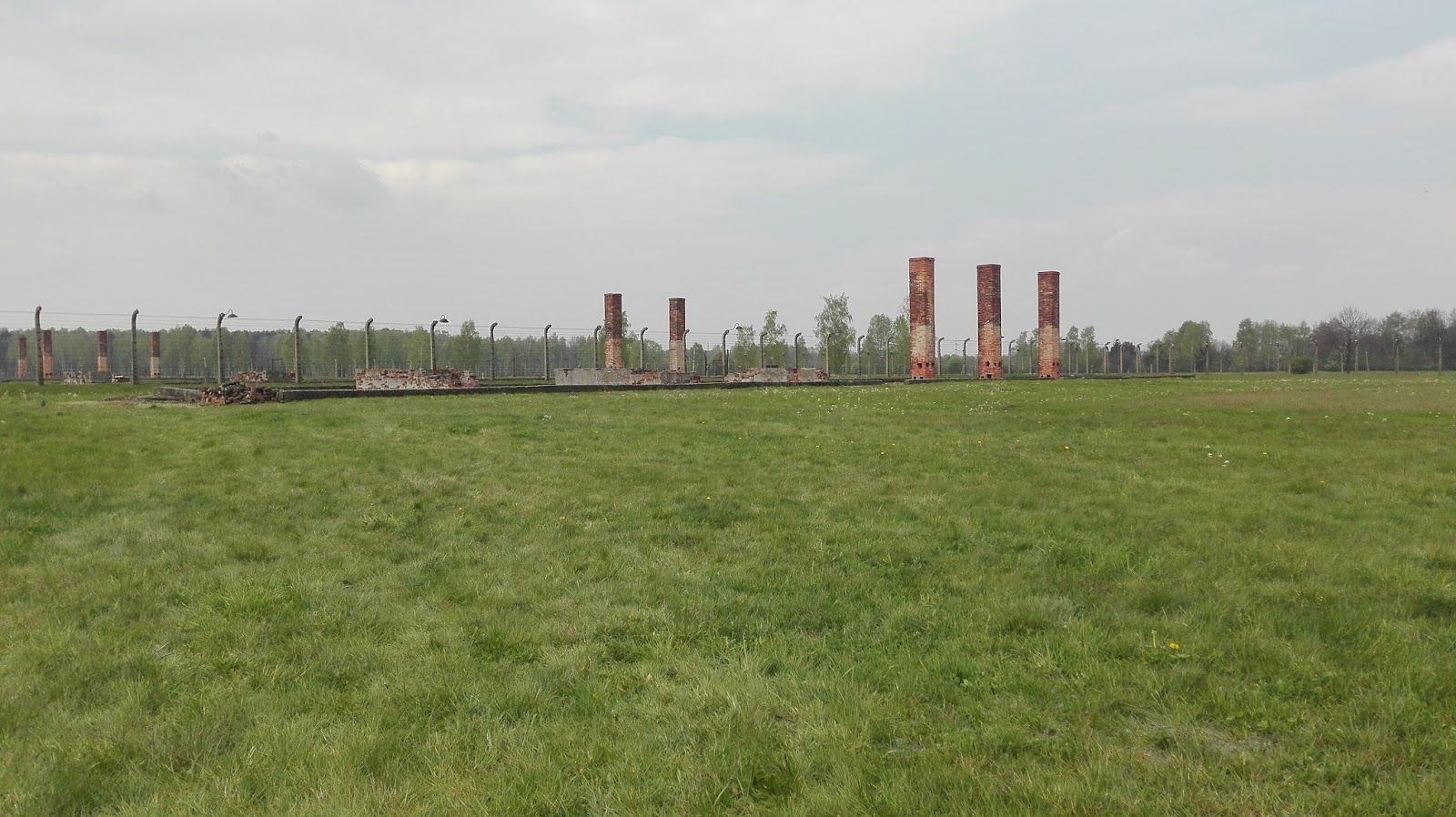 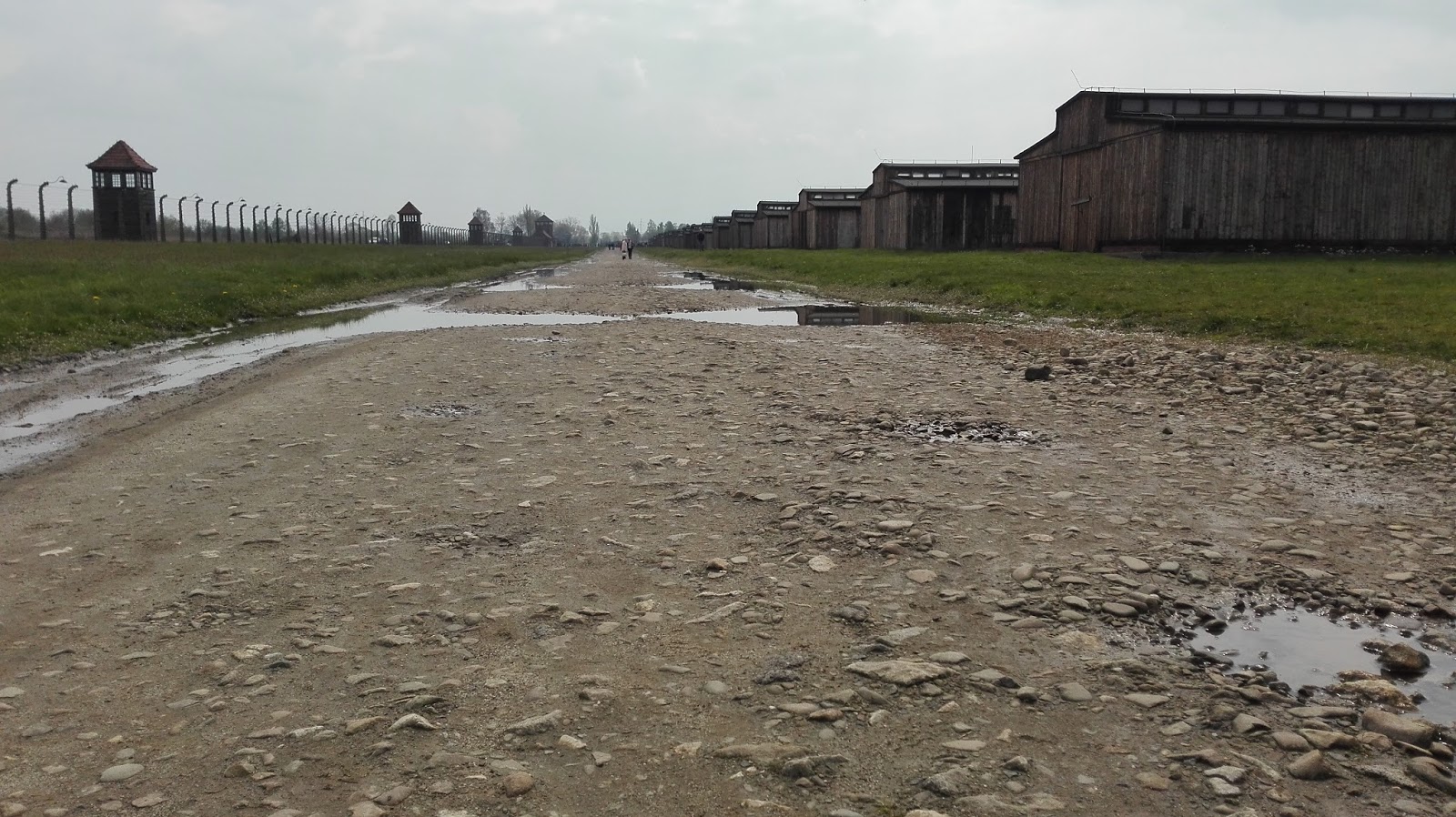 The controversial of the human nature…
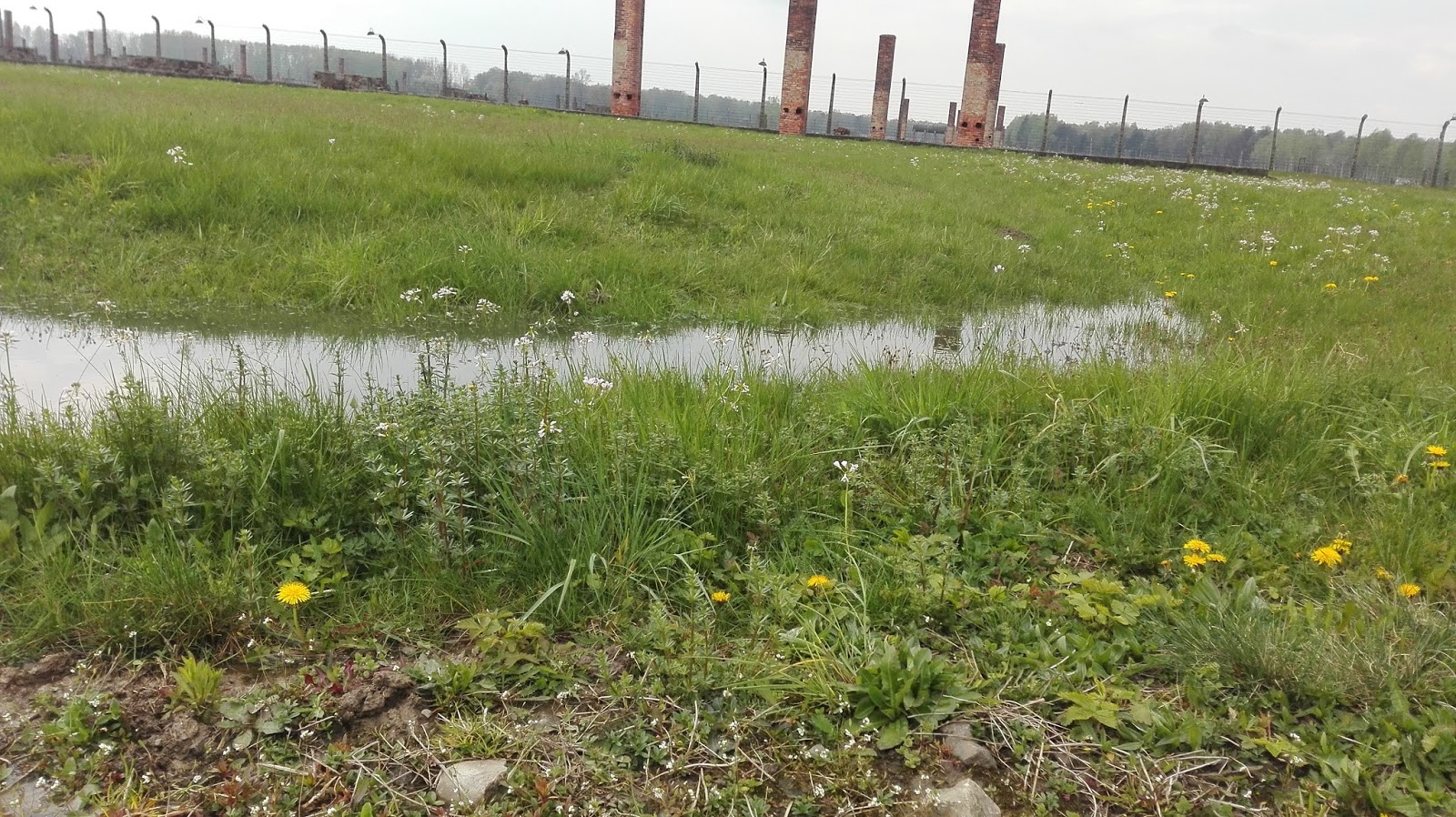
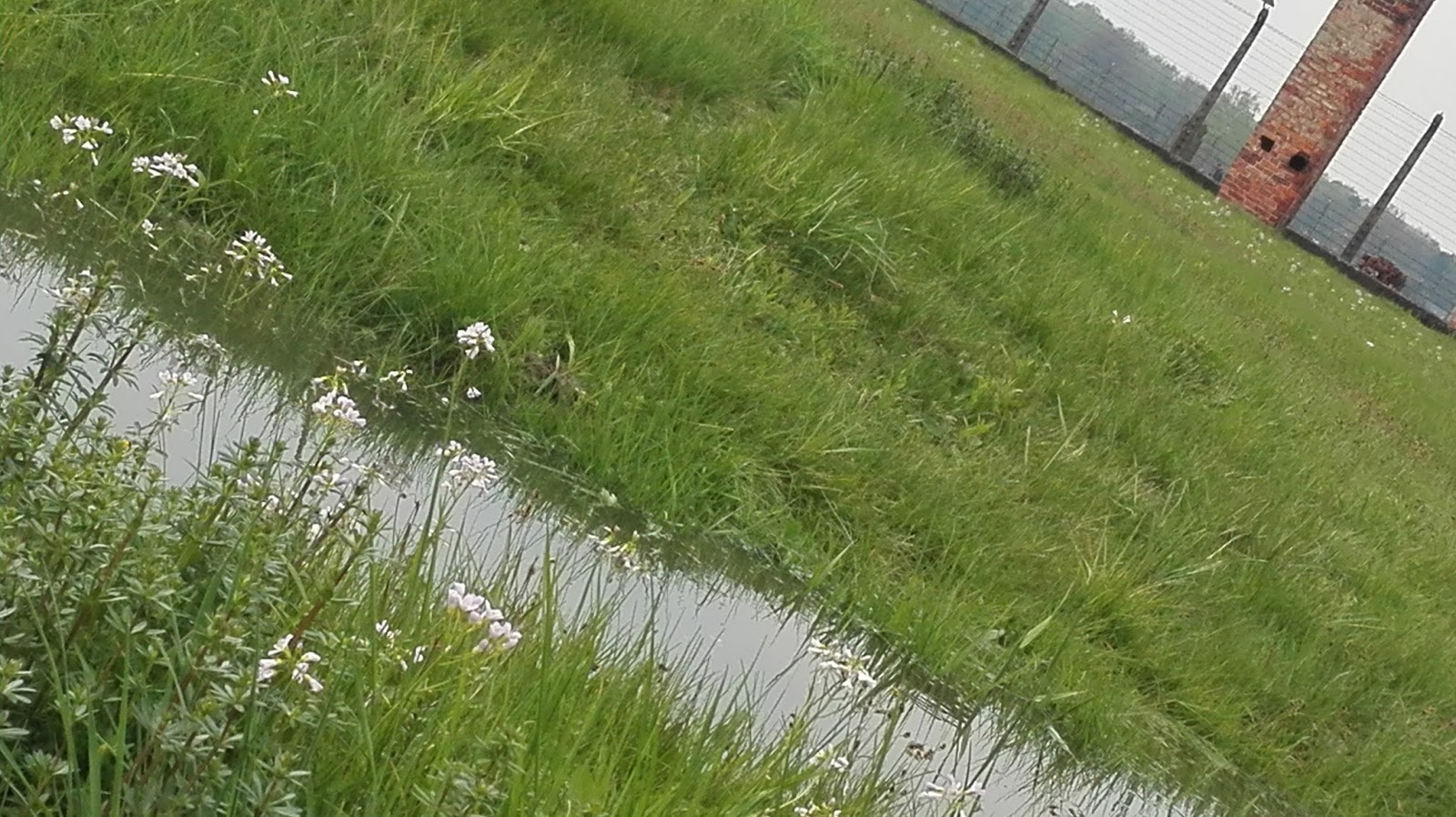
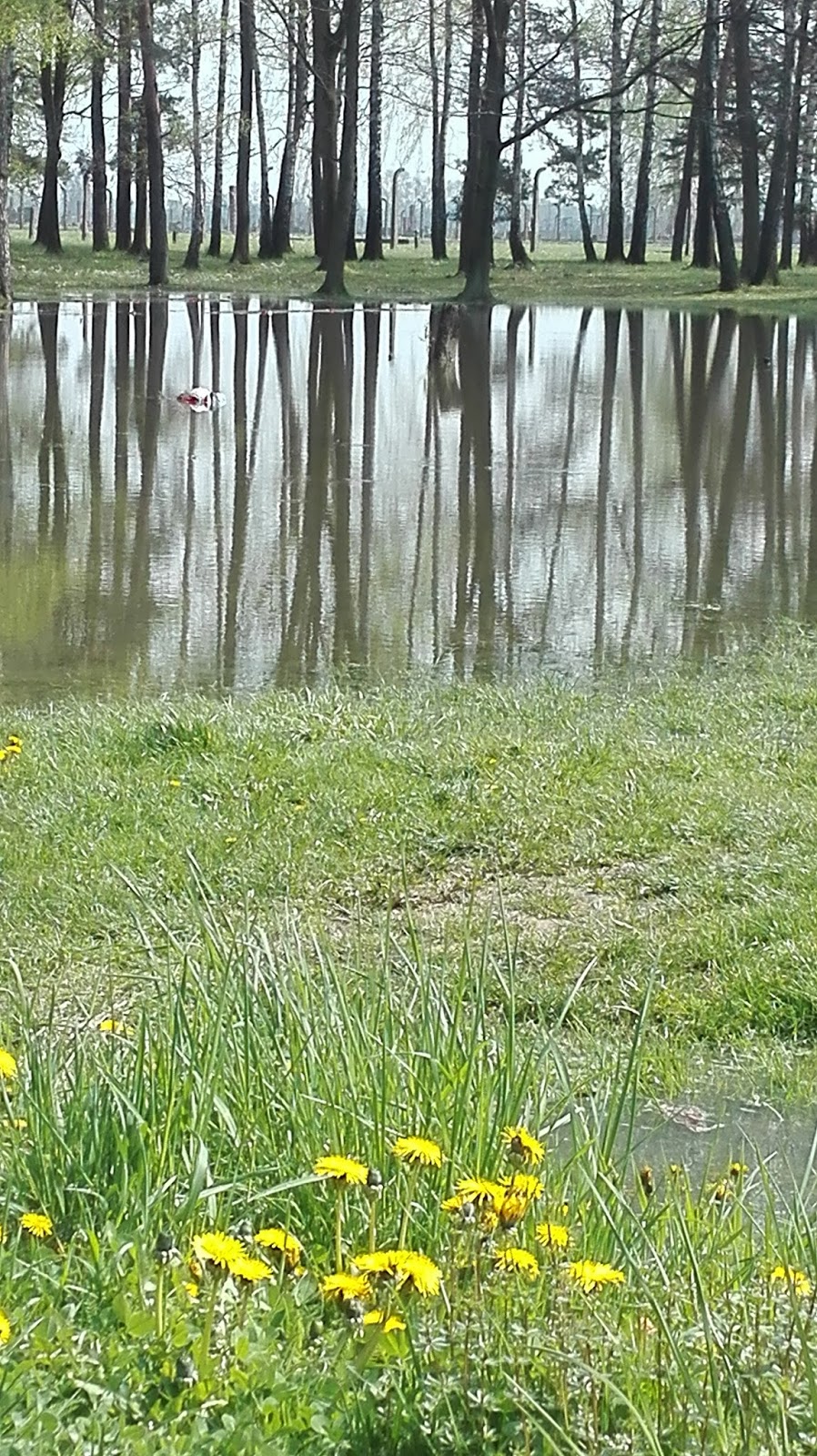
And the strength and grandeur of the nature that flourish upon ashes…
   |
 ninetasland.com