
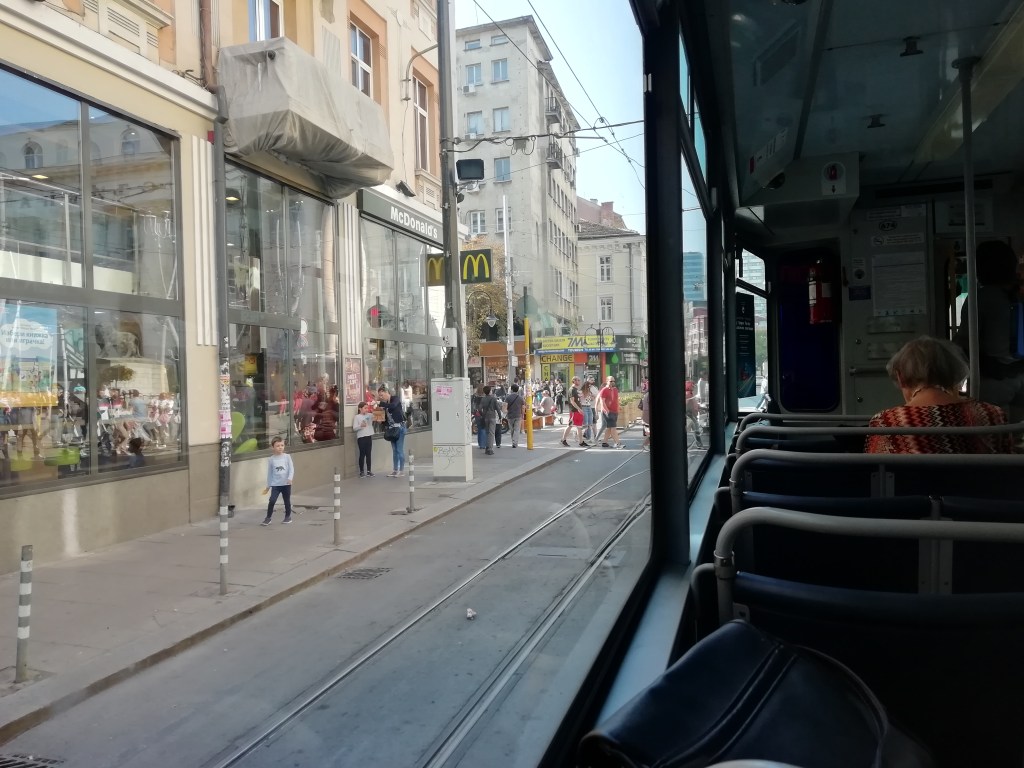
Sofia. It was 1993. Or was it 1994? Spring. Or was it early summer? Definitely a teenager in a big city. Shortly after the fall of the Soviet Union. The end of the Iron Curtain reveals a city numb and suspended, hustling to cover its nudity. In search of a new identity. Transition. Or was it me looking for my self identity, trying to answer ‘who am I’ in my journey toward adulthood? Sofia was belatedly discovering the –once upon a time- sinful western sixties. Or was it me that –under big brother’s influence – adopted the sixties counterculture, a revolution in social norms..??
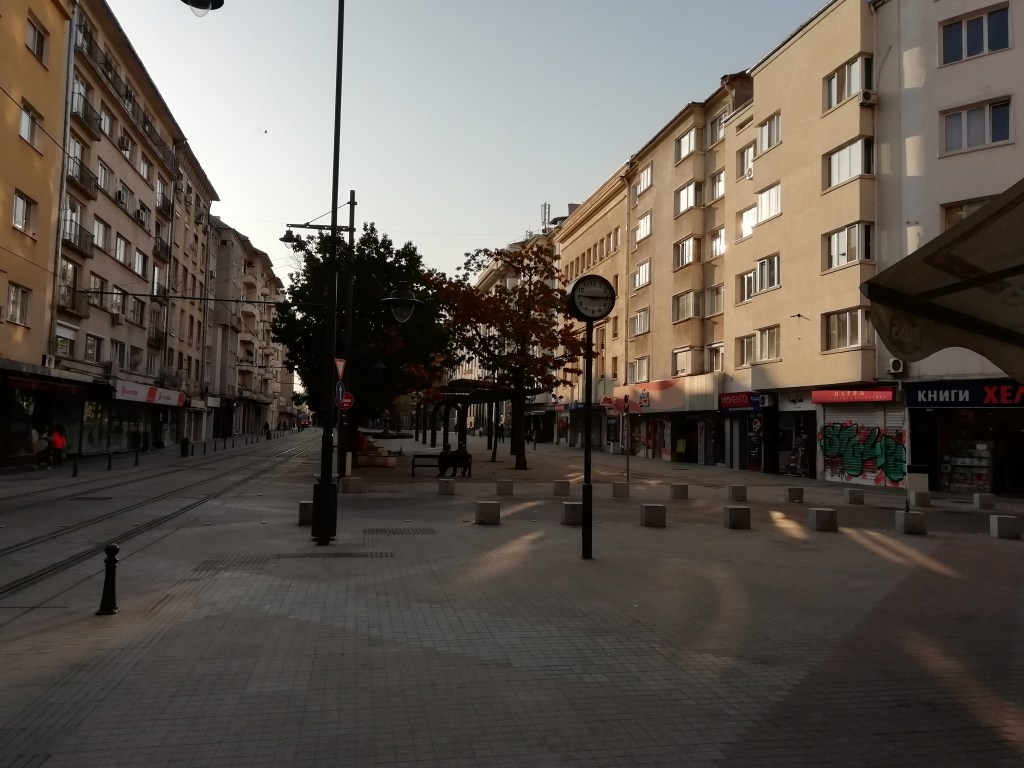
In the course of time, a picture has been engraved in my memory: grandiose boulevards, tree- lined avenues, cobbled streets, parks and vast gardens. Everything though covered by a thick and dismal mist. Grey city, grey people. In this city sun was missing.
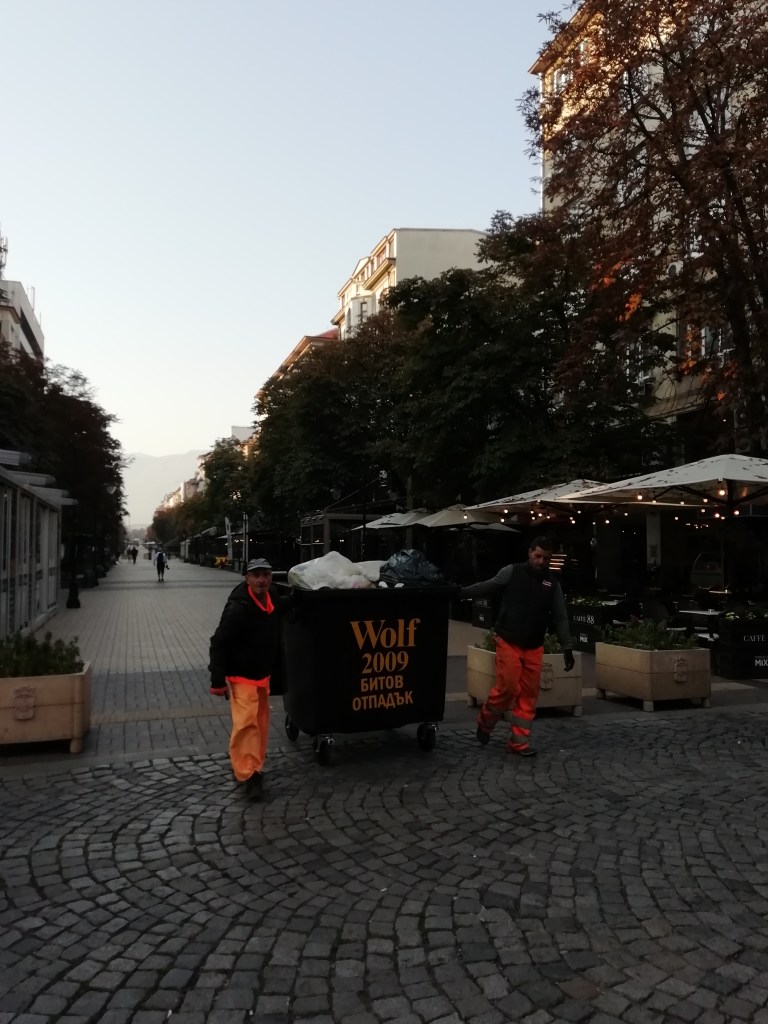
Sofia. October 2019. I plan a corrective emotional experience. Together with my Bulgarian friend Maria, it’s high time to give Sofia a second chance.
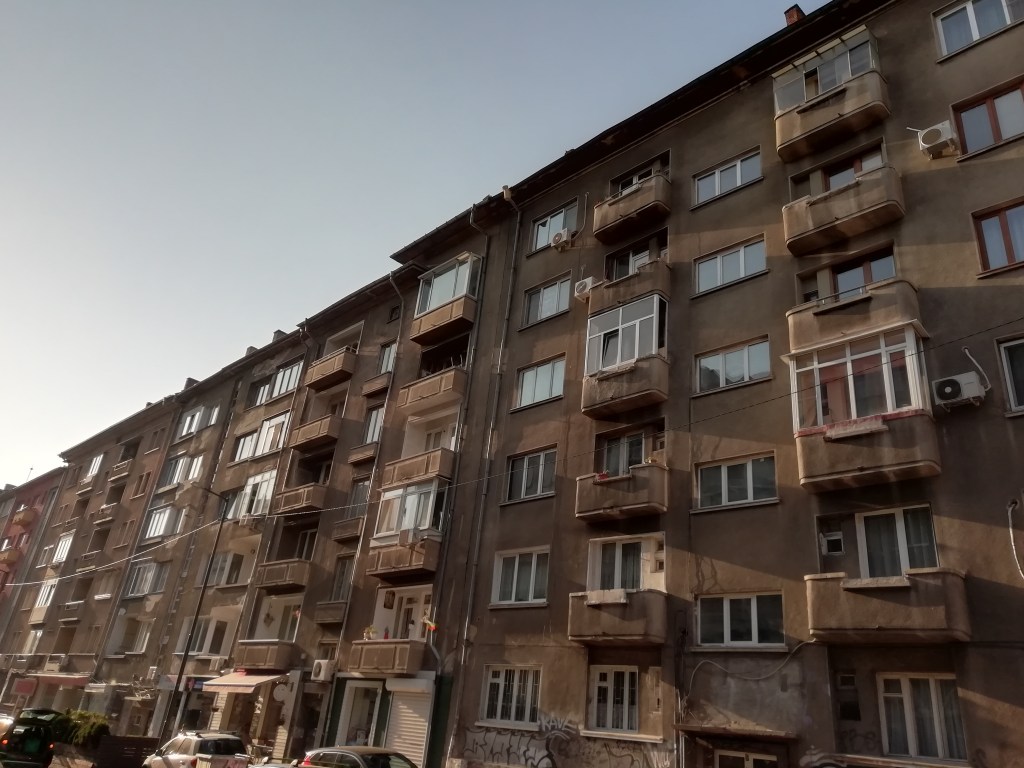
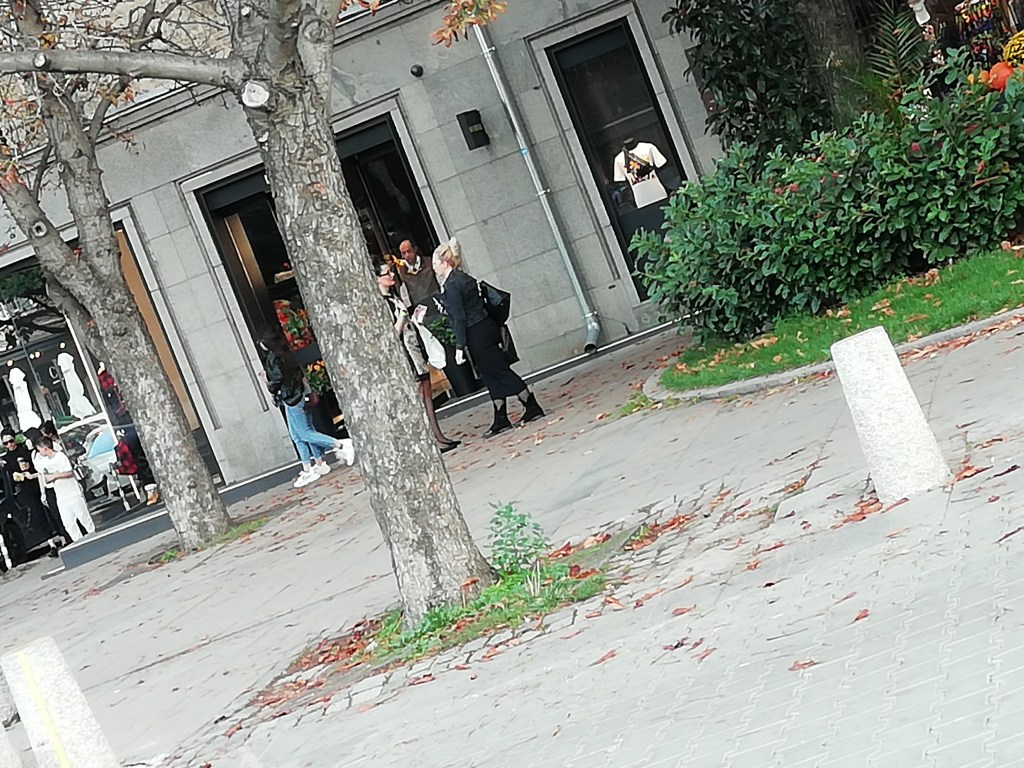
It’s Saturday, the day dawned and I’m walking in the Vitosha Boulevard. The city wakes up, stores are getting ready to welcome their clients while the street sweepers keep street looking its best. Everything around is …”confident”, “normal”, “western”. Few hours later a scandalously bright and warm sun will give the city a certain kind of allure. Even the epic Soviet- era public housing blocks seem charming and …classical vintage! Is it because of this unexpected light that has transformed everything around me ? Has the city changed? Or is it me I’ve changed?
Σόφια. Ήταν 1993. Ή μήπως 1994; Άνοιξη. Ή μήπως αρχές καλοκαιριού; Έφηβη στη μεγάλη πρωτεύουσα. Λίγο μετά την κατάρρευση της Σοβιετικής Ένωσης. Το Σοβιετικό παραπέτασμα είχε πέσει για να αποκαλύψει μια Σόφια μουδιασμένη και μετέωρη, εκτεθειμένη να ψάχνει άρον άρον να καλύψει τη γύμνια της. Σε αναζήτηση μιας νέας ταυτότητας. Μετάβαση. Ή μήπως ήμουν εγώ σε αναζήτηση ταυτότητας στην πορεία μου προς την ενηλικίωση; Η Σόφια ανακάλυπτε καθυστερημένα τα προ ολίγου αμαρτωλά δυτικά sixties. Ή μήπως ήμουν εγώ που (επιρροή του μεγάλου αδερφού) έντυνα την εφηβεία μου με τη sixties κουλτούρα;
Στη μνήμη μου ήταν μια πόλη που μεγαλόπρεπα απλώνεται σε πελώριους δρόμους και πάρκα κάτω από ένα πέπλο κάταχνο, βαρύ, γκρίζο και καταθλιπτικό. Γκρίζα πόλη, γκρίζοι άνθρωποι. Σε αυτή την πόλη έλειπε το φως.
Σόφια. Οκτώβριος 2019. Ξεκινώ και έχω ήδη ονοματίσει τη σκασιά στη γειτονική πρωτεύουσα «διορθωτική εμπειρία». Με τη Μαρία παρέα (βουλγαρικής καταγωγής ) έχω δυνατό σύμμαχο στο εγχείρημα. Εξάλλου όλοι έχουμε δικαίωμα σε δεύτερες ευκαιρίες (και τρίτες κατά άλλους…)
Είναι πρωινό Σαββάτου και περπατώ στη Βίτοσα. Η πόλη ξυπνά, τα μαγαζιά ετοιμάζονται να υποδεχθούν τον πελάτη, οι οδοκαθαριστές φροντίζουν για την ευταξία. Όλα δείχνουν …’σίγουρα’, ‘κανονικά’, ‘ δυτικά’. Λίγες ώρες μετά θα σκάσει και ένας ήλιος –σκάνδαλο που θα δώσει μια αίγλη σε τούτη την πόλη, μια αίγλη σχεδόν αυτάρεσκη. Ακόμη και τα σοβιετικά μπλοκ που τόσο με τρόμαζαν τότε, σήμερα μου φαίνονται θα έλεγα ‘συμπαθητικά’, μια ανάμνηση βίνταζ (!) του χθες. Είναι το απρόσμενο αυτό φως που έχει ‘μεταμορφώσει’ τα πάντα γύρω; Η πόλη έχει αλλάξει; Ή μήπως εγώ;
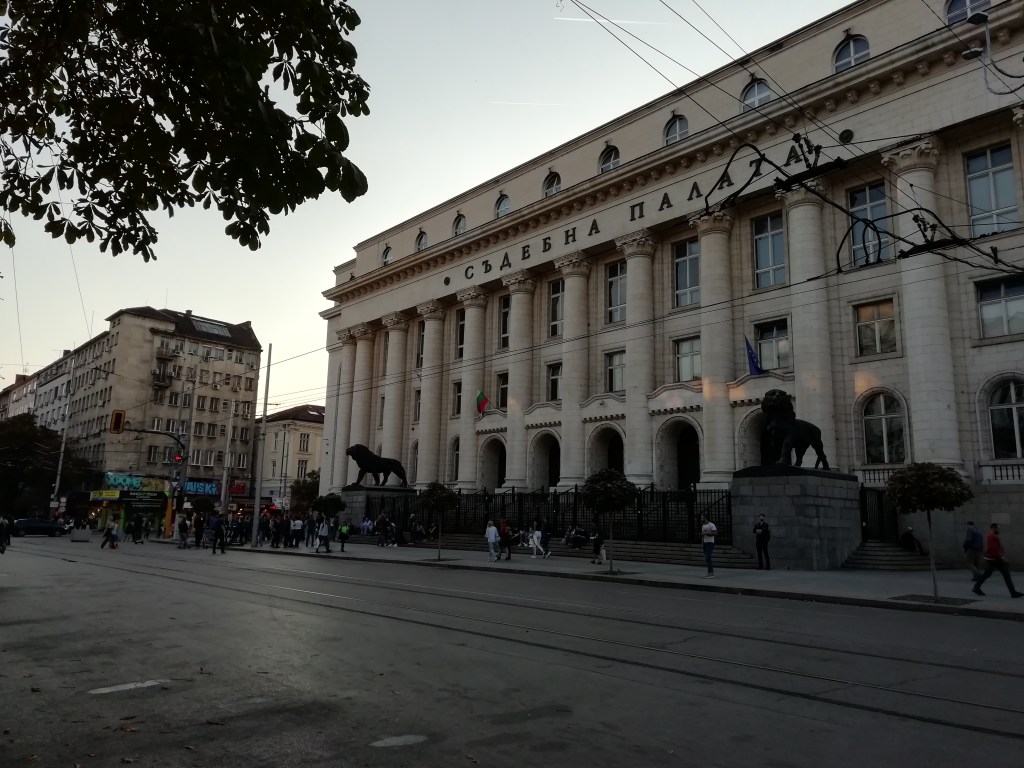

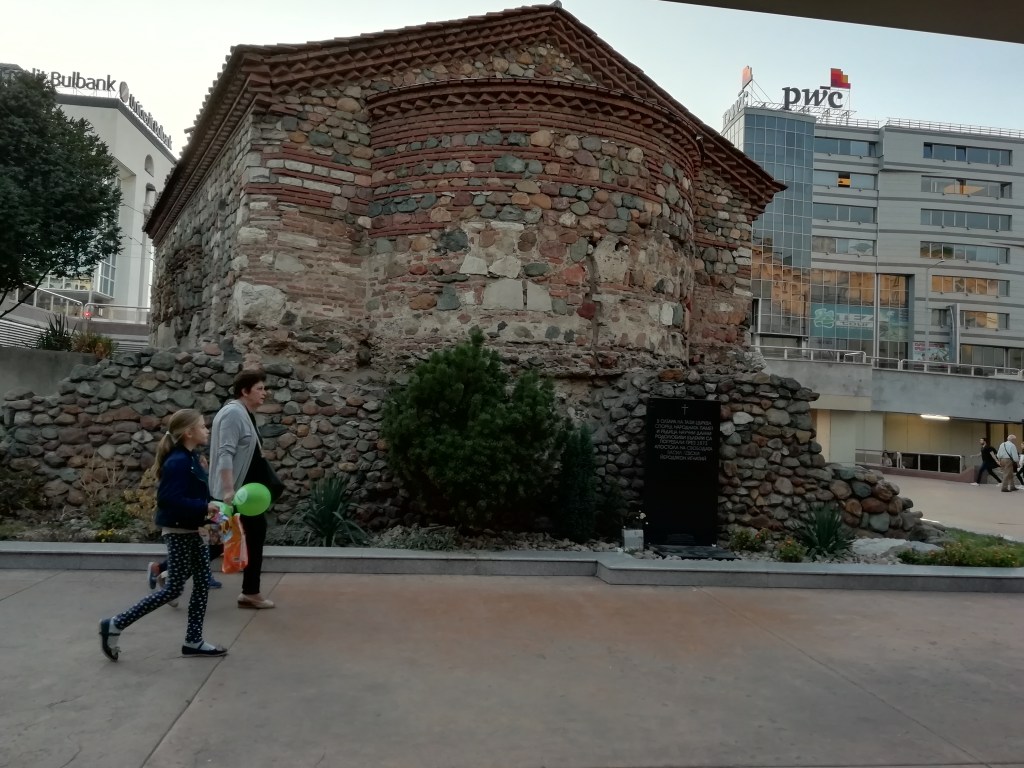
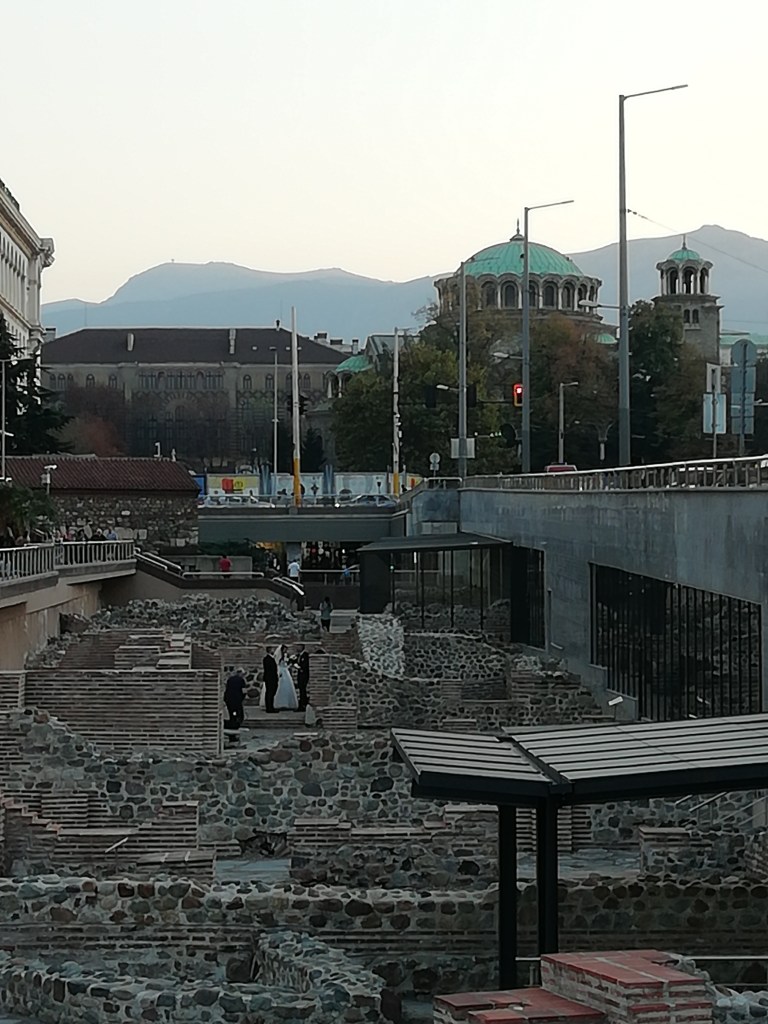
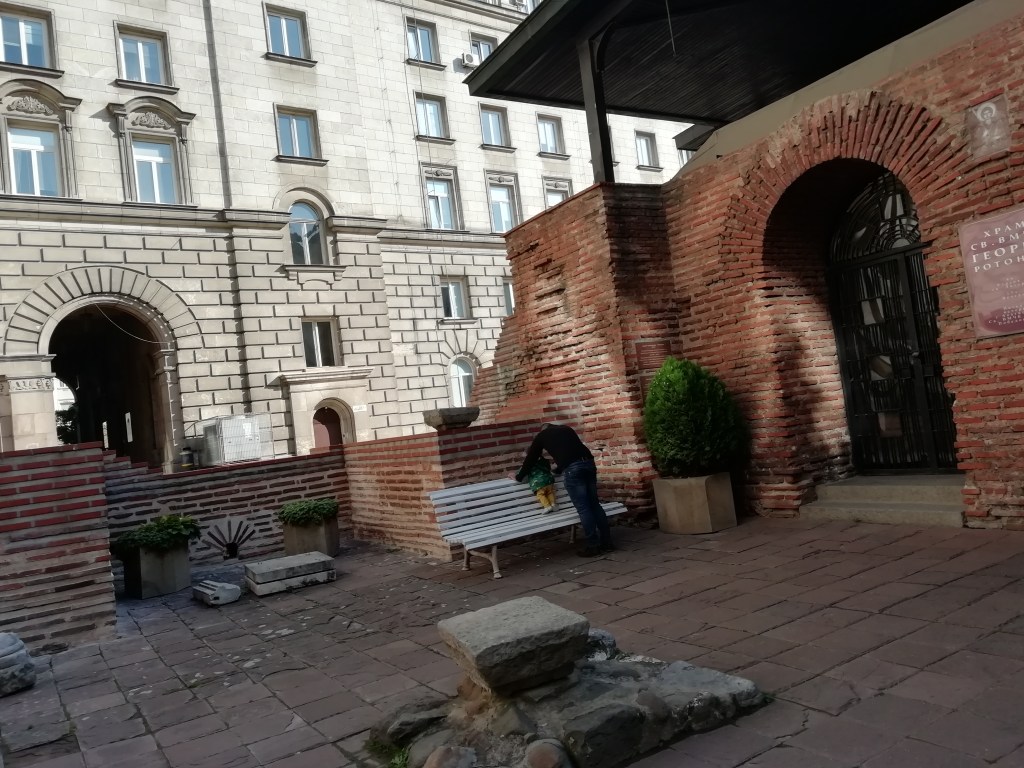
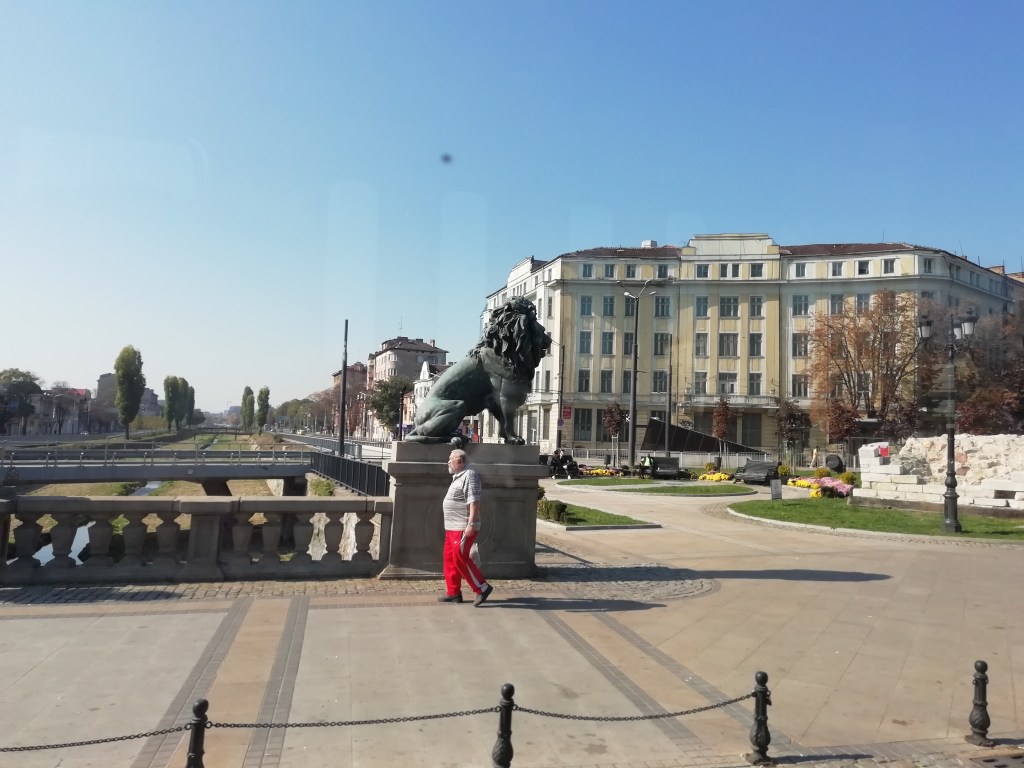
The Court House and the National Theater Ivan Vazov in their shimmering version. The city in the meantime has brought out the connection with its roman past. The subway construction uncovered a city under the city, remnants of Serdica the ancient Roman city.
Bulgaria is considered the poorest nation in the European Union. Well, I did not encounter pensioners trying to supplement their meager pensions by digging through rubbish bins. What I saw is top- model luxury cars speed along the streets and stylish and show off stores and people. Obviously Sofia knows pretty well how to secure its centre from the …inconveniences. ‘Travelling Russia’ Kazantzakis book springs to my mind. In the aftermath of the Revolution the author visits the country that seemed to lead the human thought to a new era. Among many he encounters a local who narrates how Catharine the Great supervising her reign and citizens by herself she actually faced from her coach a scenic design, stylized and idealized version of reality
No, I refuse to see what’s behind. I will pretend in full consciousness I am Catharine the Great and I kindly request you to leave me in my illusion.
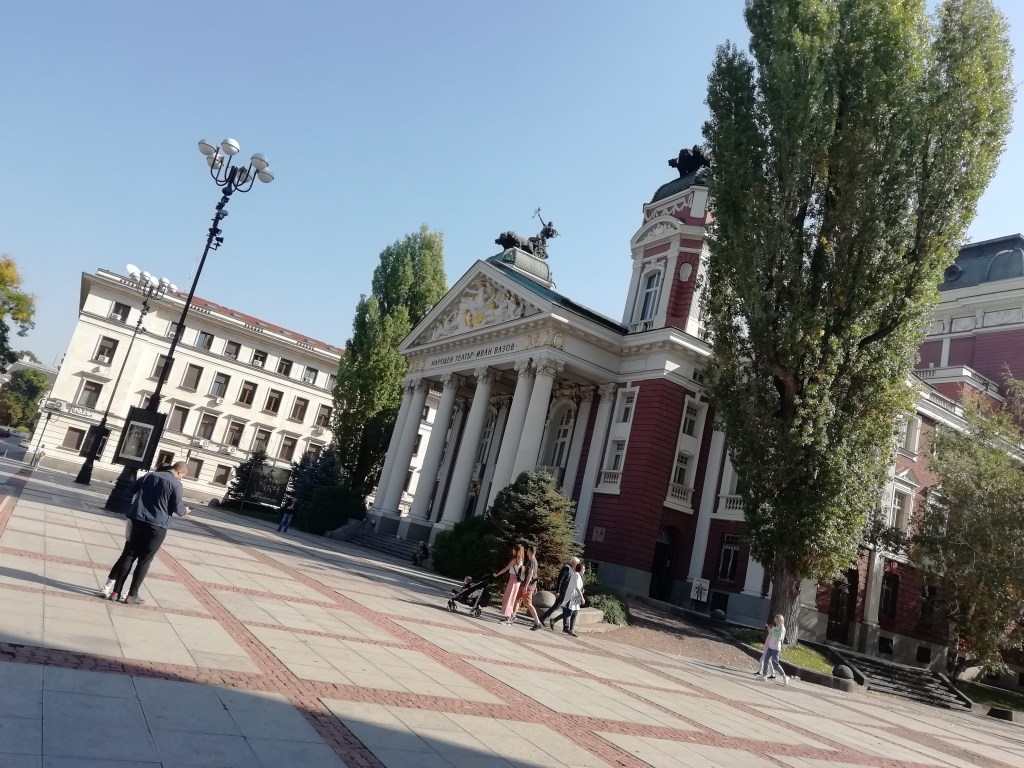
Το Δικαστικό Μέγαρο και το Εθνικό Θέατρο Ivan Vazov στην ιλουστρασιόν εκδοχή τους! Η πόλη ανέδειξε στο μεταξύ τη σύνδεσή της με το ρωμαϊκό της παρελθόν, καθώς οι εργασίες για το μετρό στο κέντρο της πόλης έφεραν στο φως τα απομεινάρια της πόλης Σέρντικα. Και να , σήμερα αποτελεί αξιοθέατο, είσοδο στο μετρό ‘στάση Serdica’ και …σκηνικό γαμήλιας φωτογράφησης!
Η Βουλγαρία βρίσκεται στο κατώτατο σημείο του βιοτικού επιπέδου μεταξύ των κρατώ-μελών της Ευρωπαϊκής Ένωσης, αλλά ξέρει και το κρύβει καλά στο κέντρο της πρωτεύουσάς της: καταστήματα και άνθρωποι φιγουρίνια ρεκλάμας ! Στο μυαλό μου έρχεται το ταξιδιωτικό αφήγημα του Καζαντζάκη σαν πήγε στη σοβιετική Ρουσία και ένας καλοθελητής του μίλησε για τα επιμελημένα σκηνικά που στήνονταν στο πέρας της άμαξας της Μεγάλης Αικατερίνης, όταν εκείνη επιθεωρούσε τις συνθήκες ζωής των υπηκόων της. Όχι, δεν επιθυμώ να δω το από πίσω. Θα υποδυθώ τη …Μεγάλη Αικατερίνη, παρακαλώ εν πλήρη συνειδήσει αφήστε με στην πλάνη μου.
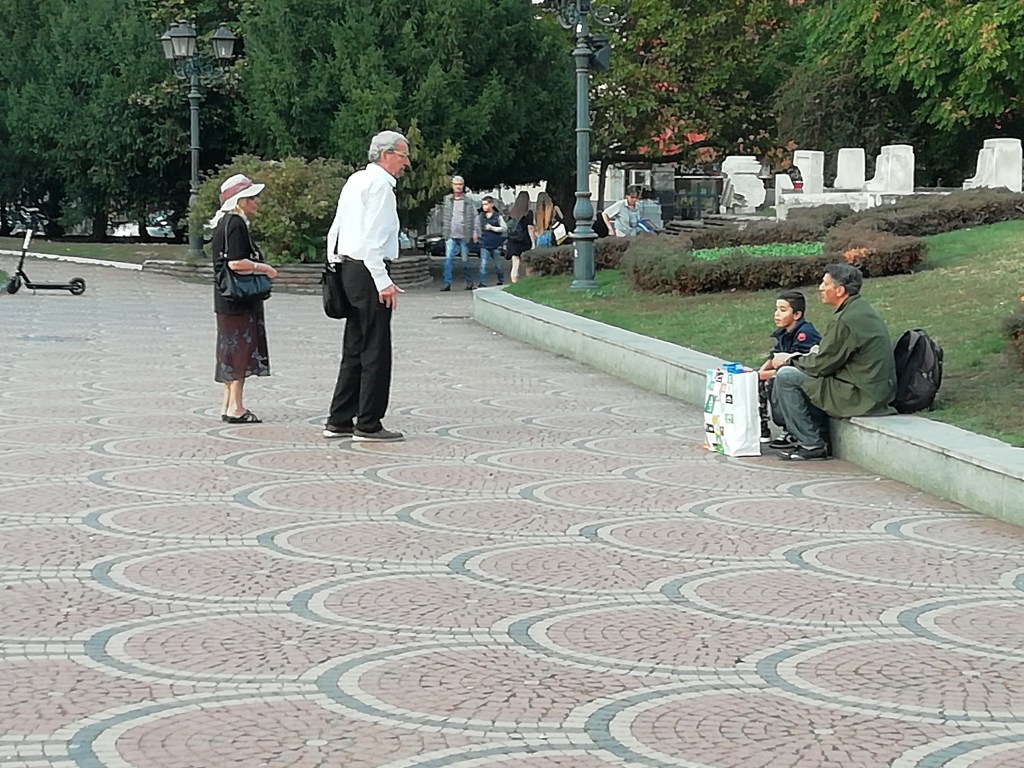
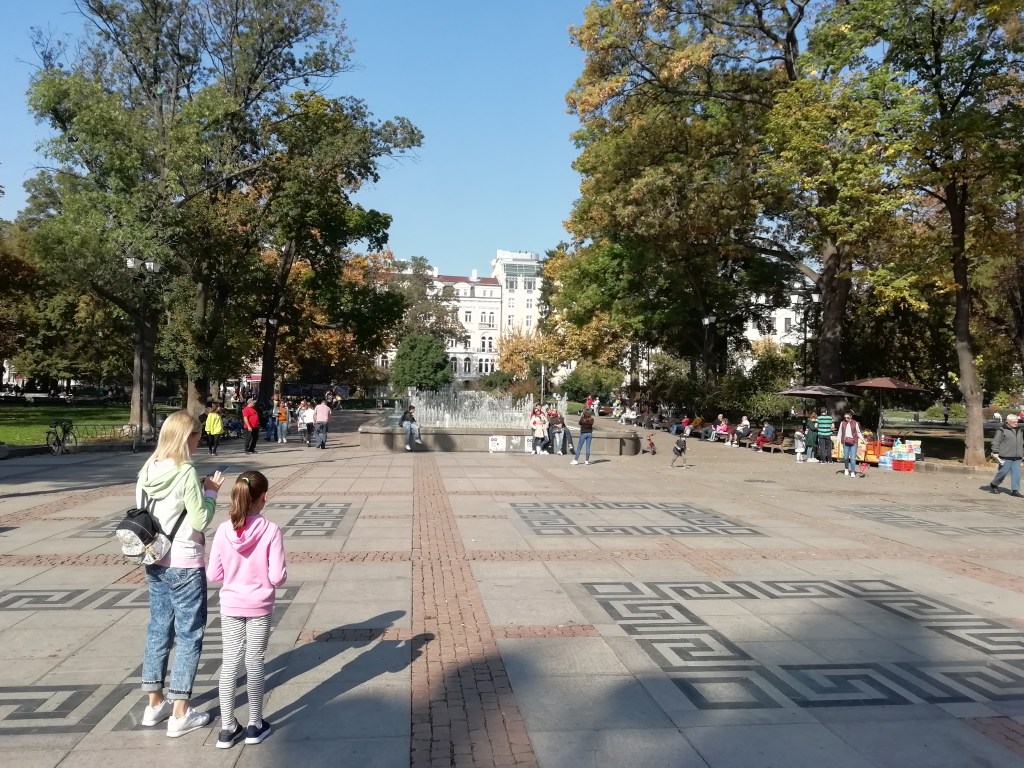


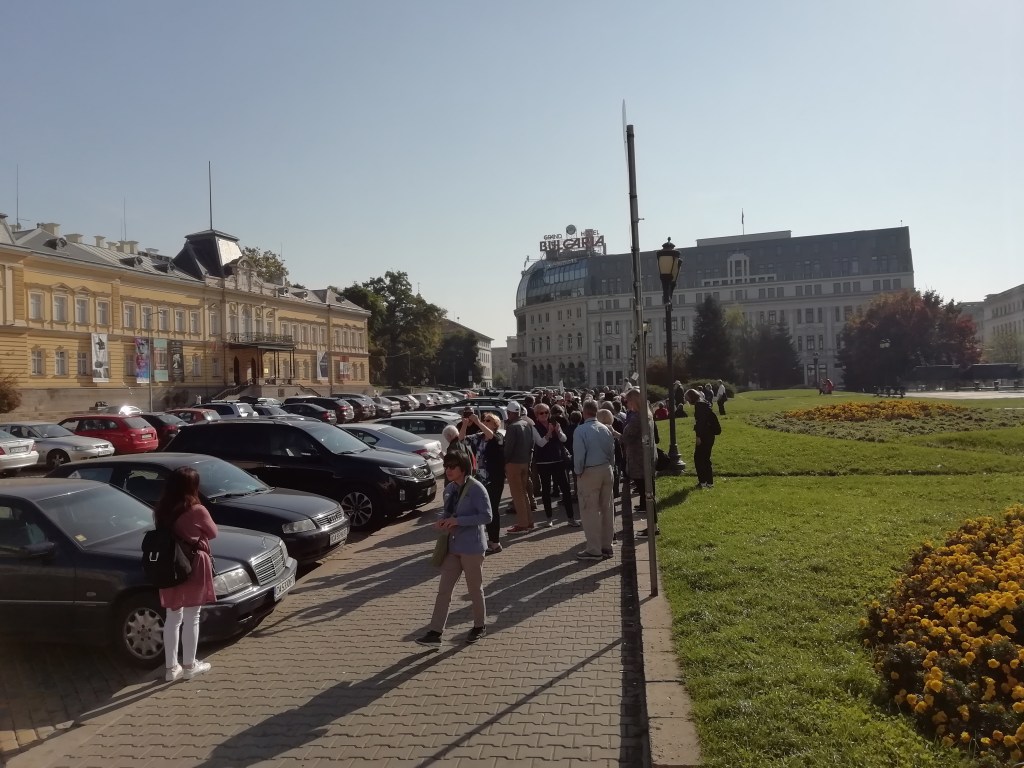
The National Art Gallery, Royal Palace once of the first Bulgarian Knyaz Alexander I Battenberg, houses thousands pieces of Bulgarian and international art. First Bulgarian king was nephew of Russia’s Tsar Alexander I, couldn’t say Bulgarian, but Russia had already helped Bulgaria gain independence from the Ottoman Empire.
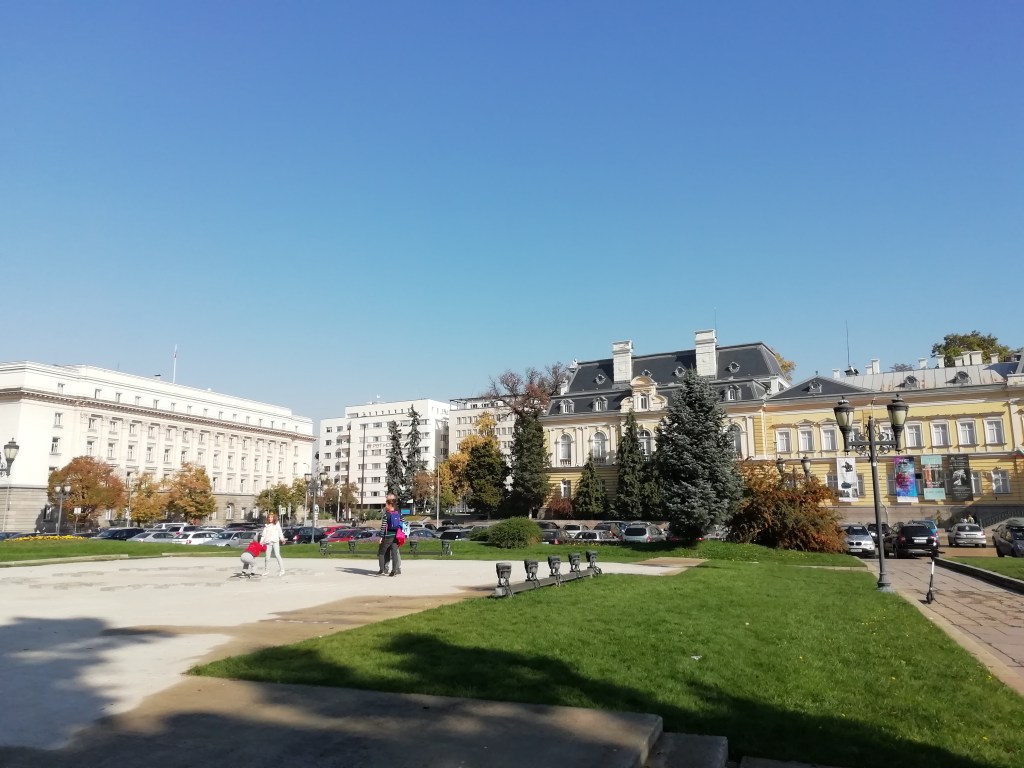
Across the building tourist groups are gathered and after a short talk from the guide, they load cameras/ phones and shoot targeting at the impressive building. For few seconds all heads in perfect harmony turn back, after instructor’s prompt. Nothing to see. No shooting. I hear Maria whiffling “they shouldn’t have demolished it”. The small concrete piece of earth across the National Art Gallery used to be the Georgi Dimitrov Mausoleum , built to contain the embalmed body of the first leader of Communist Bulgaria. The Mausoleum was destroyed in 1999 after a heated nationwide debate. Now children jump up and down. Do they know him? Do they ever gonna hear about the Leipzig trial and how he won word renown defending himself against his Nazi accusers?


Η Εθνική Γκαλερί φιλοξενεί εκθέσεις Βουλγάρων και ξένων καλλιτεχνών στις αίθουσες που πρωτοπερπάτησε ο πρώτος Βούλγαρος Πρίγκιπας Alexander of Battenberg, που Βούλγαρο βέβαια δεν τον λες ! Ας όψεται που Ρώσοι έβαλαν το χεράκι τους (το αρματωμένο) στην απελευθέρωση της Βουλγαρίας από την Οθωμανική κυριαρχία. Στο απέναντι πεζοδρόμιο έχουν μαζευτεί τα γκρουπ των τουριστών και μετά από τη σχετική εισαγωγή του ξεναγού οπλίζουν κινητά και κάμερες: στοχεύσατε- κλικ και αποθανατίζουν το εκπληκτικό κτήριο. Για λίγα μόλις δευτερόλεπτα, μετά από υπόδειξη του ξεναγού γυρίζουν το κεφάλι τους πίσω. Πίσω τίποτα, μια σπιθαμή τσιμέντου. Κανένα κλικ. Η Μαρία ξεφυσά ένα ‘δεν έπρεπε να το κατεδαφίσουν’. Τα τσιμεντένια τετραγωνικά ήταν κάποτε το μαυσωλείο του Γκέοργκι Δημητρόφ μέχρι το 1999, που κατεδαφίστηκε. Αυτή τη στιγμή παιδιά χοροπηδάνε στο τσιμεντένιο τετράγωνο. Τον ξέρουν άραγε; Έχουν ακούσει για τον πρώτο κομμουνιστή ηγέτη της Βουλγαρίας και την περίφημη απολογία του στη δίκη της Λειψίας ;
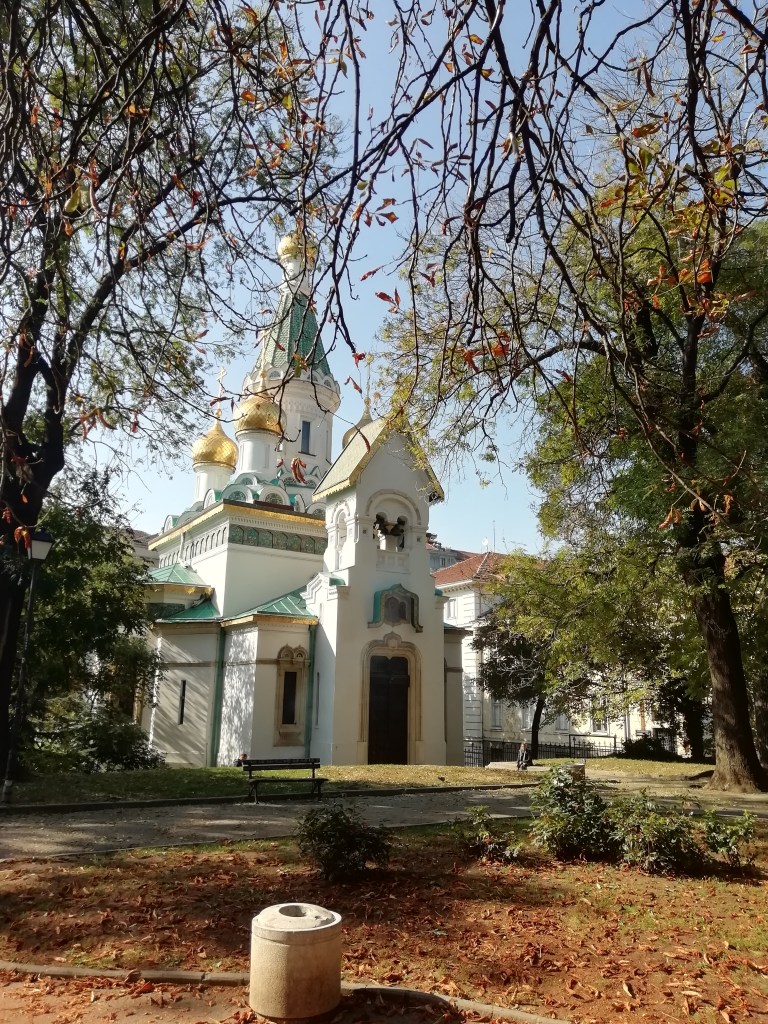
All of a sudden, the absence of a monument witnesses more than those standing winningly still over time. Obviously the transition demands a sacrifice, an Iphigenia to appease the goddess abate the ill winds that was keeping the Greek ships at anchor. And Dimitrov was the sacrifice for the ship to set sail for Troy, towards the global capitalism. In 1991 the new government decides to remove communist symbols from buildings in Sofia. From now on red stars, hammer and sickles and other communist era items will be on sale in the antique market opposite to the Saint Alexander Nevsky Cathedral, a church created in honor to the Russian soldiers who died during the Russo- Turkish war. Few minutes earlier we had already taken pictures of the Russian Church, built in 1914 for Sofia’s Russian community, now according to an urban legend makes prayers and wishes come true!
The giant statue of Lenin that used to dominate the central Sofia for 25 years, has been replaced by the kitschy statue of Sveta Sofia, a non- ideological figure, symbolizing wisdom…no matter how I look at it..still, doesn’t seem like depicting wisdom to me !
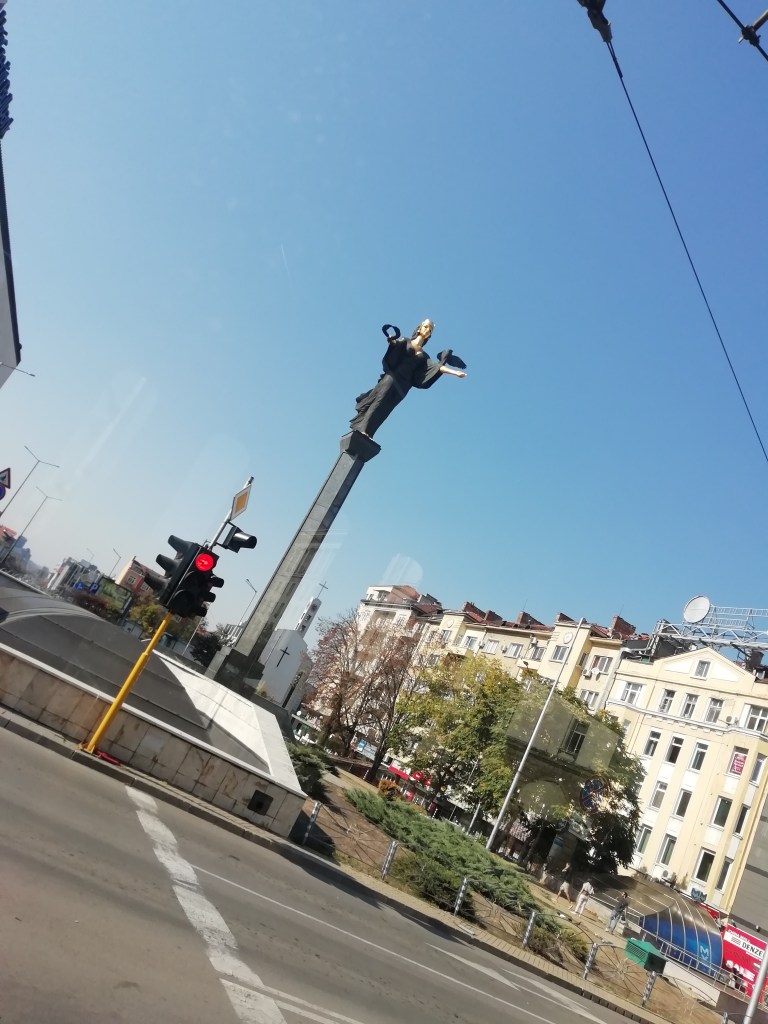

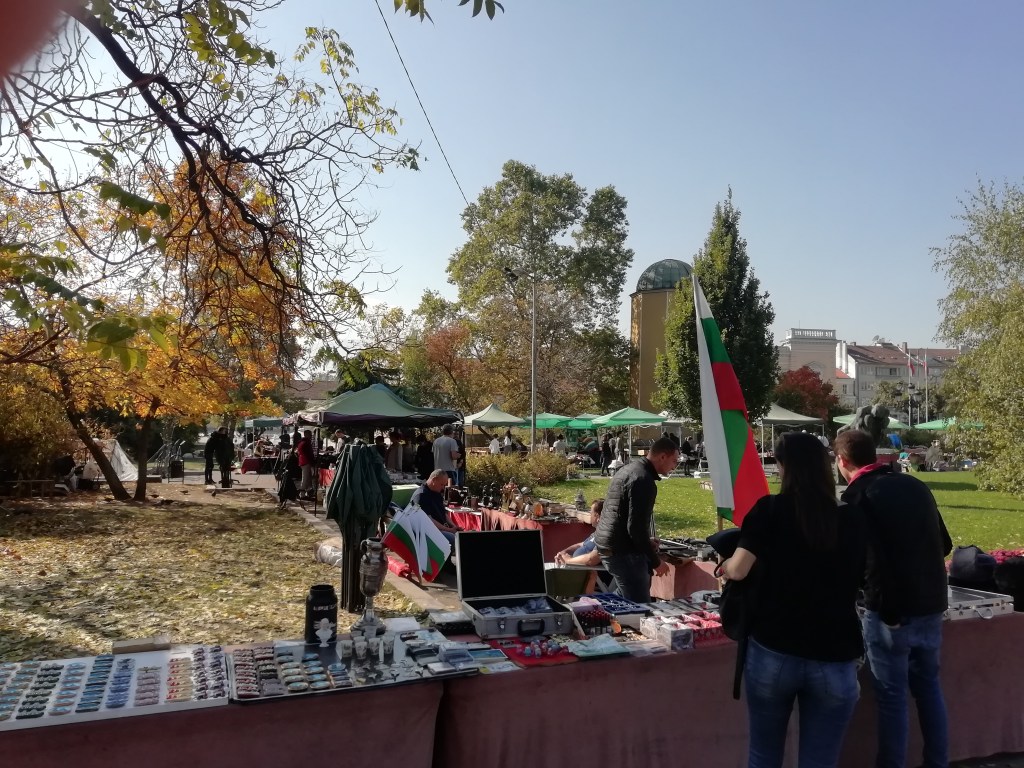
Ξάφνου η απουσία ενός μνημείου μαρτυρά περισσότερα από αυτά που στέκουν νικητήρια στο χρόνο. Η μετάβαση απαιτεί θυσίες και ως άλλη Ιφιγένεια ο Δημητρόφ έπρεπε να δοθεί θυσία, ώστε να ξεκινήσει με ούριο άνεμο το ταξίδι προς το δυτικό νεοφιλελευθερισμό.… Από το 1991 το Βουλγαρικό Κοινοβούλιο έχει διατάξει να απομακρυνθούν σύμβολα ‘ξένα ‘ όπως κόκκινα αστέρια και σφυροδρέπανα. Αυτά πλέον θα πωλούνται σουβενίρ στο πάρκο με θέα τον επιβλητικό Καθεδρικό Alexander Nevski, -αφιέρωμα στους ρώσους στρατιώτες που έχασαν τη ζωή τους στον αγώνα για την απελευθέρωση της Βουλγαρίας από τους Οθωμανούς. Μόλις είχαμε περάσει και από τη Ρώσικη Εκκλησία, που εξίσου τιμήθηκε με τα απαραίτητα κλικ! Το άγαλμα του Λένιν που κάποτε δέσποζε στη συμβολή των Λεωφόρων Μαρία Λουίζα και Αλεξάντροφ, έχει αντικατασταθεί από το άγαλμα της Σοφίας, αισθητικής…ασχολίαστης…
Απέναντι από το Πανεπιστήμιο Σόφιας το Μνημείο του Σοβιετικού Στρατού αποτελεί καμβά καλλιτεχνών ακτιβιστών για να κάνουν το πολιτικό τους σχόλιο. Έτσι, οι φιγούρες του μνημείου έχουν ‘ντυθεί’ με στολές αμερικανών ηρώων κόμικ, στο χρώματα της Ουκρανίας ή με ροζ μπογιά για να ζητήσουν συγγνώμη για τη συμμετοχή της Βουλγαρίας στην καταστολή της ‘άνοιξης της Πράγας’.
Κυριακή πρωί στο ξενοδοχείο χαζεύω από το παράθυρο του δωματίου μινιμάλ αισθητικής αλά μπάλκαν. Κορίτσια ντυμένα μαζορέτες περνούν από μπροστά. Διεθνοποιημένα καπιταλιστικά ήθη…
Και κάπου εκεί ψηλά ο αστεροειδής που ονομάστηκε 2371 Δημητρόφ σε απόλυτη άγνοια για το όνομά που φέρει και τι εστί καπιταλισμός , θα συνεχίζει τη μακάρια κυκλική τροχιά του…
Close to the University of Sofia, the Soviet Army Monument, built to honor the Soviet soldiers who died in Bulgarian efforts during WW II, is frequently used as a canvas for an anonymous array of artists for their political statement on multiple occasions. So, soldiers has been painted as super heroes and pop art icons, in blue and yellow- colors of the Ukrainian flag- or in colors of the Czech flag expressing an apology for Bulgaria’s support for the Soviet Troops who crushed the Prague Spring.
Its Sunday morning and I look out of the window from my – Balkan style minimal- hotel’s room. A group of cheerleaders walk by. Capitalist globalization!
By the meantime, somewhere up there the asteroid called Dimitrov 2371 in total ignorance of its name and what capitalism means goes on its serene path.




 ninetasland.com