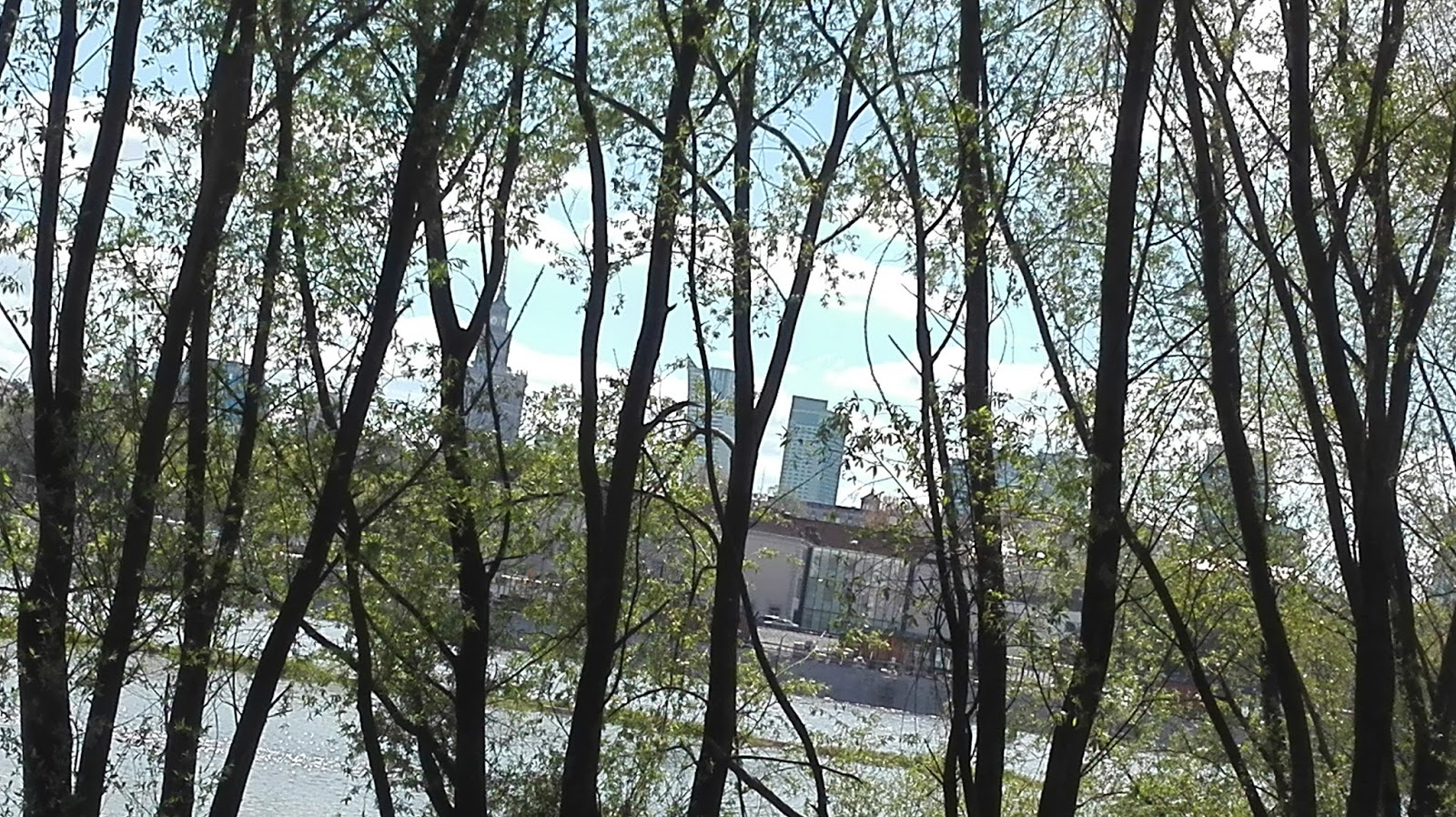
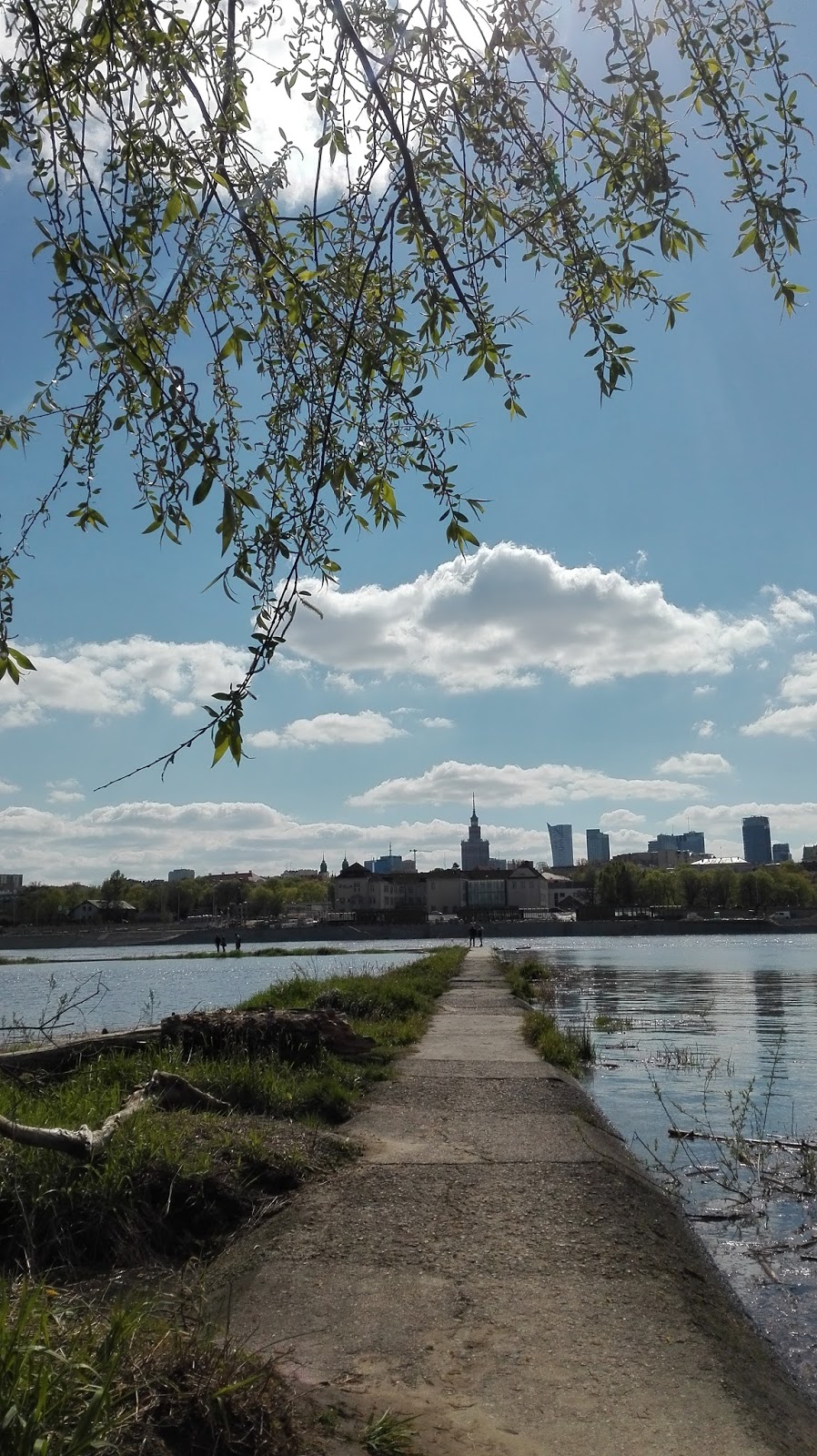
Poland. Warsaw. Evading the noisy and touristic Old Warsaw, we crossed the Vistula River to the east bank…

At the eastern bank of the Vistula River the Praga district is located.Wait, did I hear well? Did I read that right? Praga in Warsaw? Praguein Czech Republic? Hmmm, a ‘branch’ in Poland?
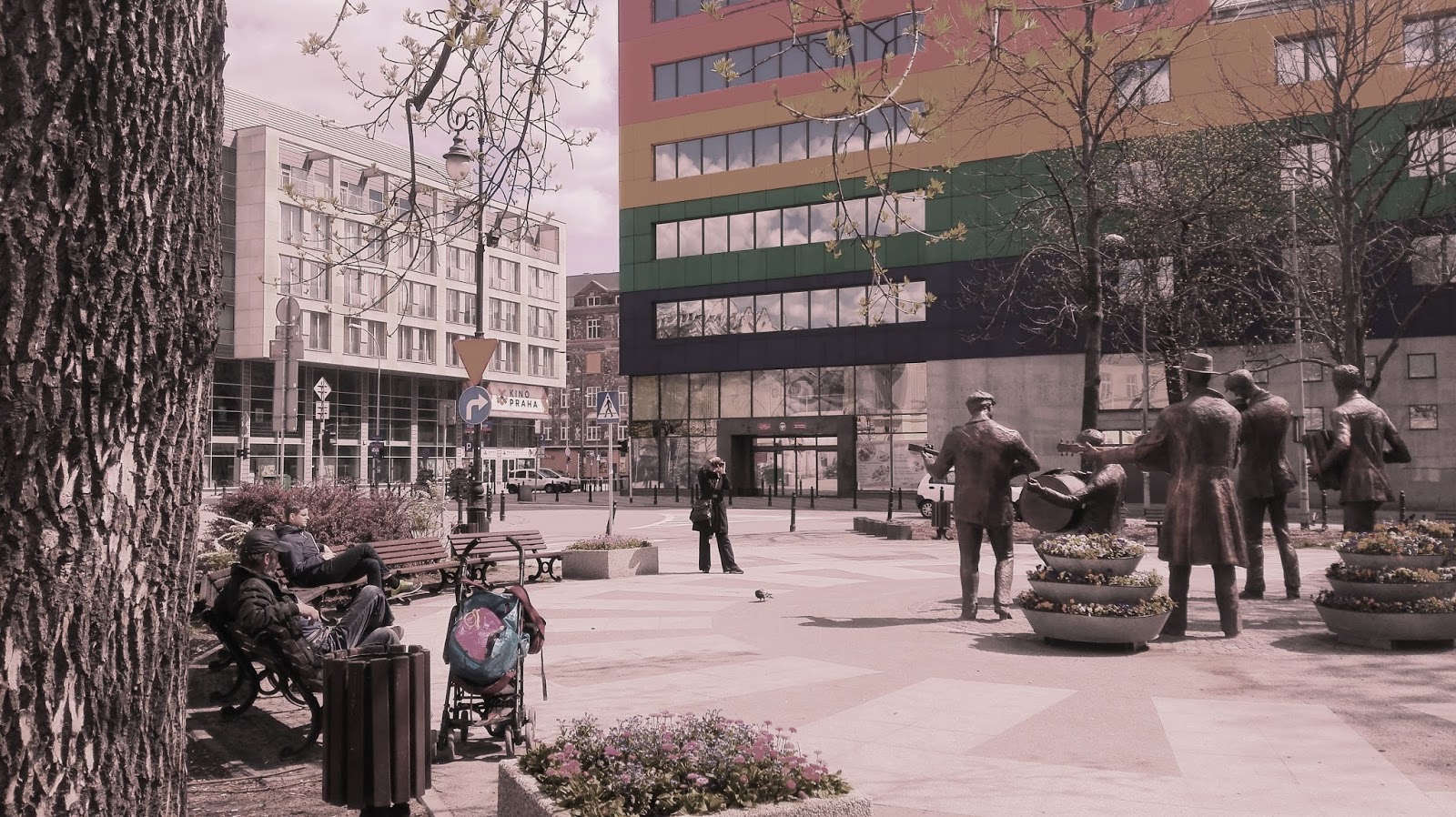
Lost somewhere in Praga…who knows where? We stood at a junction in front of a Cathedral. Holding a miserable map and poor printed notes after a sloppy internet research. And now what? Which direction to follow? What kind of a plan to carry out?
“Do you need help?”, a voice asked in British accent. A middle- aged diminutive man, clear face, vivid eyes, upright posture, a Gentleman. We spluttered something, something uncertain and obscure. The stranger though, somehow did make sense “Please, you can follow me, it’s in my way”…Mudded for a second but definitely ‘seduced’ by his ‘magic flute’, we followed. And here starts a tour back to time, a deep dive in history…
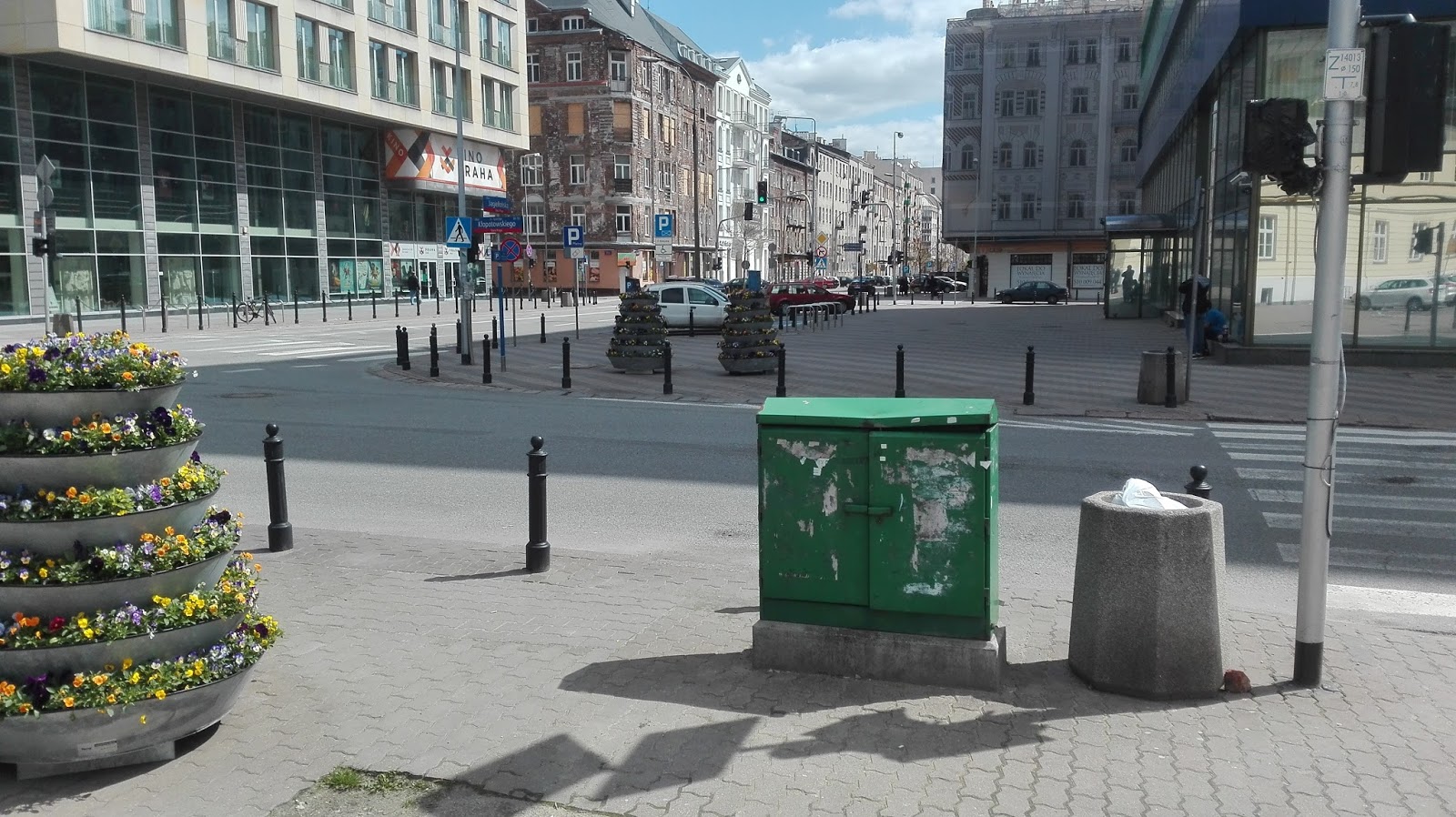
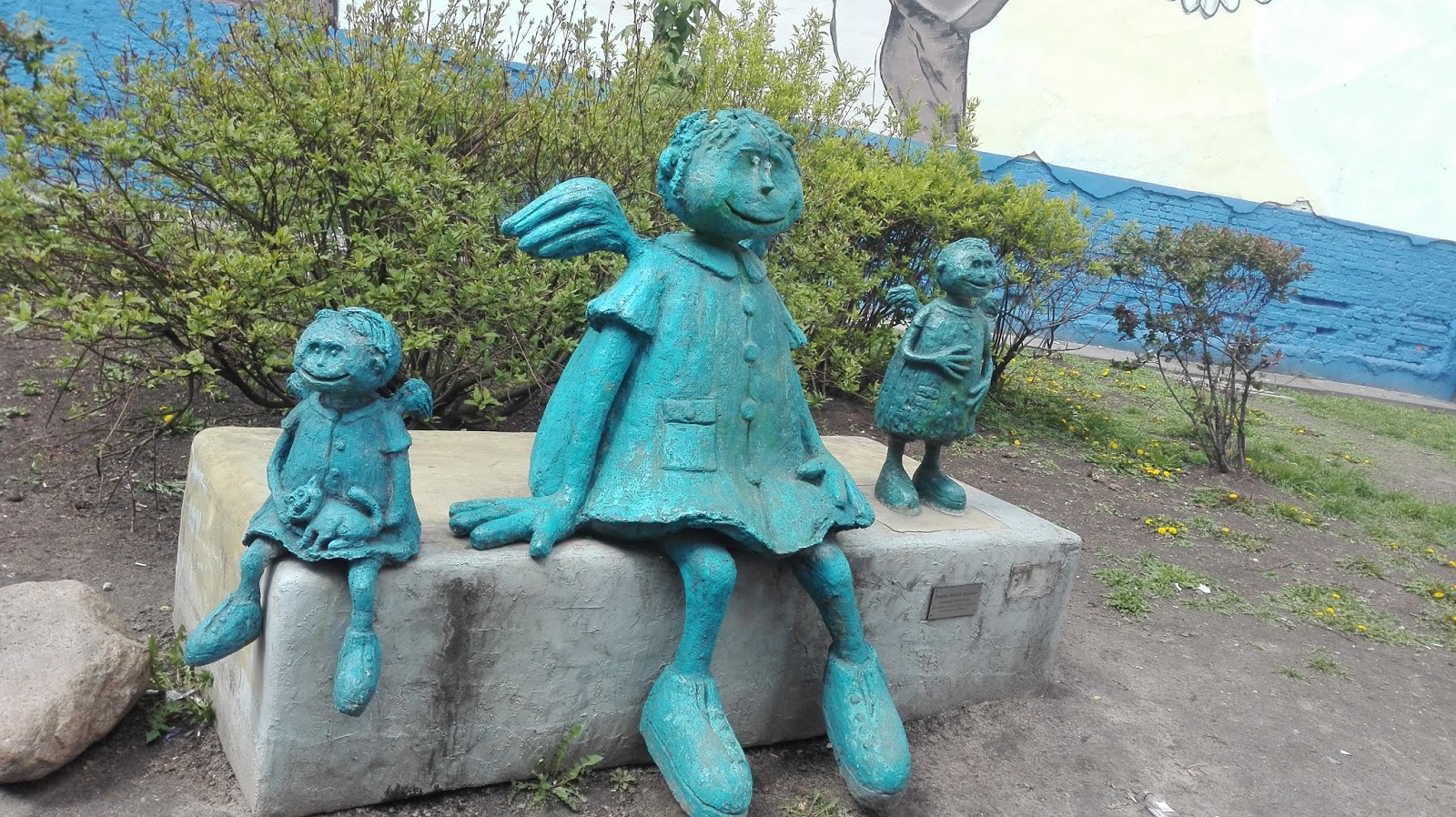
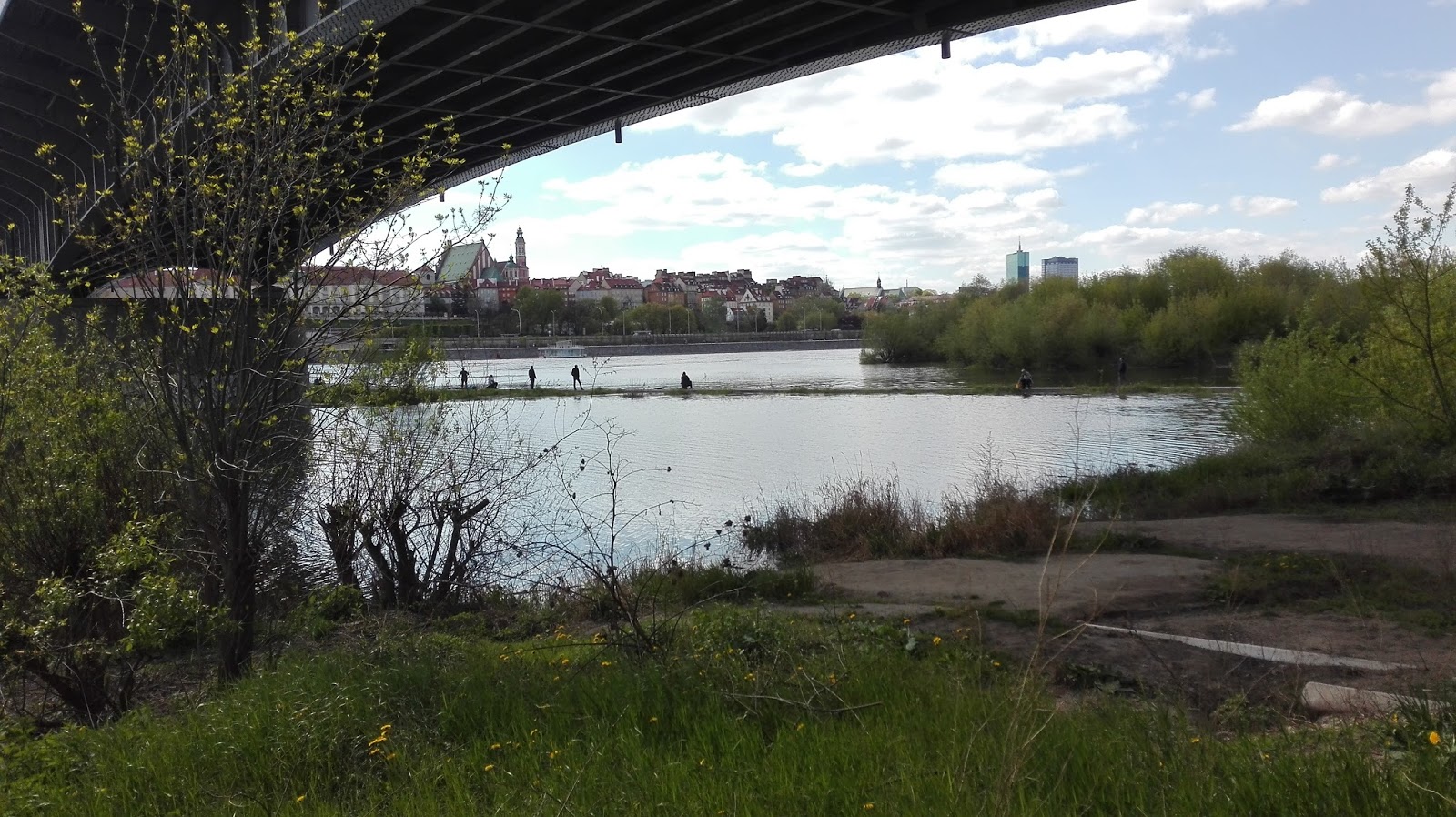
Although there were numerous attempts to build a permanent bridge across the river, none succeeded and Praga remained a separate entity well into the 18th century. Communication between the capital and Praga was maintained by privately run ferries and, in the winter, over the ice. Finally, in 1791, during the reign of Stanisław August Poniatowski, Praga was attached to Warsaw as a borough.
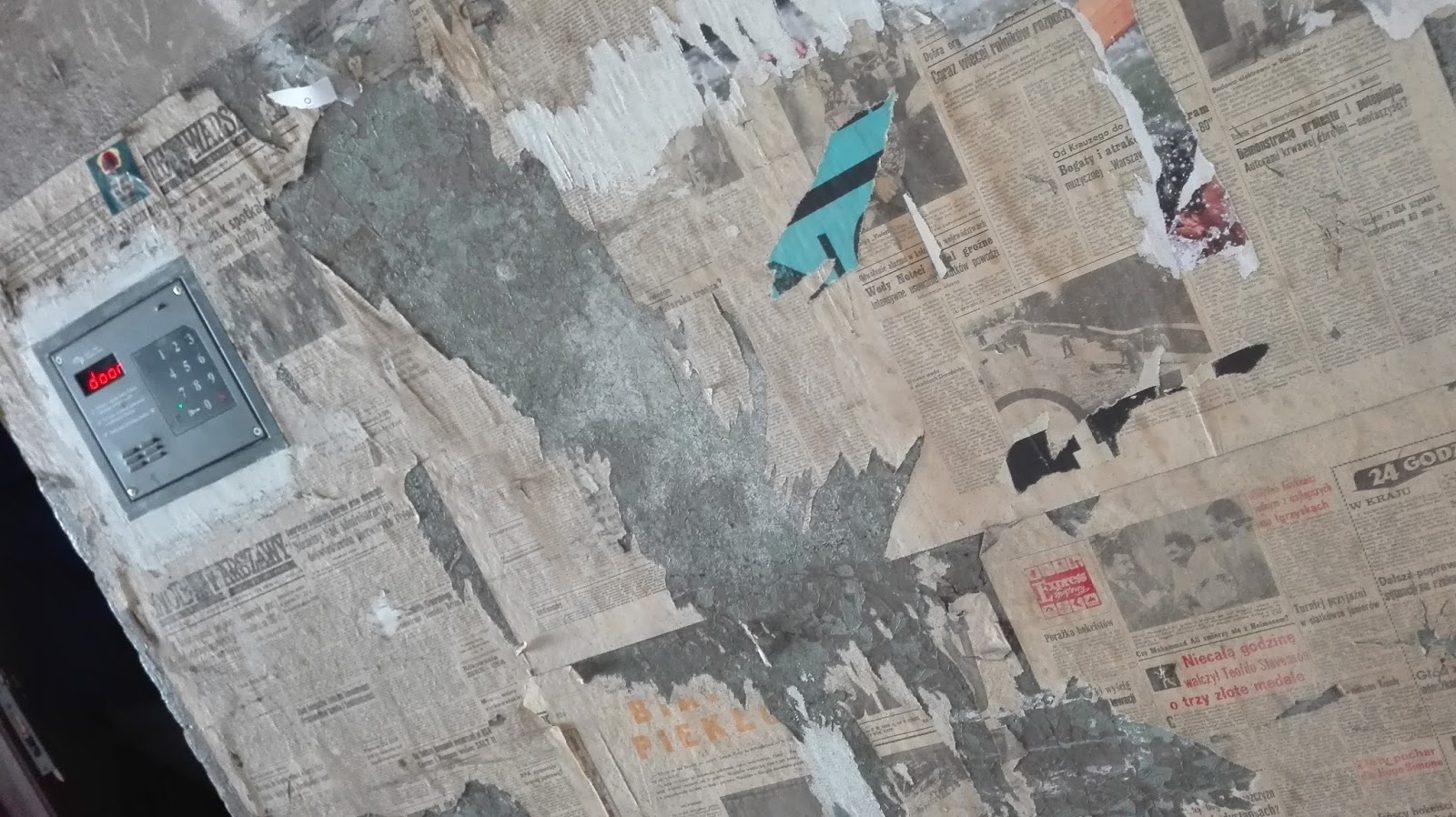
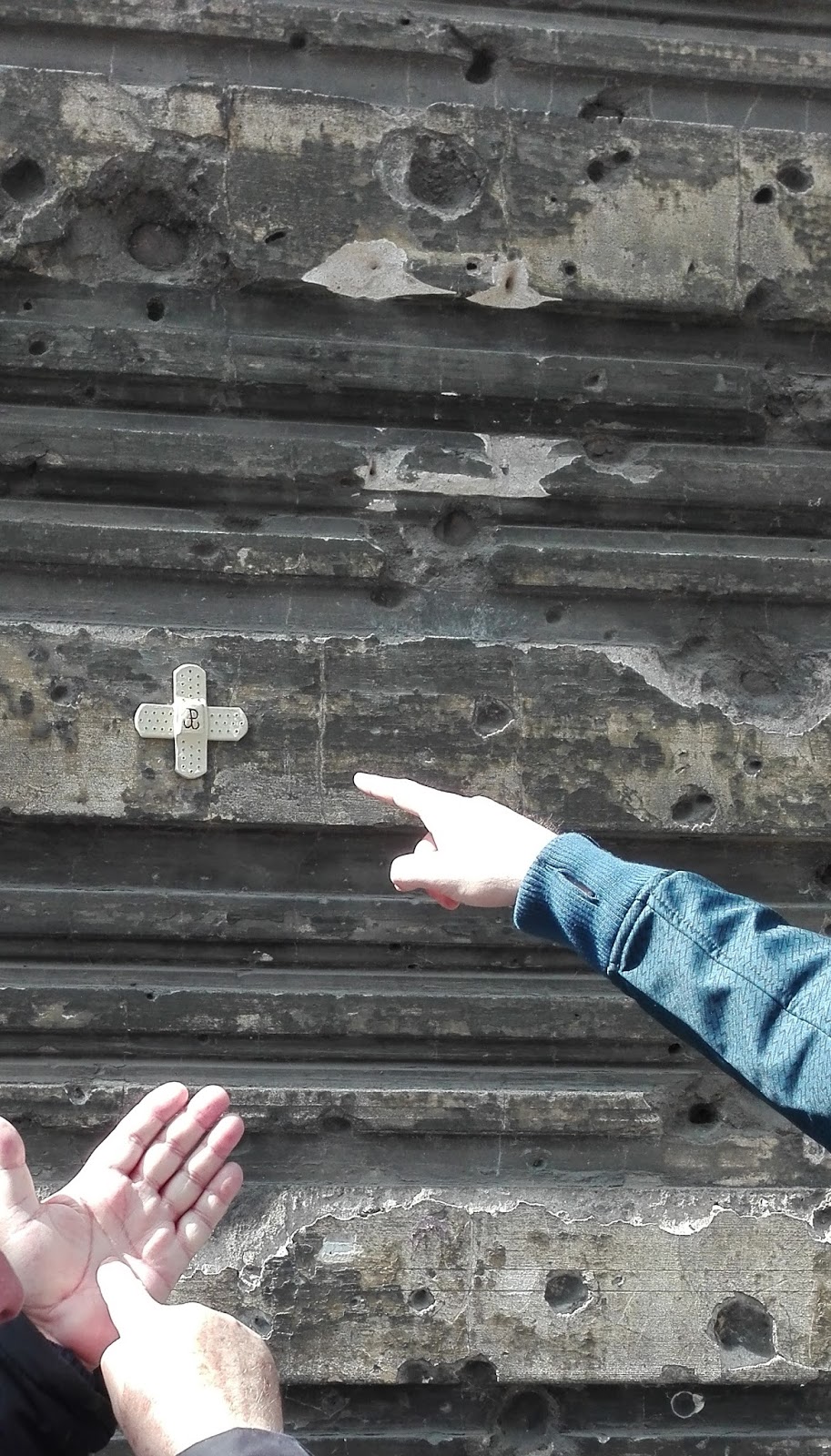
Unlike the western parts of Warsaw, Praga remained relatively untouched during World War II and in the postwar period of reconstruction, the capital was home to many ministries and public facilities.
The district experienced a revival following the end of Communism in 1989, as young artists moved into many of the former factory buildings, drawing crowds in search of something different from the old town.
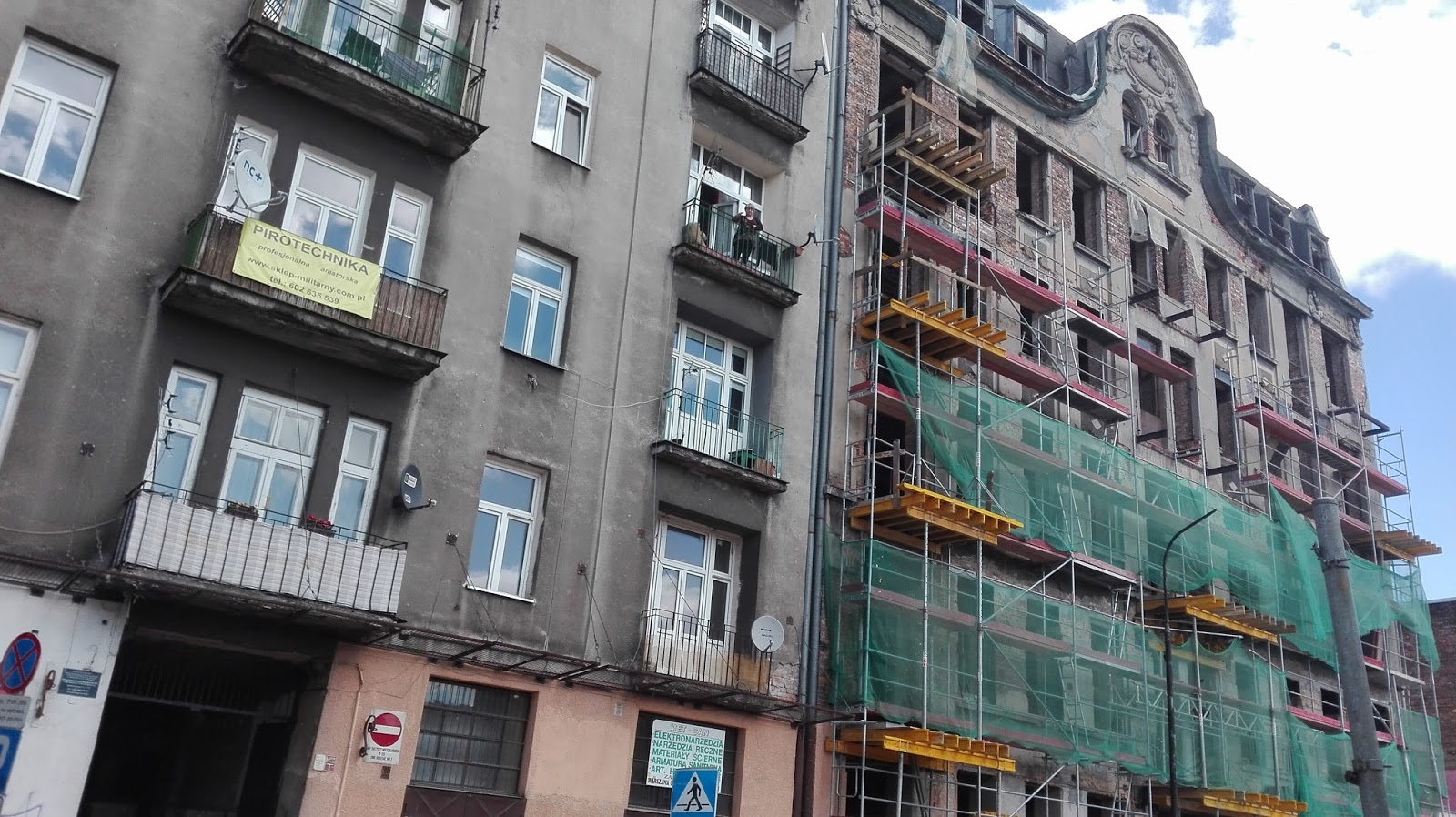
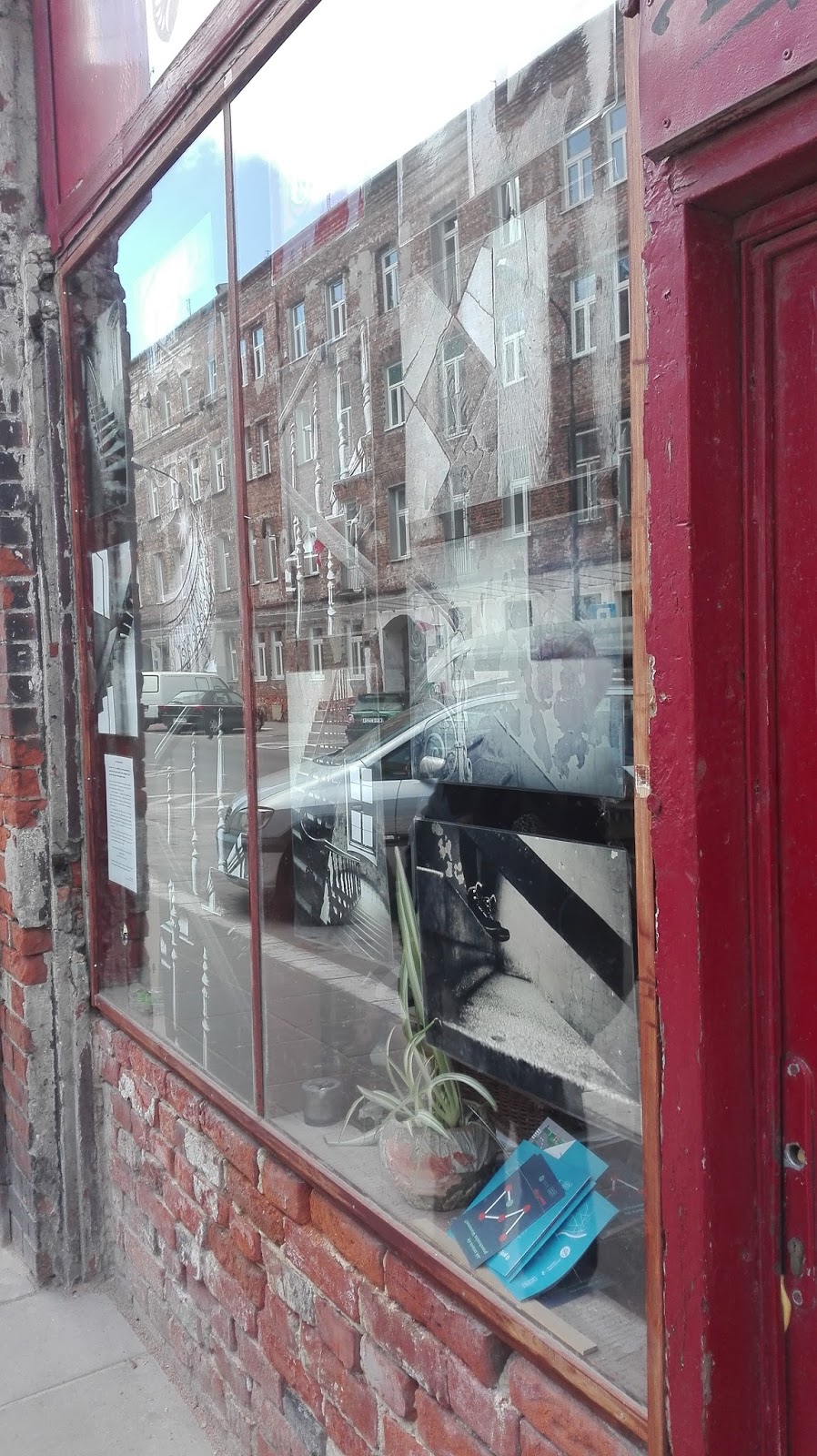
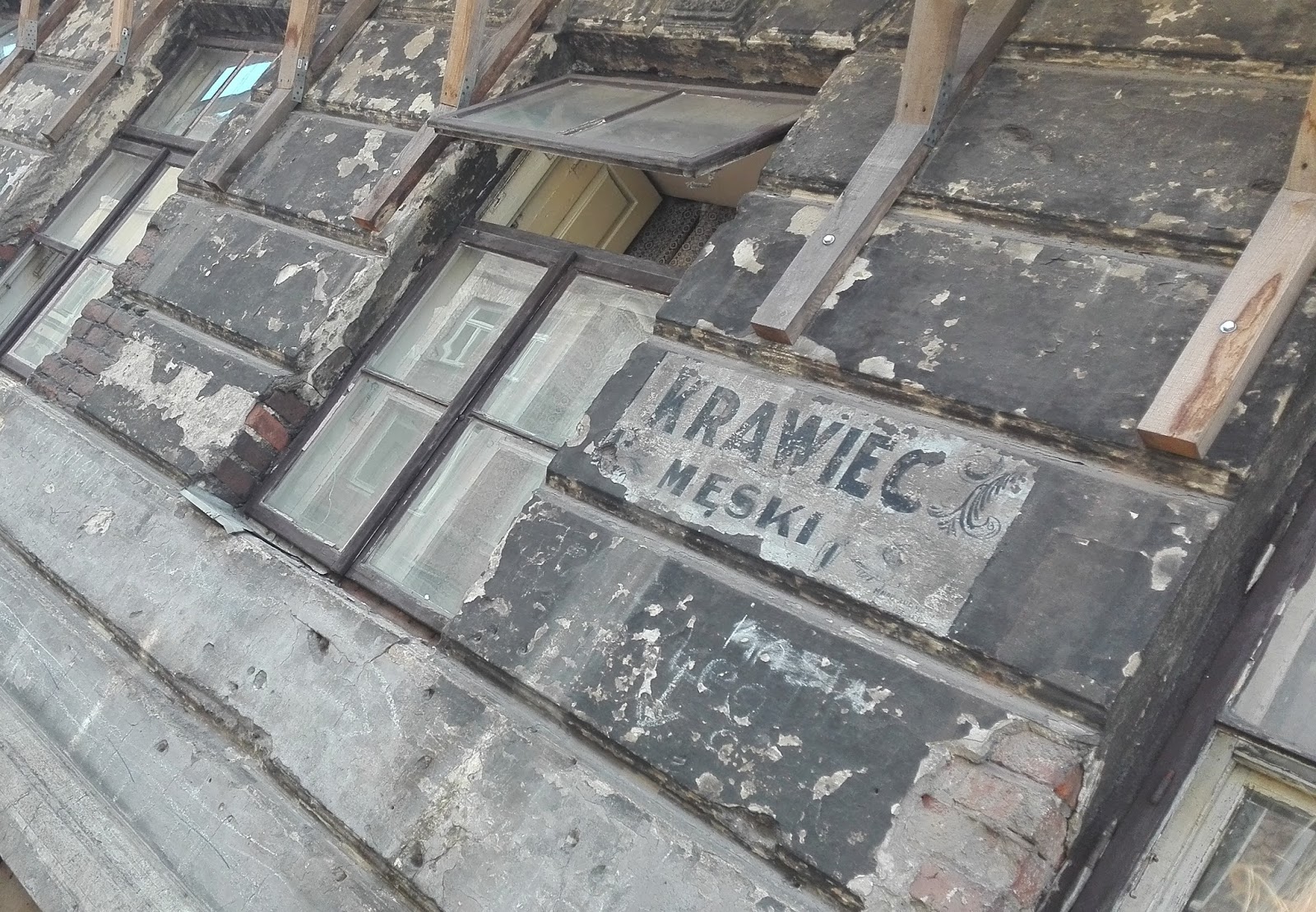

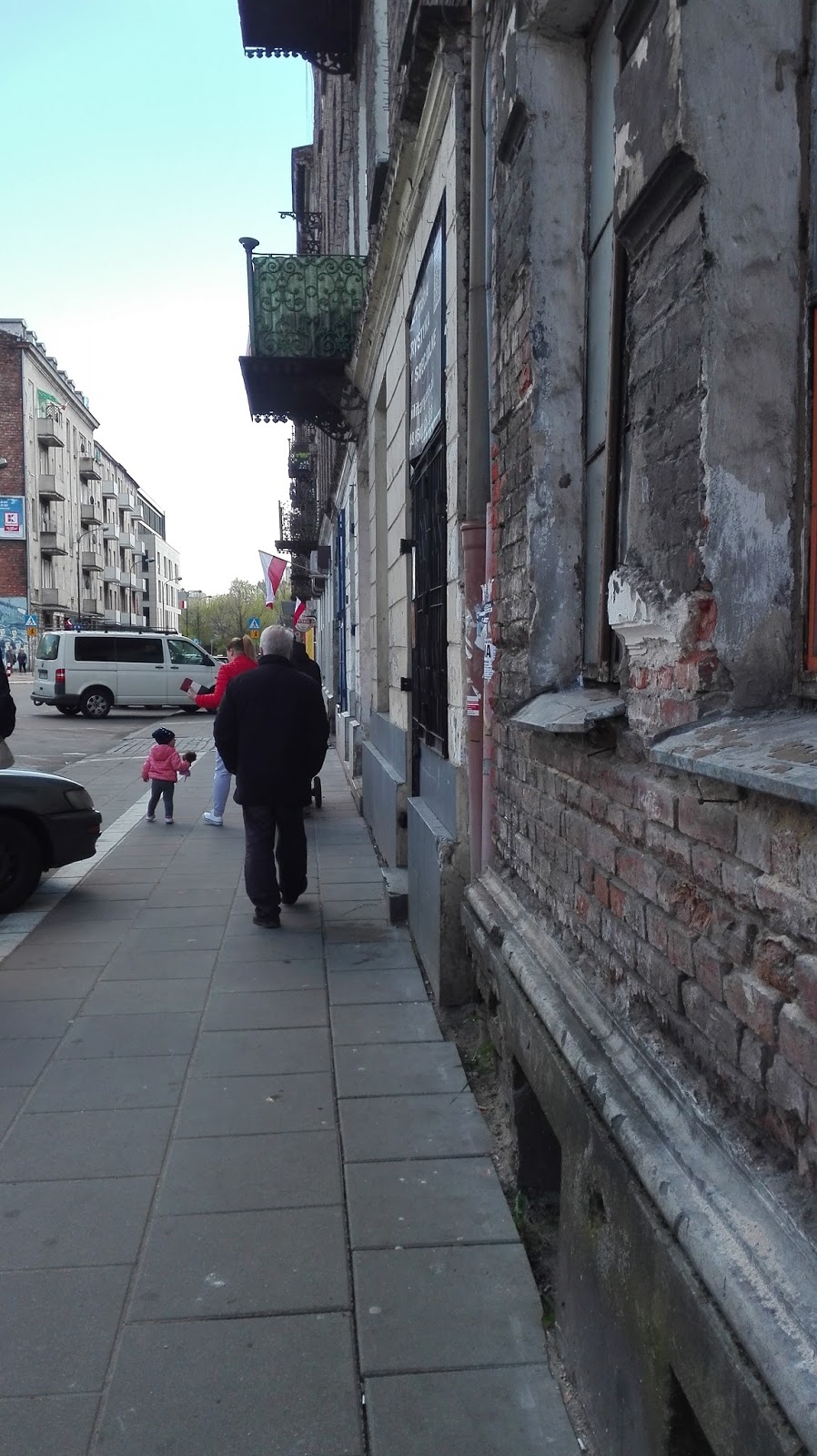
Who was he? He told us his story. A part of his story. What brought him to the city. Obviously a man, another ‘Sir Elf’ would have inducted him too in the underground soul of Warsaw.
He came out of the blue and discreetly disappeared leaving behind him three enchanted devotees of Praga’s pulse…
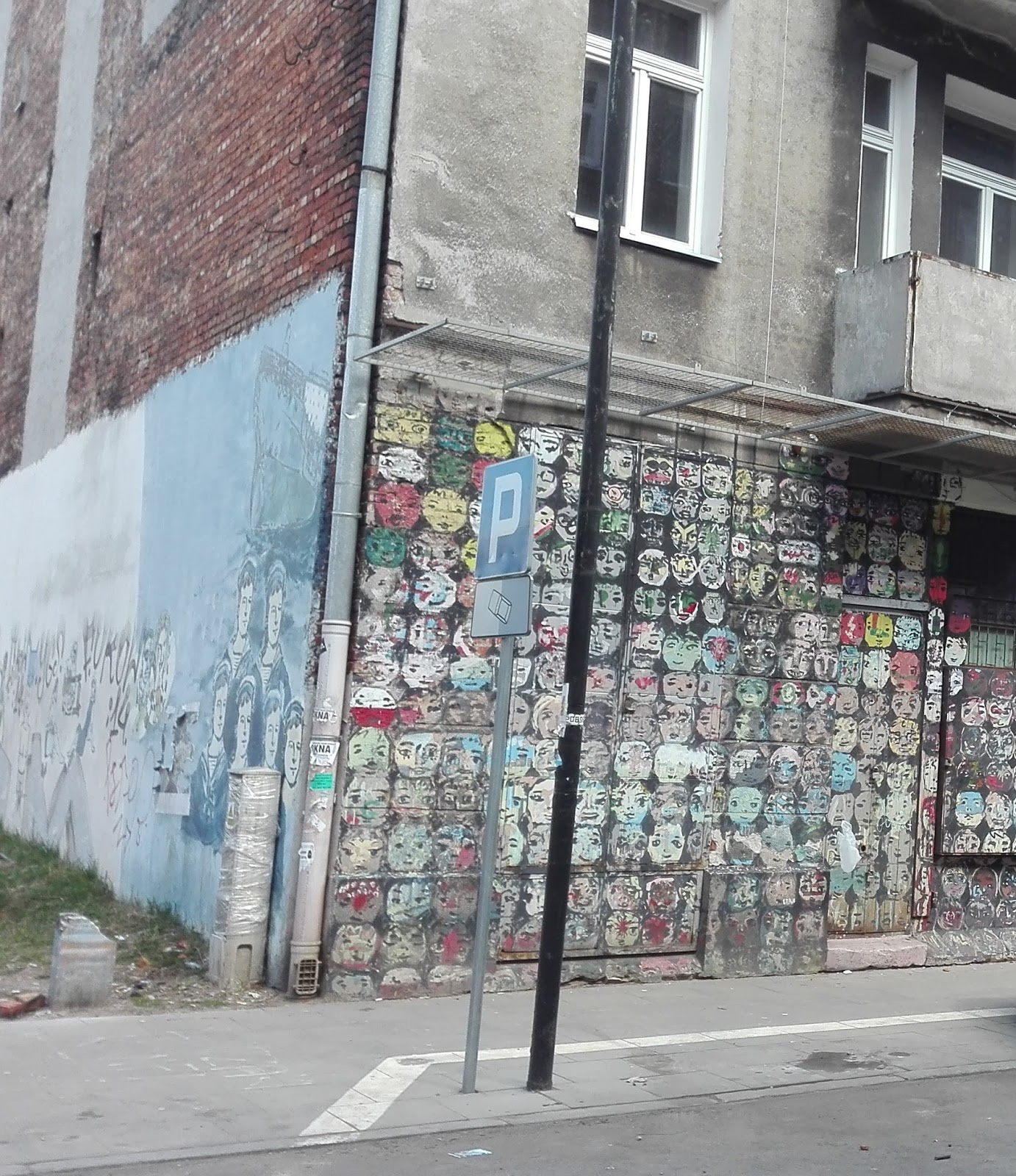
Some Varsovians still think that a night out in Praga is a bit too edgy for comfort, remembering the days when the neighbourhood’s soaring crime rate earned it the nickname «the Bermuda Triangle». For decades, it was home to the poorest of Warsaw’s poor, and the derelict streets were ruled by the criminal underworld.
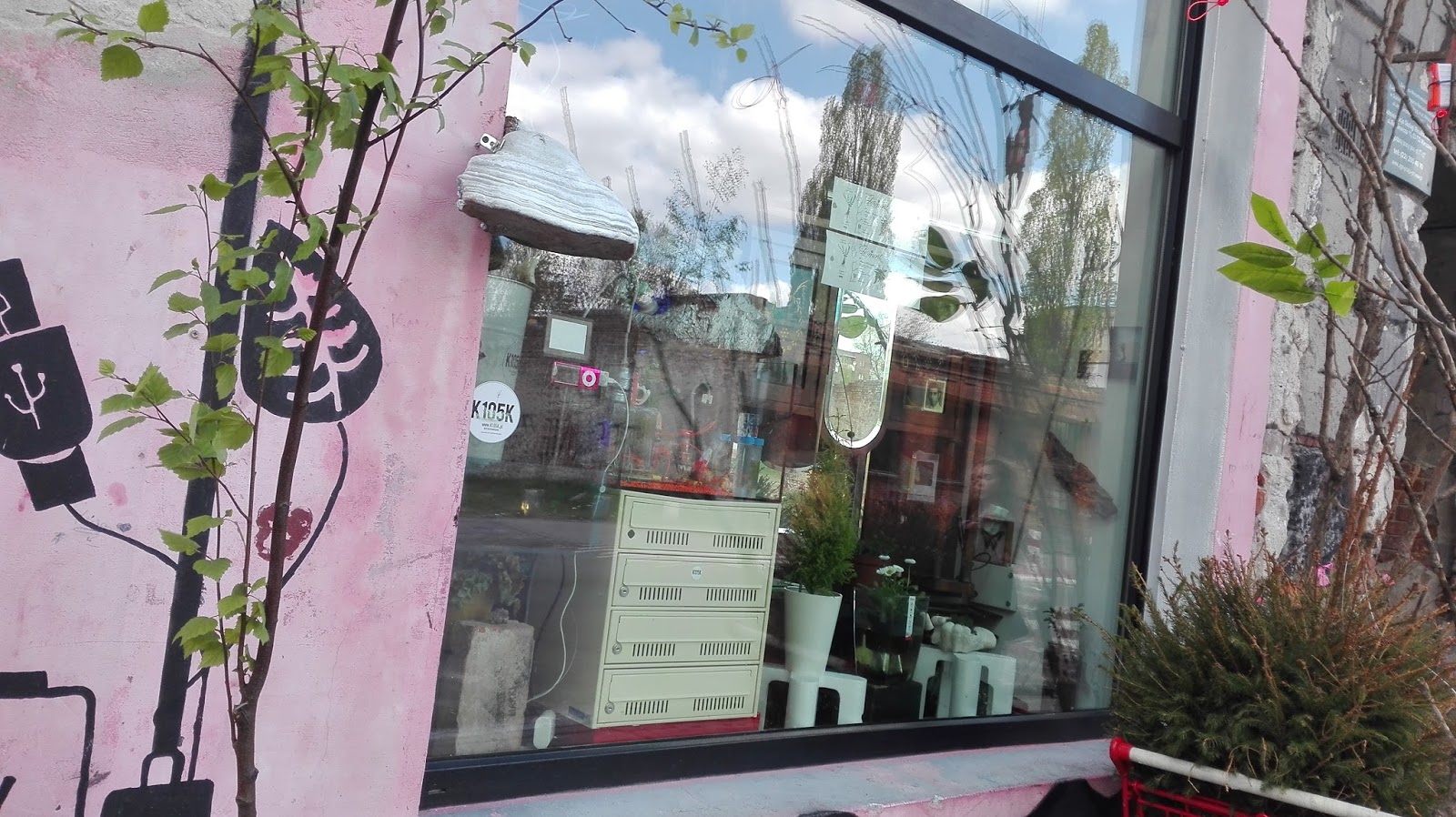
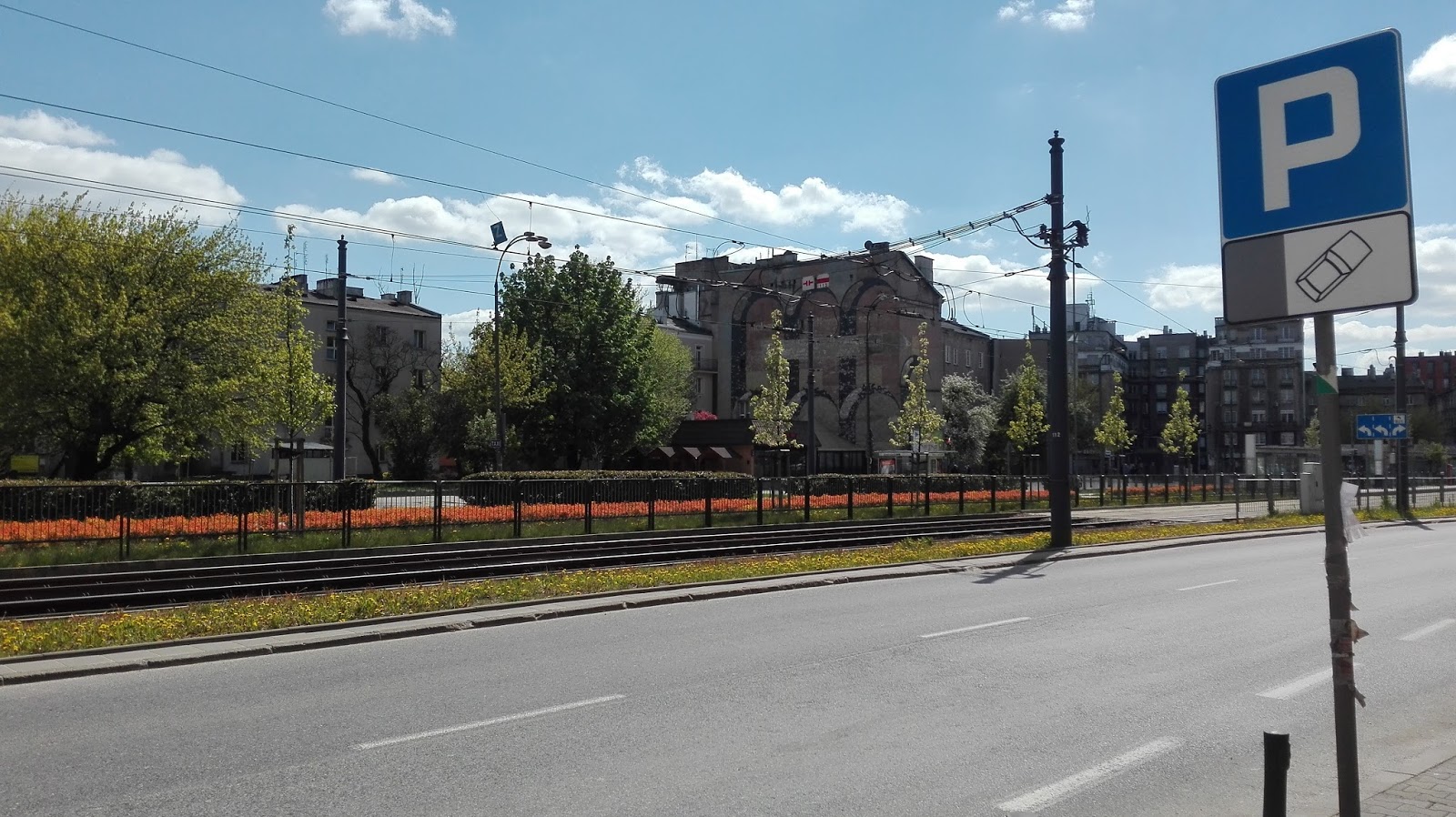
But in recent years, those who have ventured across the VistulaRiver have found that Praga is blossoming into one of new Europe’s creative capitals. Today, renovated pre-war factories and warehouses are the favourite haunts of the artistic, as bars, clubs, galleries and restaurants have transformed the historic back alleys.
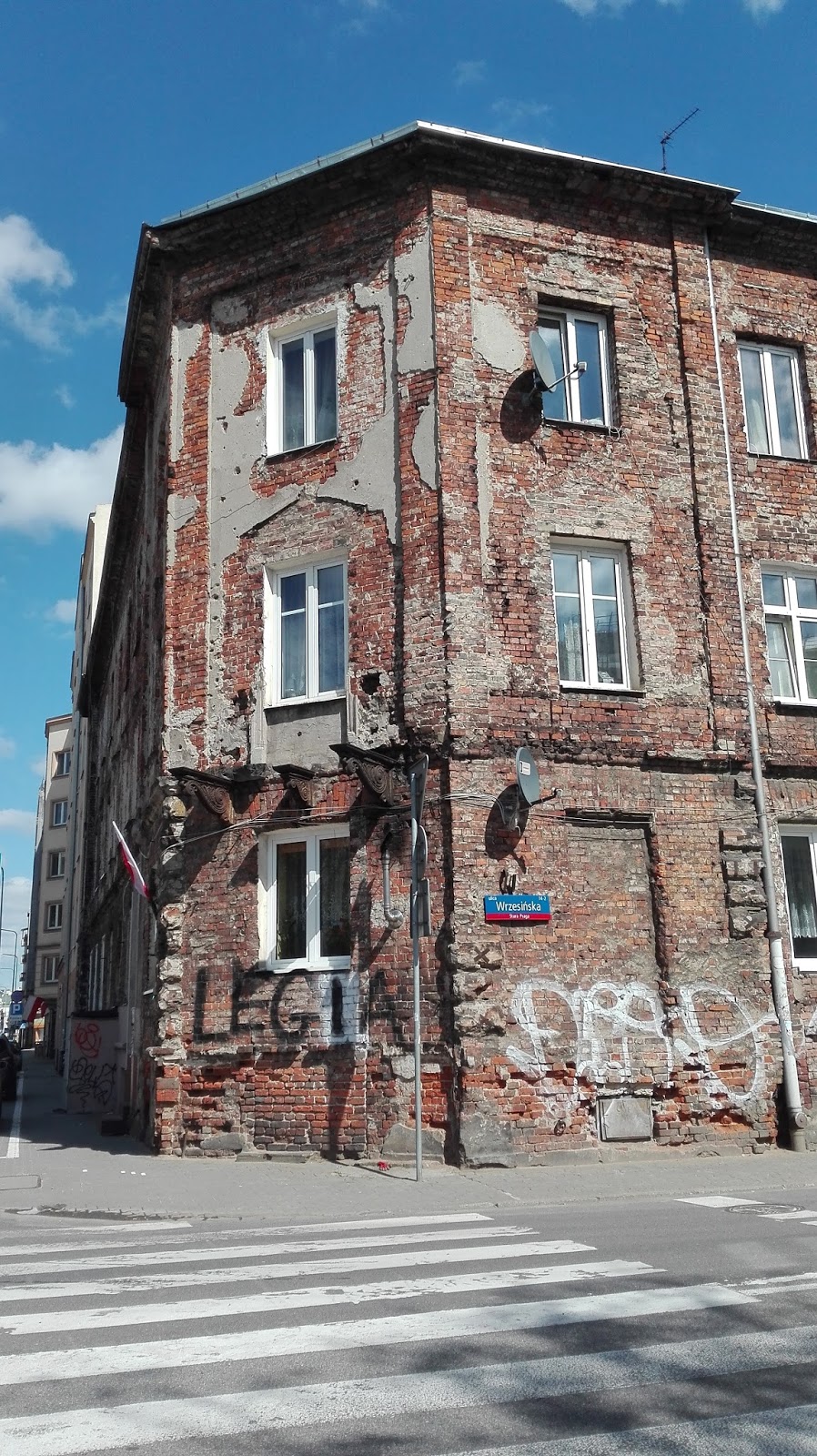
Do you believe in magic?
Not sure…no room for such an anachronism in the western culture…
Yet, there are some moments of magic and then reality approaches the dream…
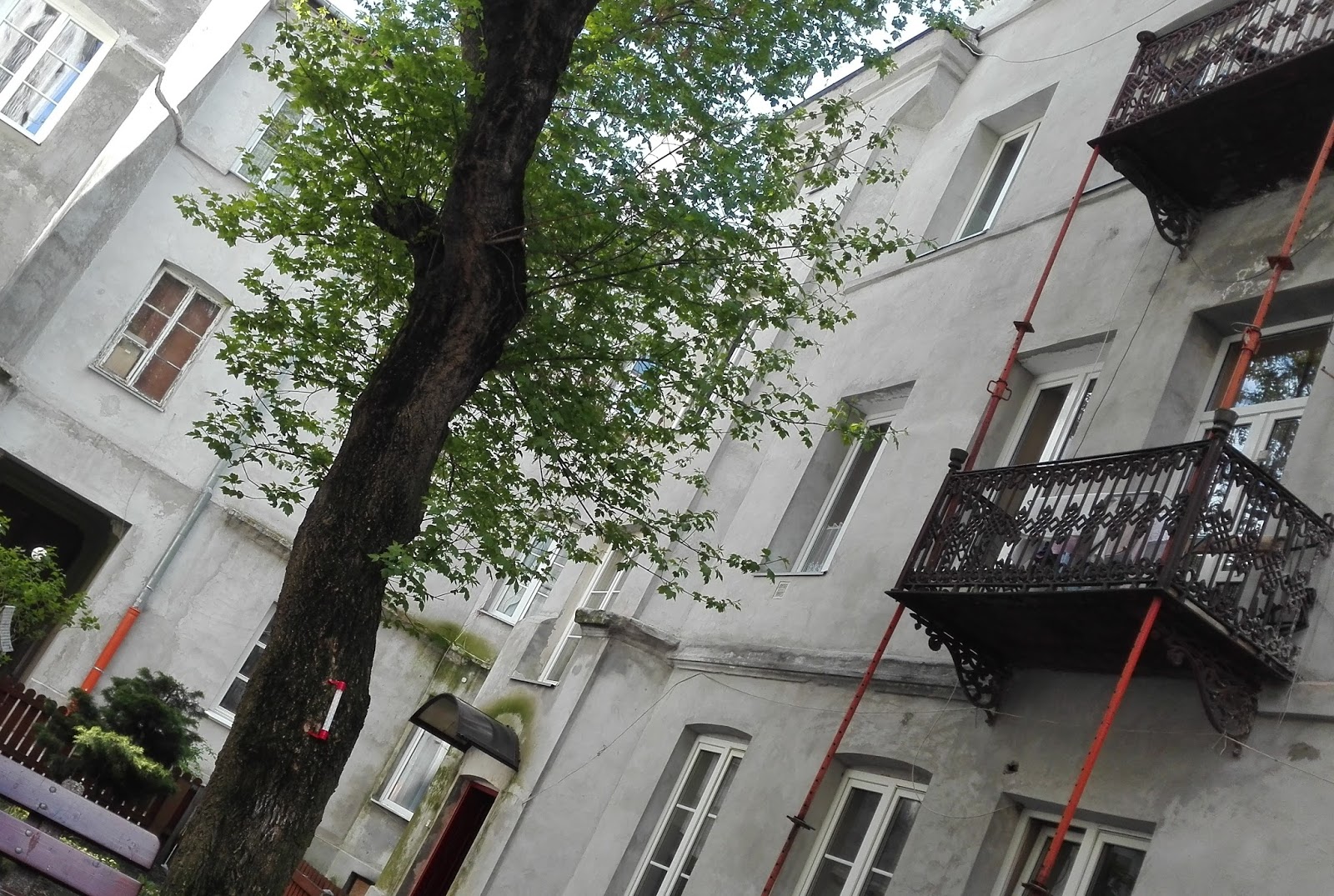
 ninetasland.com