Croatia is one of the wealthiest former Yugoslavia countries. However, its economy is still far from the good. It suffered a slowdown in the economy in 2008 and it is still recovering. Its main problem is still unemployment, but it also faces issues regarding uneven regional development and lack of investments
The average salary in Zagreb like anywhere in the world depends on the sector person works in. Certain occupations tend to have higher wages such as IT sector and like.
For instance, the average salary for waiter or supermarket worker is around 400 euros, taxi driver 600 euros and school teacher around 700 euros. On the other hand, pharmacists earn around 1300 euros and doctors up to 3500 euros. The average net salary in Zagreb is around 850 euros.
Croatia’s economy in 2016 recorded some developments, especially in the area of tourism and private consumption. After years of poor performance, Croatia’s economy blossomed with a wage growth and falling unemployment rate. Croatia’s economy still struggles with political uncertainty and high indebtedness.
Corruption continues to endanger much-needed economic reforms. Tourism and shipbuilding are major industries. Croatia does not have large quantities of mineral resources, but it has its own natural energy resources including oil and gas. It also uses renewable energy sources, such as the wind, hydro energy, and solar energy.
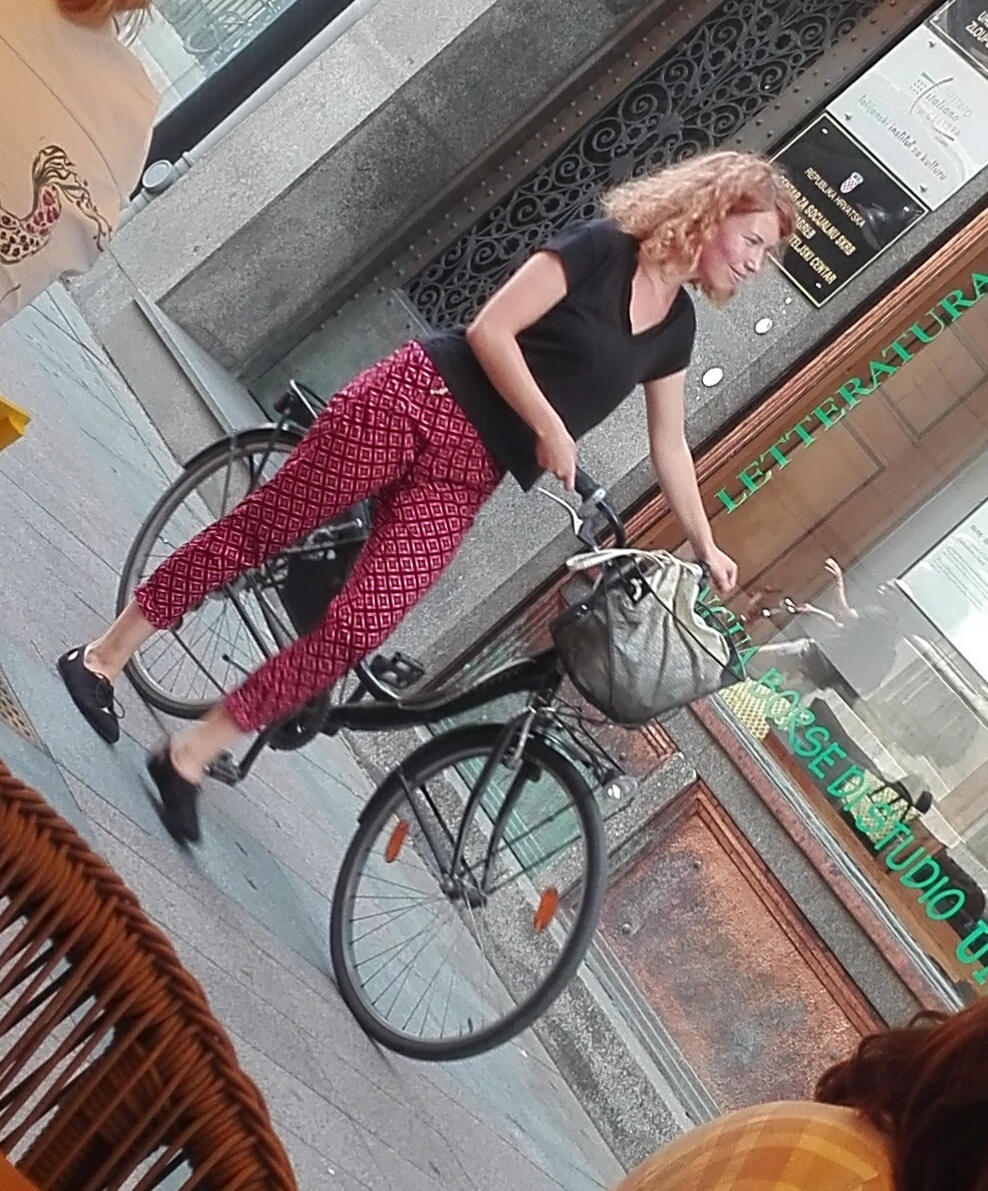
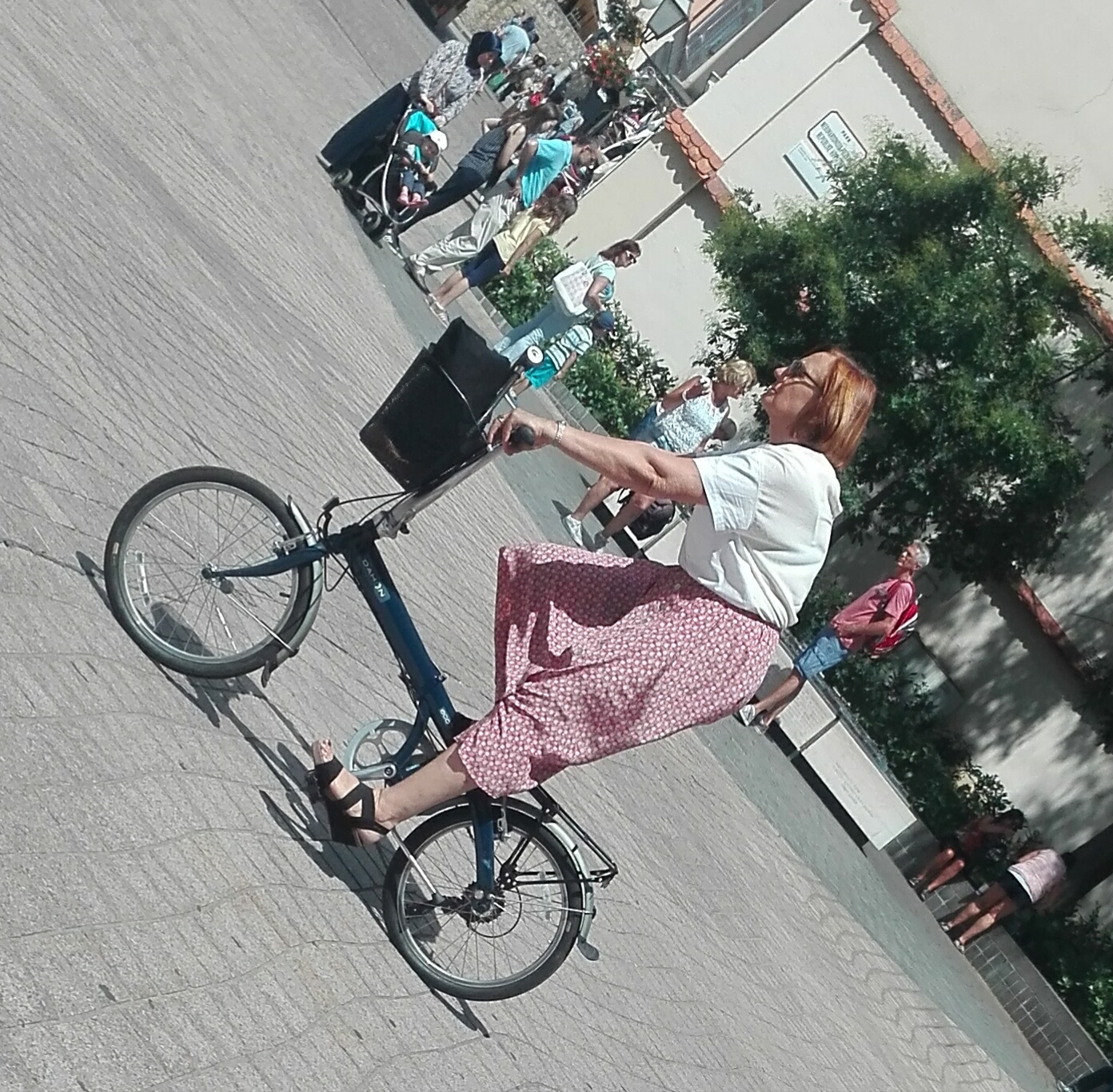
And now that i have the data..What?? when everyone knows that ‘style has nothing to do with money‘ (and this doesn’t make me less..Green!!)
I quit. I have to admit that some things have to be taken as…granted (even though something inside me still keeps searching for causalities)


























 ninetasland.com